
 English
 Polski
 Deutsch
 Nederlands
 Svenska
 Norsk
 Dansk
 Français
 Italiano
 Español
 Português
 Slovenčina
 Suomi
 Gaeilge
Hokkaido or Butternut Squash Choose the Right One for Light Gnocchi Not Chewy
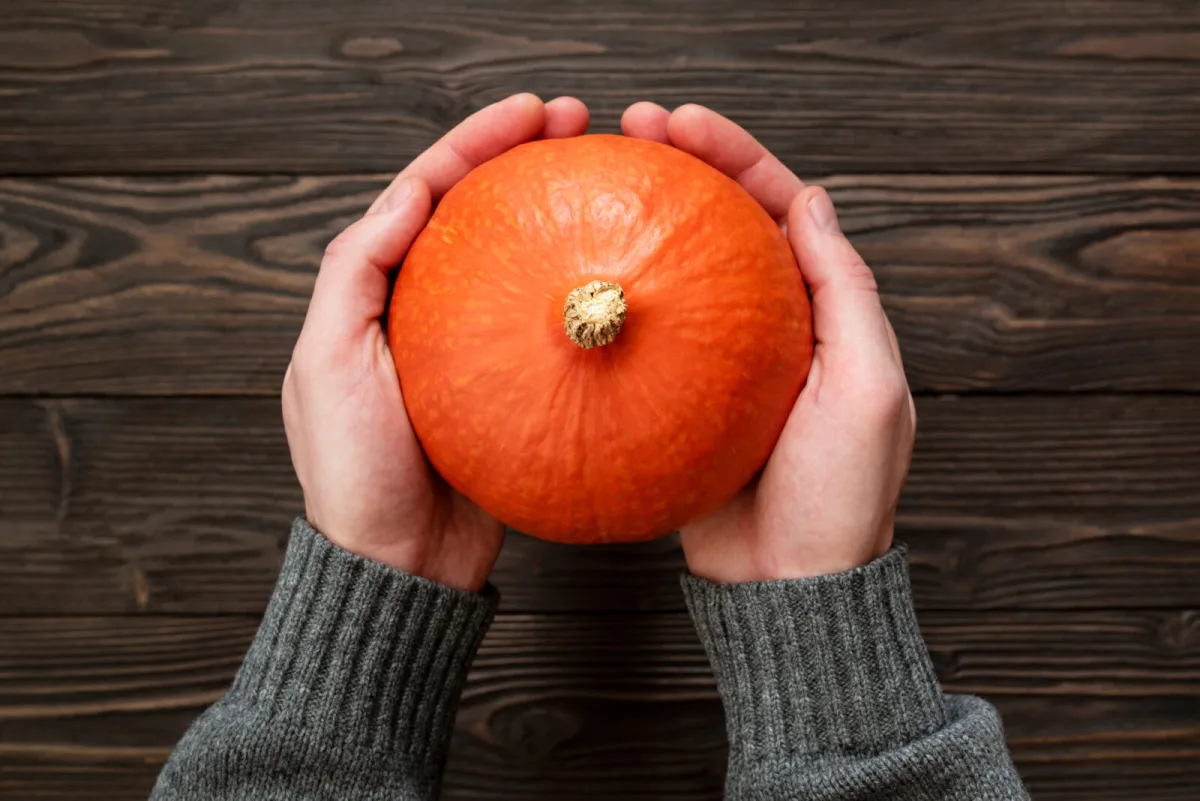
Hokkaido squash is one of the most popular autumn ingredients mainly because it doesn’t create unnecessary work. After roasting or boiling, the skin softens so much that you don’t need to peel it, which saves time in everyday weekday cooking. It has a pleasantly delicate, lightly nutty flavour and works both in simple dishes and in recipes where it’s meant to take centre stage.
Precisely because it’s so practical, it’s often used for soups, curries, roasted wedges for bread, focaccia, and homemade gnocchi. Even so, it isn’t always the best choice. In some recipes Hokkaido comes out on top, while in others butternut squash does. The difference is mainly in water content, the final texture, and whether you’re aiming for a firmer or a creamier result.
Why Hokkaido is so versatile in the kitchen
Hokkaido’s main advantage comes down to two qualities. It doesn’t need peeling, and it also tends to be less watery than butternut squash. Thanks to that, it holds its shape better and has less impact on the thickness of doughs, fillings, or sauces. That matters most where you don’t want the dish to become soggy or fall apart.
Its flavour isn’t overly assertive, so it pairs well with spices, herbs, and more tangy ingredients. It fits into silky purées as well as dishes where you want the individual chunks of squash to stay distinct. That balance is what makes it such a reliable staple for home cooking.
How to cut and prep squash properly
To process Hokkaido squash, all you need is a sharp, sturdy knife and a spoon. The most practical way is to cut it lengthwise, scoop out the seeds and stringy centre, then chop it into evenly sized pieces. Cubes or wedges about 2 to 3 centimetres are ideal, because they cook evenly. If the pieces vary in size, some will turn to mush while others stay firmer.
There’s no need to throw the seeds away. Once cleaned and roasted, they make a crunchy topping for soup, baked breads, or curry. With Hokkaido you leave the skin on, while with butternut or muscat squash it’s usually better to remove it. It’s easiest to do after cutting the squash into smaller pieces.
Where Hokkaido really shines
Soups with deep, full flavour
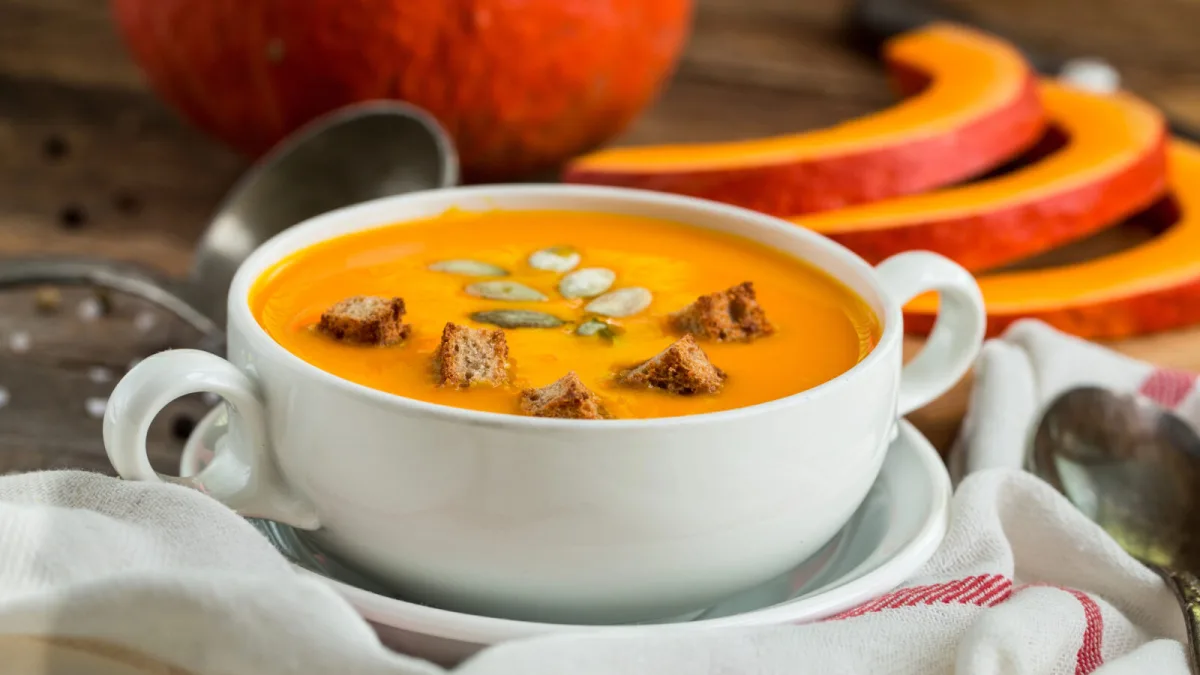
Pumpkin soup is a classic and the easiest place to start. Hokkaido gives it a pleasant thickness and satisfying body even without long cooking. It stands up well to bolder flavourings such as lime, plant-based cream, or smoky notes. That’s exactly why it works in both mild and more spiced versions.
In soup, you can replace Hokkaido with butternut squash in the same amount without any trouble. The difference will be mainly in flavour. Hokkaido tastes a bit more earthy, while butternut is usually sweeter and more velvety.
Gnocchi with a better texture
It’s in homemade pumpkin gnocchi that Hokkaido often has the edge. It contains less water, so the dough isn’t as sticky and you don’t need to add as much flour. That’s crucial, because too much flour makes the gnocchi heavier and denser. If you roast the squash properly beforehand or let excess moisture steam off, you’ll get a fine dough that’s easy to handle and stays light after cooking.
Sage, butter, or a slightly tangy addition that balances the squash’s sweetness all pair beautifully with gnocchi prepared this way. The goal is a soft, fluffy dish, not a chewy mass.
Roasted slices for bruschetta and focaccia
On baked bread, Hokkaido offers not only great flavour but also a beautiful look. When sliced into thinner crescents, it opens up nicely as it roasts and looks especially striking on bruschetta or focaccia. On bread it really stands out with fresh herbs or a sweet-and-sour accent.
On focaccia it proves itself by lightly caramelising on the surface while the dough underneath stays tender. It’s a good choice for feeding a crowd, because you can bake a whole tray at once and it tastes great warm as well as after it cools.
When it’s better to reach for butternut squash
Hokkaido isn’t the clear winner in every recipe. If you’re making ravioli or other filled pasta, butternut squash creates a finer, creamier filling. Hokkaido is firmer and more compact, so it holds its shape better. It comes down to whether you want the filling silky-smooth or more cohesive.
In curry, both options work very well. Hokkaido is more convenient thanks to the edible skin, while butternut can deliver a slightly smoother, sweeter result. In soups and baked recipes, both are usable; each simply brings a slightly different flavour profile.
Cake and jam as a sweeter route
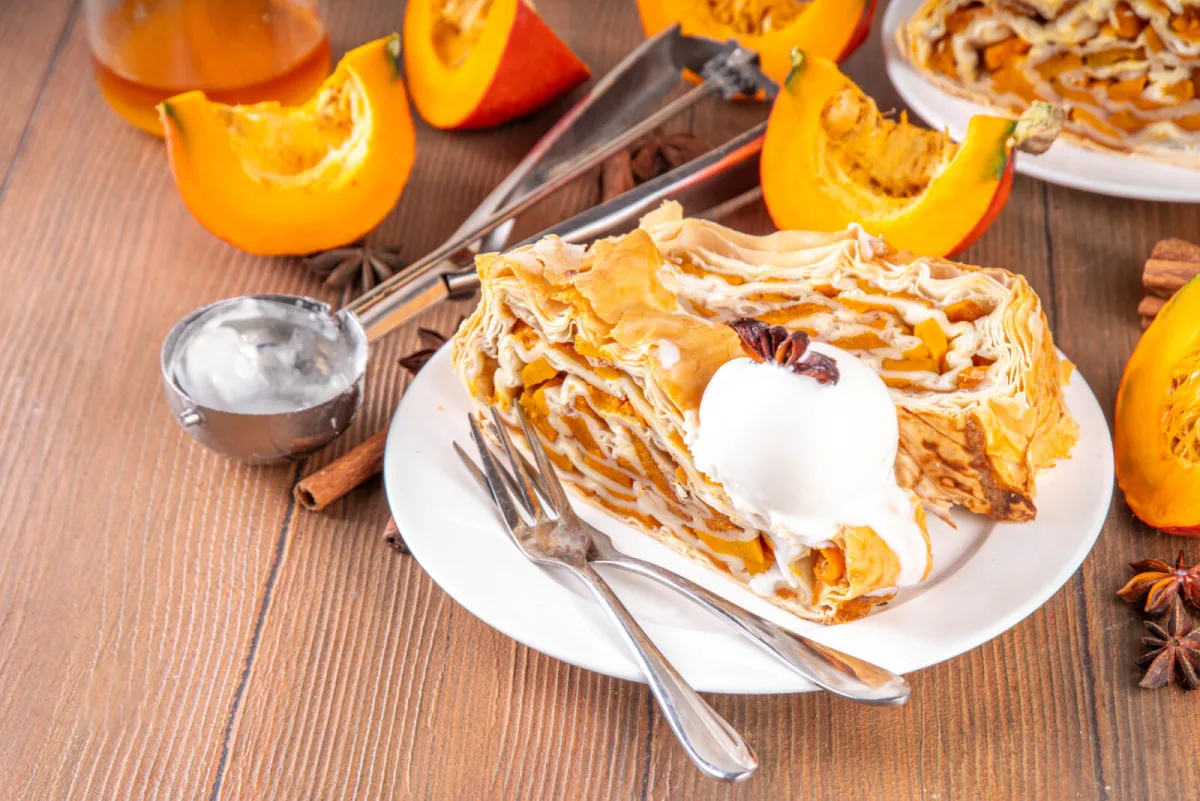
Hokkaido doesn’t get lost in sweet baking either. Grated squash can be used to make a moist cake that pairs beautifully with mascarpone cream, sour cream, and a chocolate glaze. This kind of bake is soft and juicy and works well with coffee or tea. The squash helps keep the crumb tender without overpowering the other flavours.
Another interesting option is pumpkin jam. Hokkaido is simmered, blended, and combined with lemon juice and sugar. The flavour is easy to vary, for example by using different citrus. It’s a great way to use squash for something other than lunch or dinner.
What to watch out for when storing and cooking
A whole, uncut squash will keep for quite a long time in a cooler, dry place. But once you cut it open, it needs to go into the fridge and be used within a few days. Cooked squash or purée can be frozen without any problem in smaller portions and used gradually as needed.
A common mistake is choosing the wrong variety for a particular recipe. The second issue is uneven cutting. For gnocchi, overly wet squash and unnecessary extra flour are the problem; for roasting, slices that are too thick won’t cook through in time. When you keep an eye on piece size, pick the right variety, and manage moisture, Hokkaido can deliver maximum flavour without fussy prep.
Hokkaido is ideal where you appreciate speed, a firmer texture, and edible skin. Butternut squash wins when you want the result to be as delicate and creamy as possible.
Source: Jidlo.cz, Fly me to the Vegan Buffet, Hey Nutrition Lady, Pestrazahrada.cz

A nurse by profession, she is passionate about healthy living, nature, and everything that benefits both people and the world around them. In her free time, she enjoys gardening, cooking, sewing, and caring for her family. In her articles, she loves combining professional expertise with practical experience from the garden and everyday life.
Related articles

The Most Unusual Garden Visitor Isn’t Always the Biggest One
A garden can become a surprising meeting place between people and wildlife. Sometimes the most unusual visitor is a quiet, elusive animal you may not notice for years.

You Can’t Do Everything on Your Own Garden Four Situations Where Simple Neglect Becomes a Costly Mistake
A garden may feel like a private world, but it still comes with legal responsibilities. Neglected weeds, burning green waste, invasive plants, or unmanaged boundary trees can all lead to complaints and hefty fines.
Ten smart companion plants for peppers that naturally boost healthy growth and higher yields
Sweet or hot peppers thrive with the right neighbours. Companion planting can reduce pest pressure, support healthier growth, and often deliver a heavier harvest—without relying on unnecessary chemicals.
Comments (0)
Be the first to comment.