
 English
  Polski
  Deutsch
  Nederlands
  Svenska
  Norsk
Norsk  Dansk
Dansk  Français
  Italiano
  Español
  Português
  Slovenčina
  Suomi
Suomi  Gaeilge
 Gardeners know a trick that lets you harvest peas right into autumn
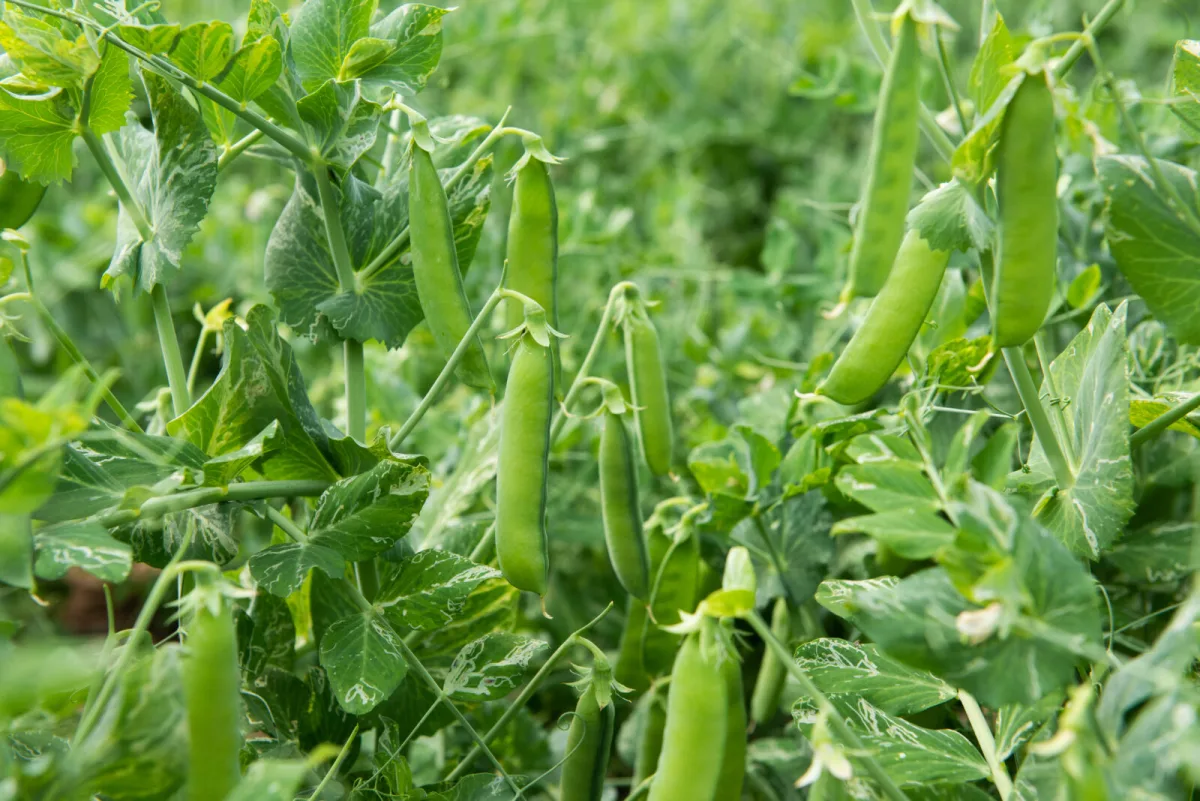
Peas are among the most rewarding vegetables because they’re easy to grow in a garden bed or a window box, and even beginners or children can manage them. They’re best straight off the plant, when the peas are crisp, juicy and noticeably sweet. Compared with shop-bought peas, a home harvest tends to taste better, and you can be sure you’re eating them at their peak. If you’ve already picked one batch this year, there’s nothing to stop you sowing again and extending the season right through late summer and into early autumn.
Why peas are considered a superfood
Peas aren’t just a side dish, they’re also nutritionally valuable. They contain vitamin C, B vitamins, provitamin A, beta-carotene and folate. Minerals include magnesium, potassium, iron, calcium and phosphorus. They’re also high in fibre, which supports digestion, helps the gut work better and may also help maintain a sensible cholesterol level. That combination of fibre and overall nutrition is one reason peas are often mentioned in connection with supporting cardiovascular health.
How to extend your harvest from spring right into autumn
Peas aren’t suited to long storage, they’re most enjoyable when fresh. That’s why it makes sense to plan sowings so pods ripen in succession. You can do this either by choosing several varieties with different maturity times, or by making repeat sowings roughly 10 to 14 days apart. This spreads the harvest over a longer period and avoids everything ripening at once. It’s practical to time your final sowing around 6 to 8 weeks before the first autumn frosts, so plants have enough time to form pods.
What types of peas there are and how to use them
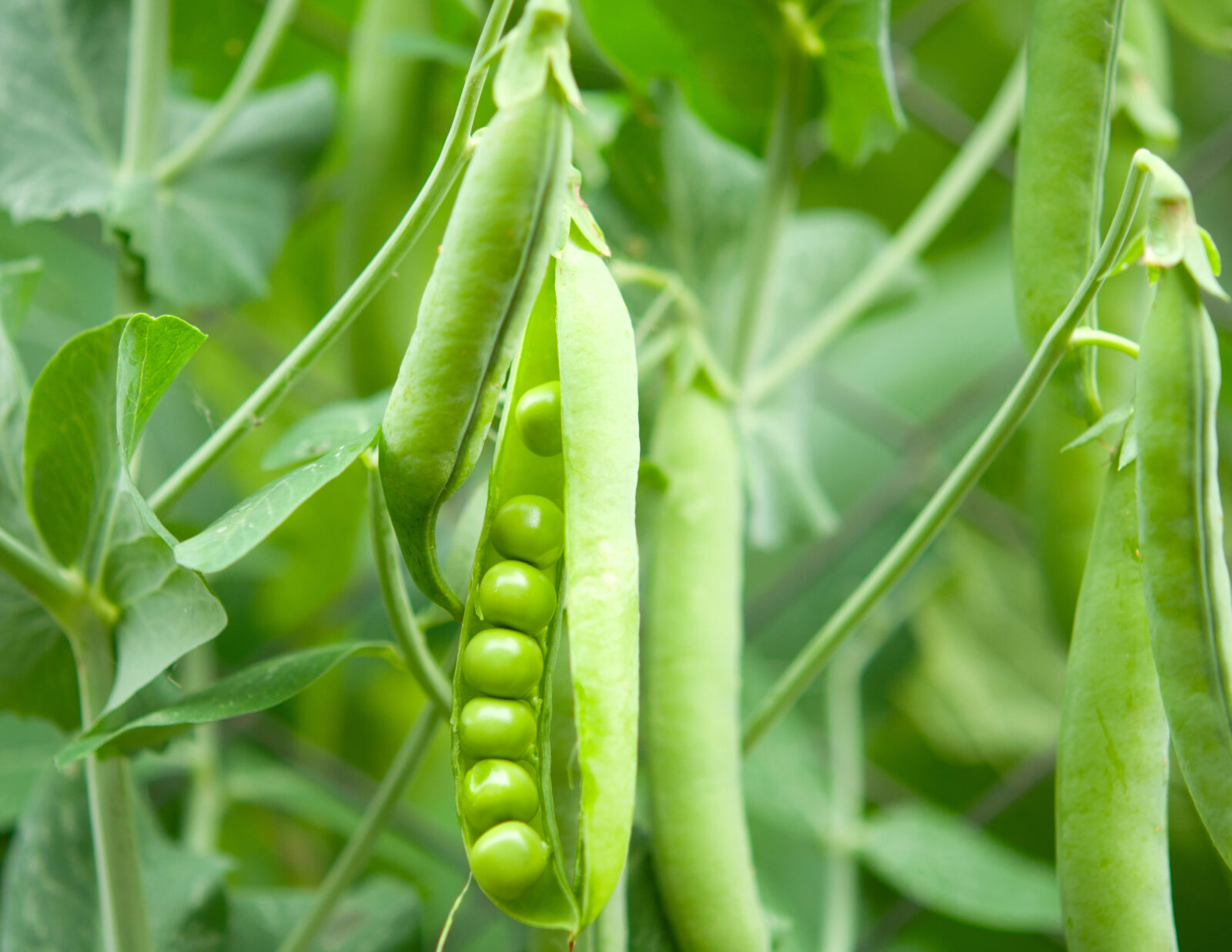
In practice you’ll come across several groups. Garden peas (sweet peas) usually have pods that aren’t eaten, and they’re harvested mainly for the peas. Shelling peas are best picked while the pods are still young and the peas are tender and sweet; they’re often eaten raw or only briefly cooked. Mangetout (snow peas) are bred for eating the whole pod, harvested when the peas are still tiny, and they’re excellent in salads or for a quick stir-fry or gentle steaming.
Correct sowing and basic crop care
Peas are usually sown directly where they’ll grow, into free-draining soil in a sunny spot. The soil benefits from compost or well-rotted manure worked in beforehand. You can speed things up by soaking the seeds overnight in water so they swell and germinate faster. Some growers also briefly soak them in chamomile tea or a garlic infusion as a simple preventative against soil issues, but in general it’s best not to soak for longer than 24 hours.
Sow in rows about 15 to 30 cm apart, with seeds placed roughly 5 to 7 cm deep and around 5 cm apart. It’s a good idea to protect fresh sowings from birds, for example with netting. A practical trick is to start them in paper tubes filled with compost, then plant them out tube and all, which reduces root disturbance.
Support, watering and feeding
Bush varieties stay low, while climbing peas can grow to over 1.5 m, so it pays to give them support. Grown on wire, netting or mesh, plants take up less space and harvesting is more convenient. Regular watering is essential, especially during germination and for young plants, which mustn’t dry out. In terms of nutrients, peas respond well to phosphorus and potassium. They usually don’t need much nitrogen because their roots fix nitrogen with the help of nodulating bacteria, and too much nitrogen can lead to lots of leaf growth rather than pods.
Peas in a window box on the balcony
Growing in containers is surprisingly straightforward. A window box will usually fit two rows, and spacing between rows and between seeds can be around 5 cm. Regular watering is important, as is support so the shoots have something to grab onto. If you sow in stages, you can keep peas coming on a balcony for a longer part of the season.
How to harvest for the sweetest peas
It’s best to pick pods in the morning once the dew has dried, when the peas tend to be at their crispest. Harvest regularly, because frequent picking encourages more pods to set. When picking, it’s gentler to use both hands: hold the plant with one and snap the pod off with the other, so you don’t tear the shoots. You can recognise overmature pods by their duller colour and firmness. If part of the crop gets too mature, you can let the peas dry down and store them for winter cooking, for example in soups.
What to plant next to peas and what to avoid
Peas usually do well alongside cucumbers, carrots, radishes, kohlrabi or lettuce. Herbs such as chives or mint can also be suitable. If you add summer savory or nasturtiums to the bed, they may help reduce certain pests. On the other hand, it’s not worth planting peas next to other legumes such as beans, because they have similar needs and often share pests. Pairing with onions, garlic, tomatoes or potatoes is also usually a poor choice.
Crop rotation and using peas to improve the soil
It’s best not to sow peas repeatedly in the same spot; ideally, return them only about once every four years. Thanks to their root nodules, peas enrich the soil with nitrogen, so they also make an excellent preceding crop. After harvesting, you can leave the plants on the bed and dig them in before winter as simple green manure. Empty pods can also be used as mulch to help retain moisture and reduce weed growth.
Source: RHS, Almanac, Pestrazahrada.cz

A lover of nature, gardens, and everything that moves, blooms, or grows. He literally grows everything, from herbs to rare species, and he enjoys caring for animals just as much. In his work, he connects modern technology with tried-and-tested grandmotherly methods and is happy when both paths lead to the same goal.
Related articles
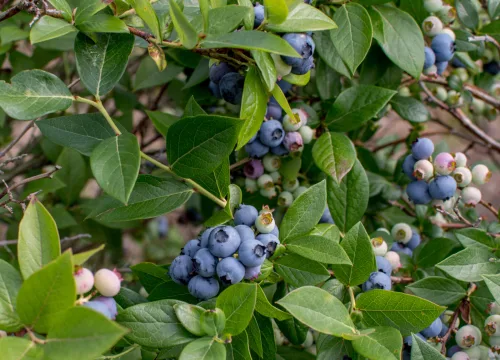
After harvesting blueberries do these steps and you will pick twice as much next year
Once the last berries are picked, your blueberry bush is already setting the stage for next season. A little pruning, the right feeding, steady moisture and fresh mulch can mean far more flowers and fruit next year.
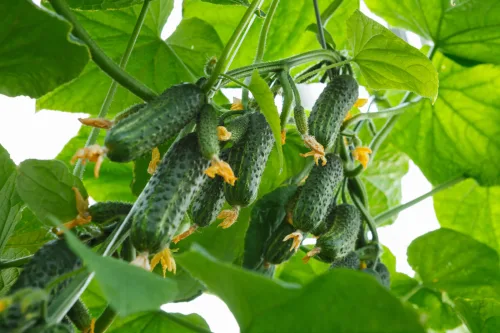
August decides whether cucumbers keep cropping or stay strong into October
Cucumbers often start to tire late in the season, with weaker nutrient uptake and more pressure from pests and disease. A simple root drench made with diluted vinegar is one option some gardeners use in August to help keep plants productive for longer.
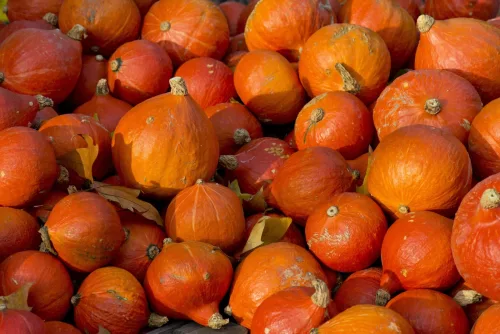
Pinch Out the Pumpkin Tip and the Plant Will Put Its Energy into Ripening the Fruit
Hokkaido squash is a reliable winter squash with a rich, nutty flavour and straightforward cultivation. Learn when to sow and plant it, how to pinch it for better ripening, and how to harvest and store it for months.
Comments (0)
Be the first to comment.