
 English
  Polski
  Deutsch
  Nederlands
  Svenska
  Norsk
Norsk  Dansk
Dansk  Français
  Italiano
  Español
  Português
  Slovenčina
  Suomi
Suomi  Gaeilge
 Want currants loaded with fruit We’ll show you when and what to feed them
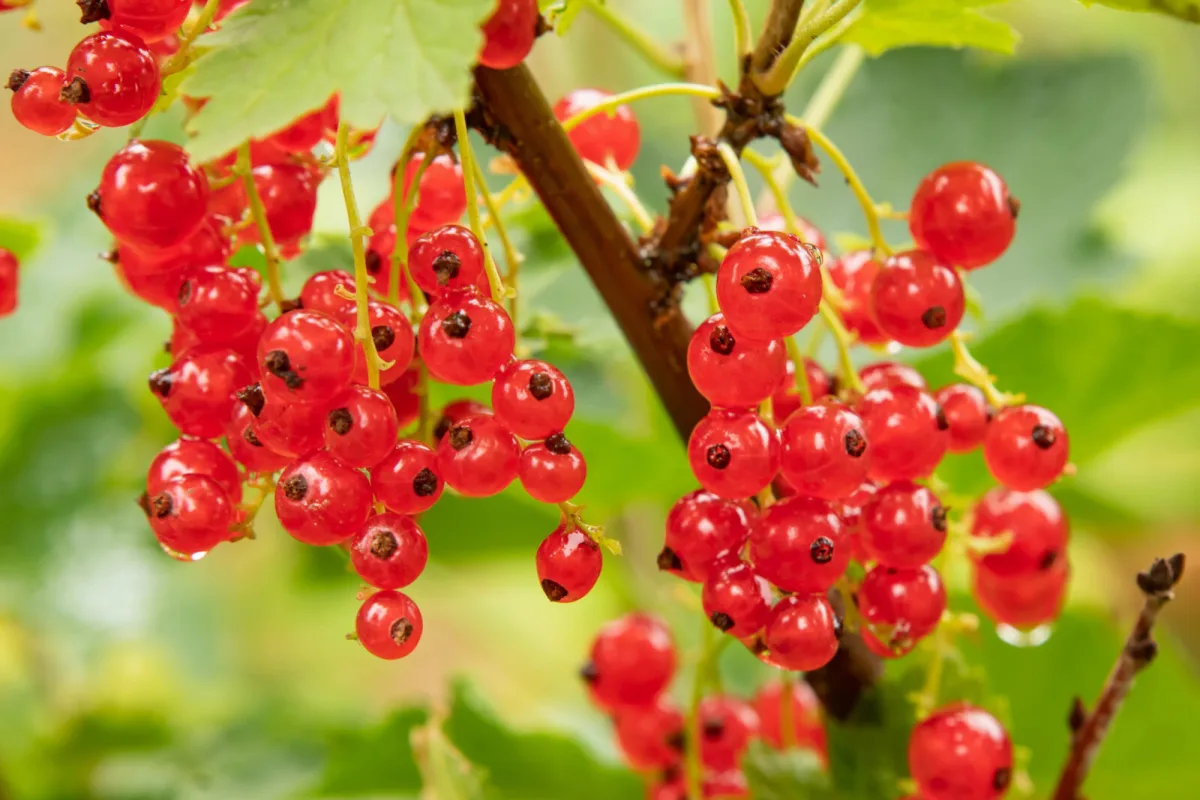
The most important nutrients for currants and what they do
Currants need a balanced supply of nitrogen, phosphorus and potassium. Nitrogen supports the growth of leaves and new shoots, so it matters most in spring when the bush kicks off the season. Phosphorus helps root formation and supports flowering, increasing the chance of a heavy set. Potassium is crucial for fruit quality, ripening and the plant’s resilience to drought stress and disease. Magnesium is also often overlooked; without it, less chlorophyll forms and the leaves “turn autumn” early and may drop, reducing yields in the current year as well as bud formation for the next.The most common mistake is too much nitrogen at the expense of potassium and phosphorus. The bush then grows vigorously but flowers and fruits less, and it’s also more prone to fungal diseases.
Organic matter as the foundation, compost and humus
The most reliable route to long-term productivity in currants is organic feeding. Compost releases nutrients gradually while improving soil structure, water-holding capacity and the activity of soil microorganisms. For one mature bush, a typical amount is about 2 kg of well-rotted compost. It’s important to lightly mix the compost into the soil around the bush, not simply heap a thick layer right up against the stems. Currant roots are shallow and spread outwards, so it’s more effective to feed in a ring under the canopy, where the bush takes up most of its water and nutrients.When to fertilise based on soil type and weather
It pays to tailor the timing to whether your soil is heavier or lighter. In heavier soils, which hold nutrients better, organic fertilisers are often applied in autumn so they can break down over winter and be available in spring. On light, sandier soils, nutrients leach more quickly, so it’s more practical to feed in spring, or split the dose into two smaller applications. Always watch moisture levels too, because without enough water the bush can’t use the nutrients, and fertilising may seem paradoxically ineffective.Spring start and supporting growth without overfeeding
In spring, currants appreciate a modest boost of nitrogen because they are building leaf area, the “factory” that will make sugars for the fruit. If you added compost in autumn, there’s often no need for strong mineral feeding. If growth is weak and the leaves are small and paler, you can top up with a balanced fertiliser that also includes potassium, phosphorus and magnesium. Restraint matters, because too much nitrogen leads to soft shoots and lush growth, increasing the risk of botrytis and other fungal diseases.Nutrition before flowering and during fruit set
The period just before bloom and shortly after flowering determines how many berries are retained and how large they will be. Potassium and phosphorus are especially important here. If you feel your currants set regularly but some fruit stays small, the cause is often unbalanced nutrition combined with a lack of moisture. This shows most in blackcurrants, which cope poorly with dry spells. Always pair feeding at this time with a deeper soak to the roots, ideally morning or evening, and never over the foliage.Feeding in June and July as berries swell and ripen
June and July are the months when berry size, sweetness and colour are decided. At this stage the bush no longer needs nitrogen, but above all potassium and plenty of water. Potassium sulphate works well at a modest rate of around 20 to 30 grams per bush, scattered under the canopy and lightly worked into the soil, or as a liquid feed with a higher share of potassium. From natural sources, comfrey tea is excellent; it’s rich in potassium and is diluted with water at roughly 1 to 10. By contrast, nettle tea, which is high in nitrogen, should be used no later than early June, and later it tends to do more harm than good. If leaves turn pale between the veins in June, a watering with Epsom salts can help, about one tablespoon per 10 litres of water. From mid-June, avoid nitrogen altogether, because it promotes growth instead of ripening, worsens fruit colour and attracts aphids.Summer feeding after harvest determines next year’s crop
After harvest, which for most varieties finishes in July, currants enter a quiet but crucial phase. In summer the bush sets the flower buds for next year and rebuilds reserves depleted by cropping. It’s worth giving a light feed with a balanced fertiliser biased toward potassium and phosphorus, or spreading a thin layer of compost under the canopy and topping up mulch. Keep an eye on moisture, because a dry August can rob you of a crop just as surely as spring frost on the blossoms. Shrubs that have been summer-pruned or renovated benefit from a good soak so wounds seal quickly and new shoots have time to mature before autumn. Avoid high doses of nitrogen even in summer; late, lush growth weakens the plant going into winter.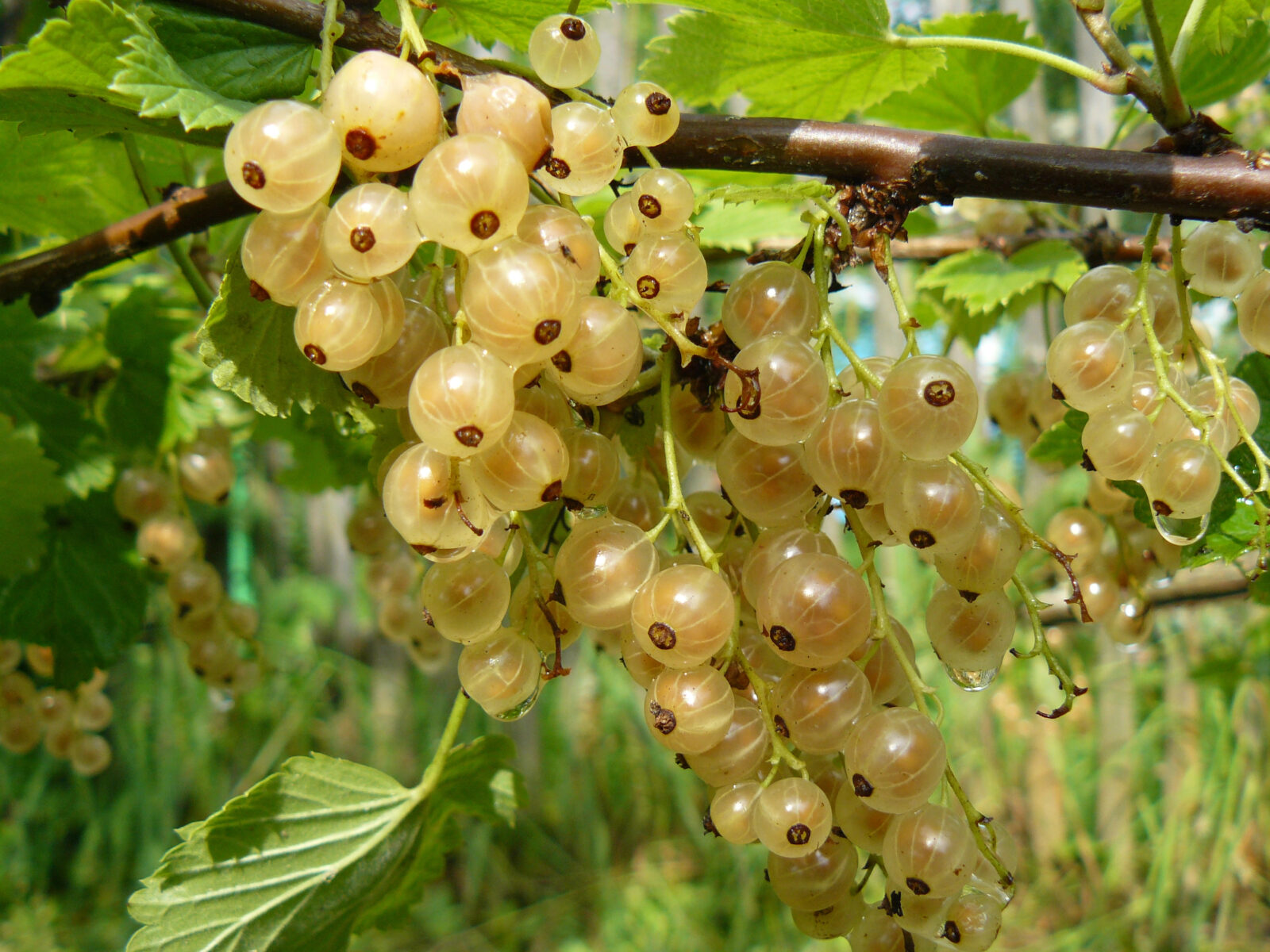
Autumn feeding for next year’s harvest
After harvest the bush doesn’t stop. Through summer and into autumn it forms buds for the next season, so it’s worth adding organic matter and supporting the ripening of the wood. An autumn application of compost is especially suitable in heavier soils. If you use mineral feeds, focus more on potassium and phosphorus and avoid high doses of nitrogen, so the bush doesn’t go into winter with overly soft, unripened shoots.Watering and feeding must work together
Even the best fertiliser fails if currants are suffering from drought. They need the most water while establishing, at flowering, during berry growth and at ripening. In hot spells, mulch helps by preventing the soil from drying out too fast, and it also gradually breaks down and adds more organic matter. If you can, use rainwater and water at the roots, because wet leaves unnecessarily increase pressure from fungal diseases.How to tell your feeding programme is right
Well-fed currants have healthy, moderately dark leaves, a reasonable amount of new shoot growth and they set flowers regularly. The berries size up evenly and the bush doesn’t look exhausted after harvest. If leaves pale or you see early “autumn” colouring, focus on magnesium and overall soil condition. If, on the other hand, the bush is too lush with long soft shoots and crops poorly, it’s time to cut back on nitrogen and strengthen potassium with phosphorus. Over the long term, the best approach is a combination of compost and sensible top-up feeding based on how the bush responds through the season. Source: Fryd App, Von PayneSource: Pestrazahrada.cz

A lover of nature, gardens, and everything that moves, blooms, or grows. He literally grows everything, from herbs to rare species, and he enjoys caring for animals just as much. In his work, he connects modern technology with tried-and-tested grandmotherly methods and is happy when both paths lead to the same goal.
Related articles
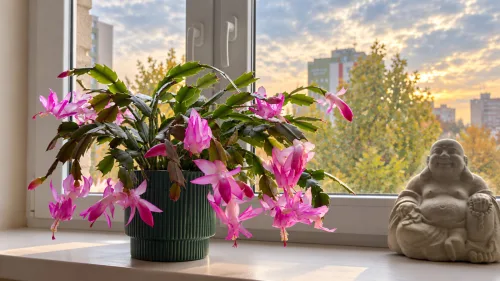
Christmas cactus will bloom again even after years if you avoid one common mistake
A Christmas cactus can look perfectly healthy yet refuse to flower for years. With the right light, temperature, watering, and a gentle boost, it can set buds again and bloom reliably.
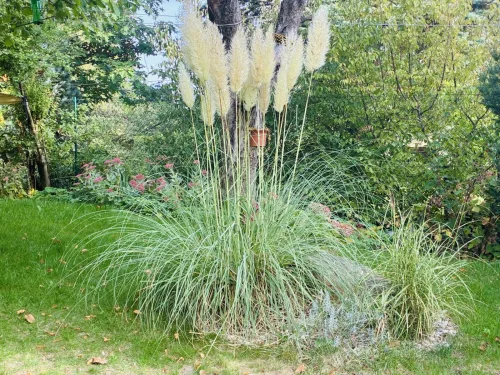
Take care with pruners on ornamental grasses Some are best cut back in autumn others in spring
Ornamental grasses bring movement and structure, but not all of them should be left standing until spring. For several warm-season and self-seeding types, an autumn cut-back keeps borders tidier and helps limit spread.
Don’t Prune Hydrangeas in October
Tidying the garden in autumn is tempting, but October pruning can cost your hydrangeas next year’s flowers. Only two light interventions make sense this time of year; everything else is best left until the right season.
Comments (0)
Be the first to comment.