
 English
  Polski
  Deutsch
  Nederlands
  Svenska
  Norsk
Norsk  Dansk
Dansk  Français
  Italiano
  Español
  Português
  Slovenčina
  Suomi
Suomi  Gaeilge
 Parsley Will Be Greener and More Resilient With a Simple Homemade Fertiliser
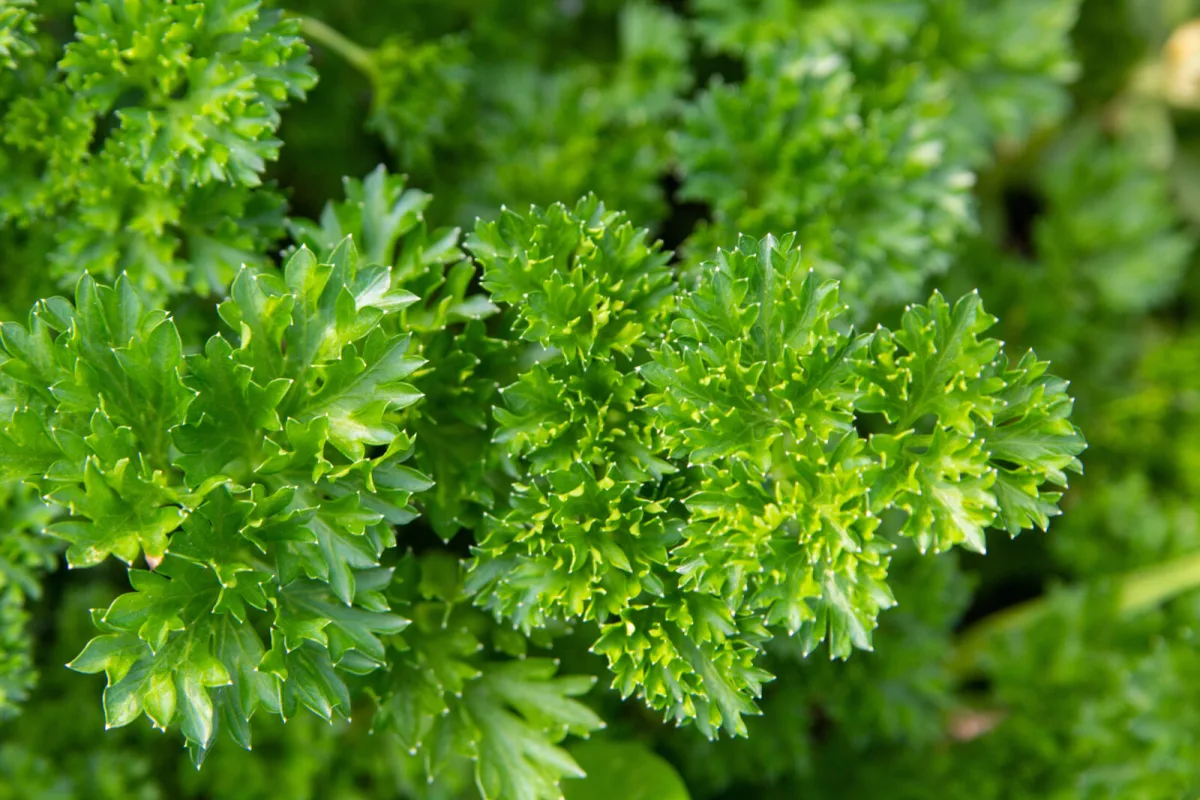
As soon as spring temperatures rise and the garden springs back into action, it’s time to start looking after herbs too. Parsley is a staple in many garden beds, but for it to thicken up nicely, keep a rich colour and grow without unnecessary stress, it needs a timely top-up of nutrients. Many people automatically reach for store-bought products, but these aren’t always the best choice. It’s not just the price, which can be surprisingly high for quality blends, but also the fact that poor dosing can burden the soil and the surrounding environment.
Yet there’s a simple way to give parsley the nutrition it needs without fuss and without extra chemicals. Something that often ends up in the kitchen bin can be surprisingly valuable in the garden: banana peels, which can be turned into an easy-to-use homemade fertiliser.
What parsley really needs for healthy growth
For parsley to develop evenly and produce strong leaves as well as firm roots, it needs the same three key nutrients as many other plants. The basics are nitrogen, phosphorus and potassium. Nitrogen supports leafy growth, phosphorus contributes to a healthy root system and overall vigour, and potassium helps with water regulation and plant resilience. When parsley lacks these elements, growth slows, the foliage tends to be weaker and the plant copes less well with weather swings.
You can find nutrient sources in many household leftovers, but the advantage of banana peel is that it combines several important elements at once. Alongside the N P K trio, it can also contain calcium, which supports healthy plant tissue and overall condition.
Why choose banana peels over shop-bought fertiliser
Banana peels are practical for several reasons. You usually have them on hand, they cost nothing extra, and using them reduces the amount of food waste. Another benefit is gentleness, because you’re making a simple infusion with no added substances. With parsley, this is especially useful if you want to feed lightly and gradually rather than with one strong dose.
At the same time, even natural fertiliser needs to be used sensibly. Watering with an infusion should support growth, not replace basic soil care. You’ll get the best results when parsley has a well-prepared bed, regular watering and ongoing weeding, and you add nutrition as a bonus.
How to make banana peel fertiliser step by step
Preparation is easy and takes almost no effort. First, gather a larger amount of banana peels so the infusion has worthwhile strength. Put the peels into a container and cover them with water so they’re fully submerged. Then let them steep for about one day. During this time, some nutrients will leach into the water, which can then be used as a liquid fertiliser.
After the time is up, strain the infusion through a sieve. Keep the liquid; the peels can go into food waste or the compost. Use the finished feed to water your parsley, or other plants in beds or containers that you’d like to support. It works best when you apply it to already-moist soil, so nutrients spread evenly and the plant can take them up gradually.
When and how to use the infusion so parsley thrives
This homemade banana infusion is most useful during the growing period, when parsley is putting on fresh growth. Treat it as a supplement that you can add according to how the plants look. If your parsley looks fresh and is growing well, there’s no need to feed too often. If it looks tired or is growing slowly, this natural nutrition can be a simple pick-me-up.
It’s important to watch how the plants respond and not overdo it. The goal is to encourage healthy growth, sturdier foliage and overall vigour, so it rewards you through the season with a more generous harvest. Banana peels can be an unobtrusive but effective helper you literally have at hand.
Source: FNP, The Spruce, GArdener’s World, Pestrazahrada.cz

A lover of nature, gardens, and everything that moves, blooms, or grows. He literally grows everything, from herbs to rare species, and he enjoys caring for animals just as much. In his work, he connects modern technology with tried-and-tested grandmotherly methods and is happy when both paths lead to the same goal.
Related articles
Take care with pruners on ornamental grasses Some are best cut back in autumn others in spring
Ornamental grasses bring movement and structure, but not all of them should be left standing until spring. For several warm-season and self-seeding types, an autumn cut-back keeps borders tidier and helps limit spread.
Don’t Prune Hydrangeas in October
Tidying the garden in autumn is tempting, but October pruning can cost your hydrangeas next year’s flowers. Only two light interventions make sense this time of year; everything else is best left until the right season.
A Pineapple Top Will Root in Two Weeks, but Success Depends on the Step Most People Skip
Don’t throw away the leafy crown when you cut a pineapple. With the right prep, light, warmth and careful watering, you can root it and grow a houseplant that may eventually fruit.
Comments (0)
Be the first to comment.