
 English
  Polski
  Deutsch
  Nederlands
  Svenska
  Norsk
Norsk  Dansk
Dansk  Français
  Italiano
  Español
  Português
  Slovenčina
  Suomi
Suomi  Gaeilge
 From June to October, Try Watering With Baking Soda to Reduce Pests and Disease
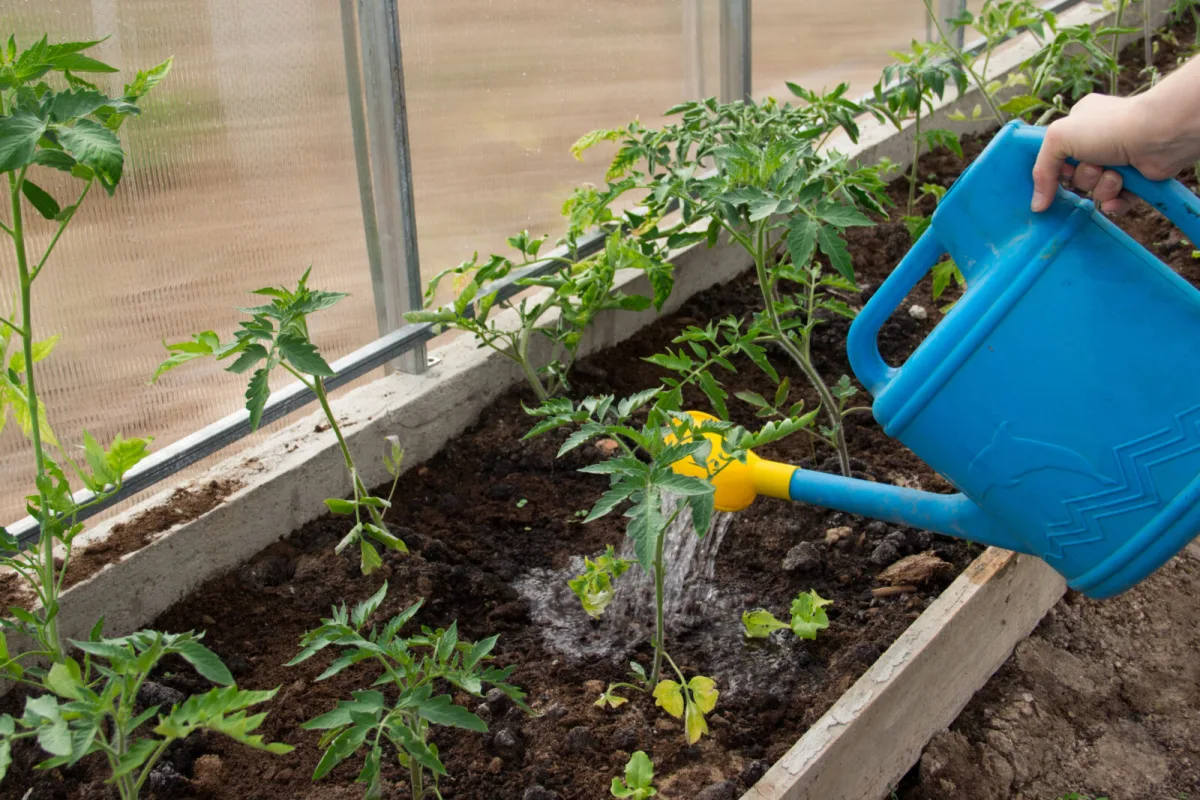
All you need is an ordinary box of baking soda, the kind that sits on the supermarket shelf next to flour and sugar. It costs next to nothing, yet for many growers it’s become a quiet helper all season long. Anyone aiming for a healthy harvest with fewer chemicals often reaches for it as a straightforward first choice.
It’s a remedy you can use for several issues at once. Gardeners struggle with powdery mildew on currants and gooseberries, blights on tomatoes, aphids on roses, caterpillars on brassicas, slugs in the beds, or ants around the patio. This is exactly where, used sensibly, baking soda can help limit problems and strengthen prevention.
Why baking soda works and when to expect the most
The basis of its effect is that it can shift the pH of the surface environment. Many fungal diseases prefer slightly acidic to neutral conditions. Baking soda is alkaline, so it can create conditions on plant surfaces in which moulds and fungi spread less readily.
With pests, the principle is different. For small, soft-bodied pests such as aphids, contact with the solution can upset their balance. Slugs and caterpillars often dislike alkaline conditions too, so they may avoid treated plants. It’s not a miracle cure for everything, though; the best results come from regular prevention and timely action.
Currants and gooseberries under control when powdery mildew threatens
Powdery mildew is one of the most common concerns on currants and gooseberries. A white, flour-like coating appears on leaves and young shoots, gradually weakening the bush and reducing yield. It’s best to start preventatively, especially during warm, humid spells in early summer.
For a spray, a mix of 4 tablespoons of baking soda, 10 litres of water, and 2 tablespoons of liquid soap is commonly used. The solution needs to be mixed well and sprayed over the entire bush, including the undersides of the leaves. Treatment is usually repeated after about a week.
Tomatoes and blight prevention in a rainy summer
Tomatoes are sensitive to fungal diseases that take off mainly during periods of frequent rain. Baking soda is used as supportive prevention to reduce the risk of blight establishing itself easily in the crop.
As a soil drench, make a solution from 3 tablespoons of baking soda and 10 litres of water. Apply it to the soil around the plants about a week after planting, then it can be repeated once every two weeks.
It’s important to bear in mind that with severe blight pressure, baking soda will not replace specialist products. It works best as a preventative step and as part of a wider approach to crop care.
Aphids on roses and ornamental plants
Aphids can multiply very quickly, so within a few days young shoots may be literally covered. If you want a gentler intervention, you can try a spray made from 4 tablespoons of baking soda and 10 litres of water.
It’s best to spray early in the morning or in the evening, and target the undersides of the leaves too, where aphids often hide. After two to three days, you can repeat the treatment depending on the situation.
Brassicas without chewed leaves when caterpillars appear
Caterpillars on cabbage and other brassicas can cause heavy damage quickly. Gardeners sometimes reach for a simple solution of 5 tablespoons of baking soda and 10 litres of water.
Plants need to be sprayed thoroughly, not just on the outside but also inside, where caterpillars like to sit between the leaves. The best results usually come from early application, before damage really takes off.
Slugs, ants, and spots where weeds grow between paving
For slugs, a home option sometimes mentioned is a 50:50 mix of baking soda and flour, sprinkled locally around vulnerable plants. Caution is needed here, because frequent, broad use could unnecessarily alter the soil pH in the bed.
Baking soda is also used outside the beds. On paths and in the joints between paving slabs, a solution made by dissolving roughly half a packet in a bucket of water can slow weed growth. Around anthills, some gardeners use a stronger solution and drench the nest and surrounding area, though results vary depending on colony size and conditions in the garden.
Three rules so baking soda helps more than it harms
Watch the concentration
A higher dose doesn’t mean a better effect. Too strong a solution can scorch leaves or upset the soil’s natural balance, which can then show up as weaker plants.
Test on a small area first
If you’re using baking soda for the first time, it’s safer to treat just one plant or a small section. Wait at least 24 hours and watch for any damage on the leaves.
Apply at the right time
Spray in the morning or evening. In midday sun, droplets on leaves can act like a magnifying glass and cause scorch.
A simple seasonal helper that’s worth trying
Not every useful garden trick has to be expensive. Baking soda is one of the cheapest things you can keep on hand from early summer onward. With sensible, gentle use, it can support prevention of several problems at once and reduce the need to reach for stronger chemicals at the first sign of trouble.
Source: The Spruce, To je nápad, Gardening Know How, Pestrazahrada.cz

A lover of nature, gardens, and everything that moves, blooms, or grows. He literally grows everything, from herbs to rare species, and he enjoys caring for animals just as much. In his work, he connects modern technology with tried-and-tested grandmotherly methods and is happy when both paths lead to the same goal.
Related articles
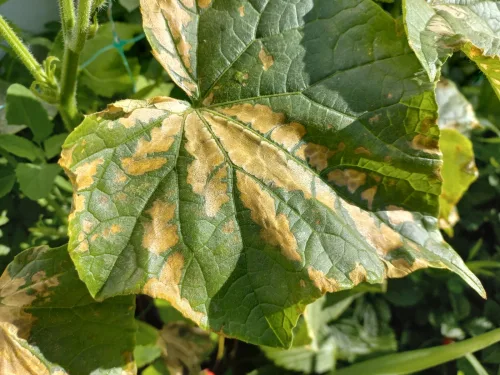
Yellowing cucumber leaves have a clear cause and with the right response plants recover quickly
Cucumber leaves turn pale and yellow when the plant is under stress—most often from watering mistakes, nutrient imbalance, or sudden temperature swings. Spot the pattern early and you can restore growth and protect your harvest fast.
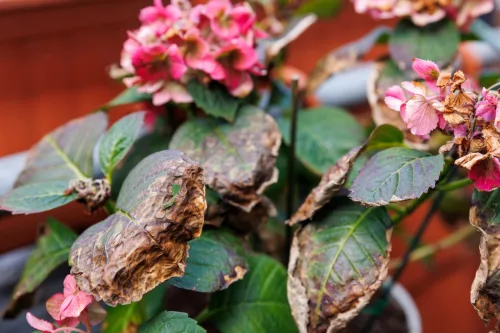
How to Get Browning Hydrangeas Back on Track Without Chemicals
Brown leaf edges or spots on hydrangeas usually point to a simple mismatch in light, watering, or airflow rather than a lost cause. Learn how to read the symptoms and restore your shrub quickly with gentle, practical fixes.
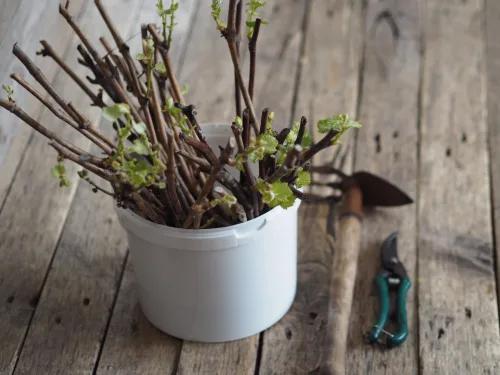
Turn Ground Cinnamon Into a Secret Weapon for Stronger, Tougher Plants
Ground cinnamon isn’t just for baking—it can help protect houseplants and garden plants from mould and fungal issues, support cuttings, and even act as quick first aid for minor wounds. Used lightly, it’s an affordable, gentle, natural add-on to good growing practice.
Comments (0)
Be the first to comment.