
 English
  Polski
  Deutsch
  Nederlands
  Svenska
  Norsk
Norsk  Dansk
Dansk  Français
  Italiano
  Español
  Português
  Slovenčina
  Suomi
Suomi  Gaeilge
 Proven Steps to Boost Your Cucumber Harvest Every Year Naturally
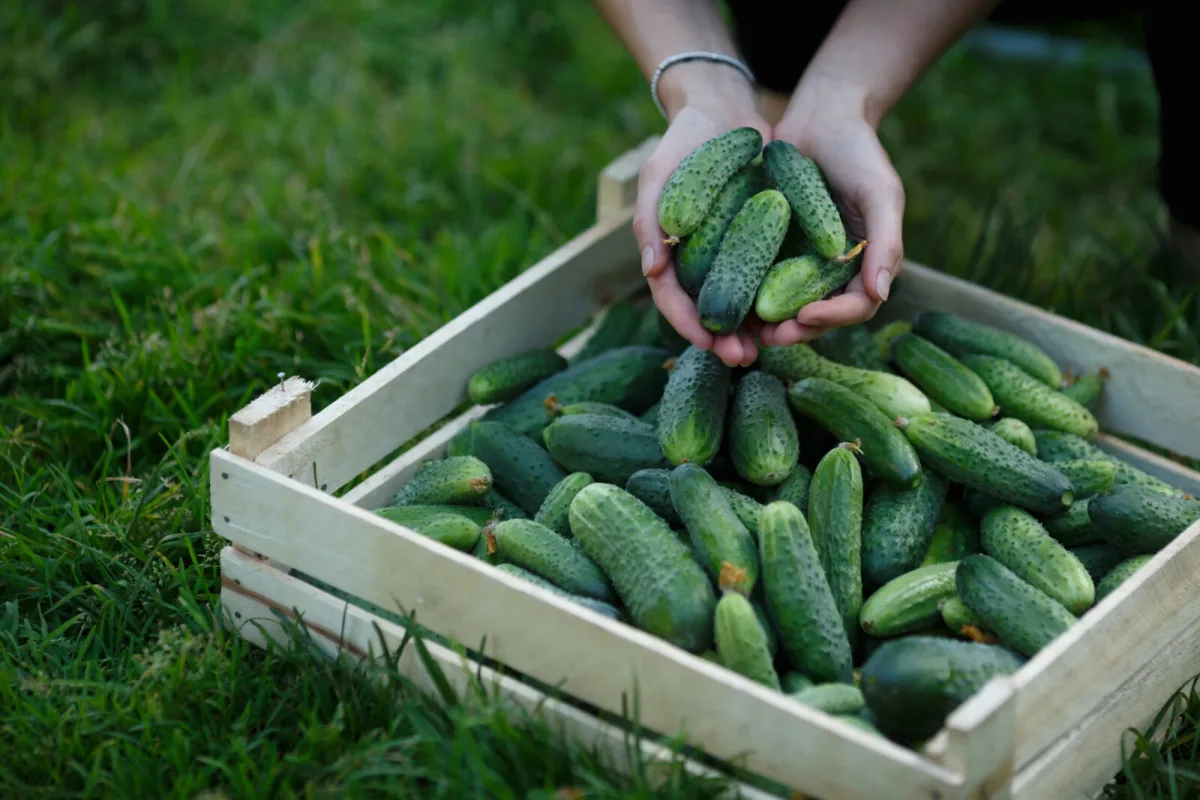
Do you want your cucumbers to grow stronger faster, keep healthy leaves, and set more fruit all summer long? The foundation is a combination of correct plant pinching, training on a support, regular watering, and simple homemade feeding. When you align these basics, you’ll notice the difference quickly. Plants tend to be more vigorous and the harvest often increases so much that you’ll be picking almost every day.
Pinching side shoots for more fruit
Pinching helps cucumbers focus energy on developing quality fruit while keeping the growth more open and airy. The key is to avoid a common mistake: damaging the main stem. Let the main stem grow on, because it forms the backbone of the whole plant.
Intervene mainly on the side shoots. They’re usually shortened to around the third leaf so the plant doesn’t waste strength on long lateral runners. This also improves light penetration and reduces the risk of disease issues in an overly dense canopy.
Pinching when growing on netting
If you grow cucumbers up netting, it pays to lighten the lower part of the plant. From the soil up to about 50 cm in height, gradually remove all side shoots. The lower tier then won’t crowd the root zone, and the plant manages water and nutrients more efficiently.
Cucumbers don’t always cling to netting as reliably as you might expect, so guide them into the mesh regularly until they reach the top support. Once they get to the top, you can gently lay the growing tips over the top rail to the other side and let them continue freely.
Watering is the key, especially in dry spells
Without consistent water, cucumbers quickly lose momentum and may set fruit less readily. During longer periods without rain, it’s worth keeping a watering rhythm matched to the growth stage. During germination and shortly after seedlings emerge, water roughly every other day so the growing medium doesn’t dry out.
Later, once the plants are well established, watering about once every three days is usually enough. In hot weather, though, watch the soil and the leaves and adjust the interval as needed, because cucumbers can use up water very quickly.
Homemade feeding and protection without unnecessary chemicals
Alongside water, a simple feed can make a big difference. The following methods are useful support from flowering through fruit development. Some mixes also help with plant stress and mildew.
Fermented bread solution
Prepare a 20-litre bucket and two to three loaves of stale bread. Tear the bread into smaller pieces, cover with water, and place the container somewhere warm. Let the mix ferment for at least a week to create a nutritious base.
Before use, dilute the solution with water. Then pour about half a litre at each plant, ideally at least once a week. You can start this support from the first flowers until the fruits begin to form and size up.
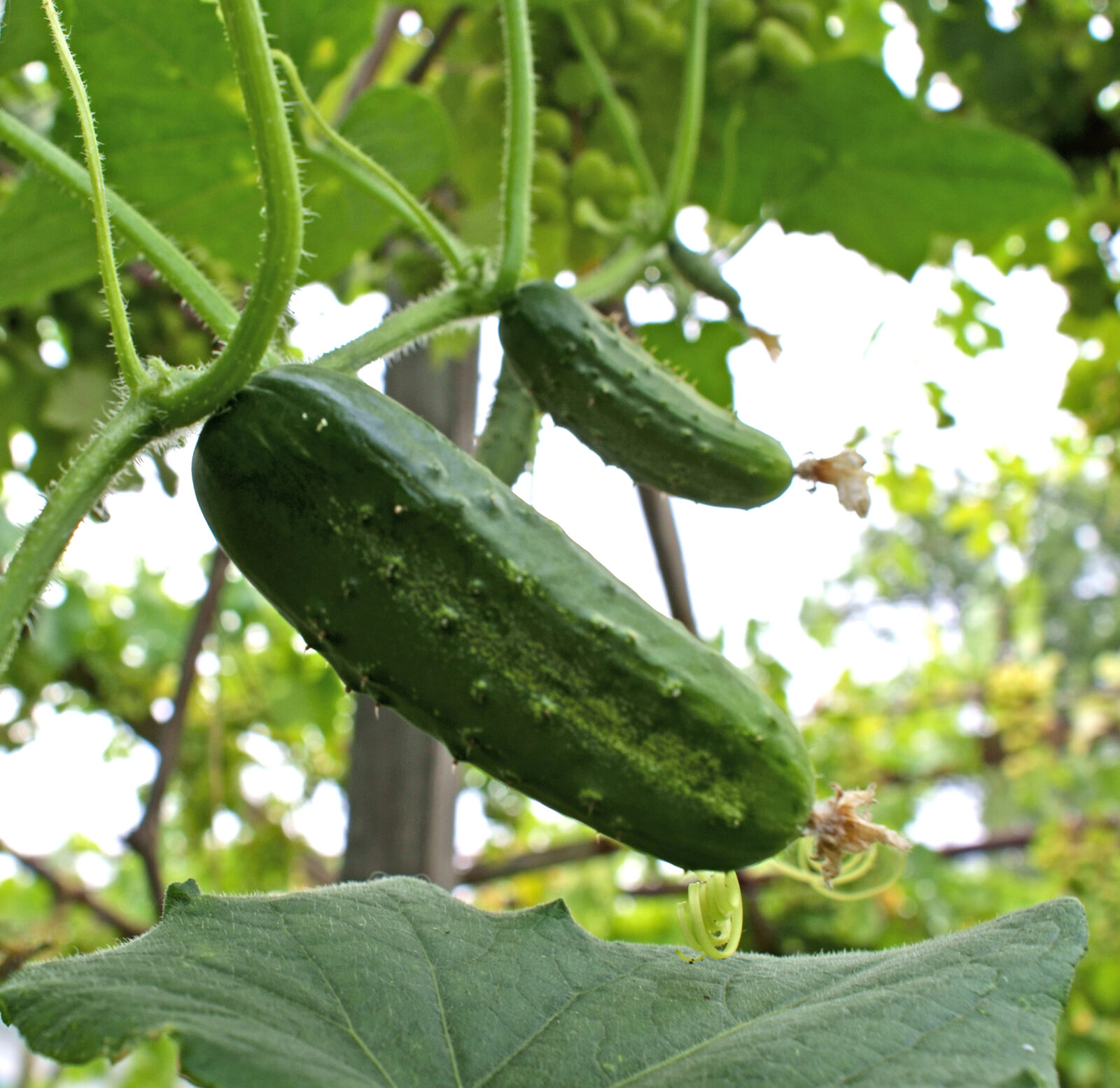
Wood ash as a potassium boost and help against mildew
If the leaves start to yellow, it can be a sign of potassium deficiency. In that situation, wood ash can help. Stir about two cups of ash into 1 litre of boiling water and let the mixture stand for 24 hours. Then use it as a supportive solution as needed.
Ash is also traditionally used as an aid against mildew, because it can change the conditions on the plant surface and make it harder for certain pathogens to thrive.
Onion-skin decoction for spraying
Take a 10-litre pot and fill it with at least four layers of onion skins. Cover with water, bring to the boil, and simmer briefly. Once cooled, strain the solution and pour it into a sprayer.
Apply the spray to leaves and stems. It works well as a gentle, regular support, especially if you want to strengthen plants while keeping the crop in good condition.
Milk solution for feeding and leaf condition
Another simple option is a 1:1 mix of water and milk. Pour the solution into a spray bottle and thoroughly mist the whole plant, including the undersides of the leaves. This method is used as an easy feed and as support for overall crop vitality through the season.
What to take into every season
When you combine sensible pinching of side shoots, careful training of cucumbers on netting, regular watering, and one or two forms of homemade feeding, plants usually respond quickly. The result is typically a longer picking window, more fruit, and a lower risk of the plants running out of steam mid-summer. Keep things consistent and adjust your care to the current weather and the plants’ condition.
Source: Garxenia, RHS, To je nápad, Pestrazahrada.cz

A lover of nature, gardens, and everything that moves, blooms, or grows. He literally grows everything, from herbs to rare species, and he enjoys caring for animals just as much. In his work, he connects modern technology with tried-and-tested grandmotherly methods and is happy when both paths lead to the same goal.
Related articles
August decides whether cucumbers keep cropping or stay strong into October
Cucumbers often start to tire late in the season, with weaker nutrient uptake and more pressure from pests and disease. A simple root drench made with diluted vinegar is one option some gardeners use in August to help keep plants productive for longer.
Pinch Out the Pumpkin Tip and the Plant Will Put Its Energy into Ripening the Fruit
Hokkaido squash is a reliable winter squash with a rich, nutty flavour and straightforward cultivation. Learn when to sow and plant it, how to pinch it for better ripening, and how to harvest and store it for months.

Want Blue or Pink Hydrangeas We Explain How to Change Their Colour
Hydrangea colour isn’t always fixed by the variety. With the right soil pH and consistent care, you can gradually shift some hydrangeas from pink to blue and help them stay that way.
Comments (0)
Be the first to comment.