
 English
  Polski
  Deutsch
  Nederlands
  Svenska
  Norsk
Norsk  Dansk
Dansk  Français
  Italiano
  Español
  Português
  Slovenčina
  Suomi
Suomi  Gaeilge
 An Ancient Egyptian Legume Now Taking Over Czech Gardens
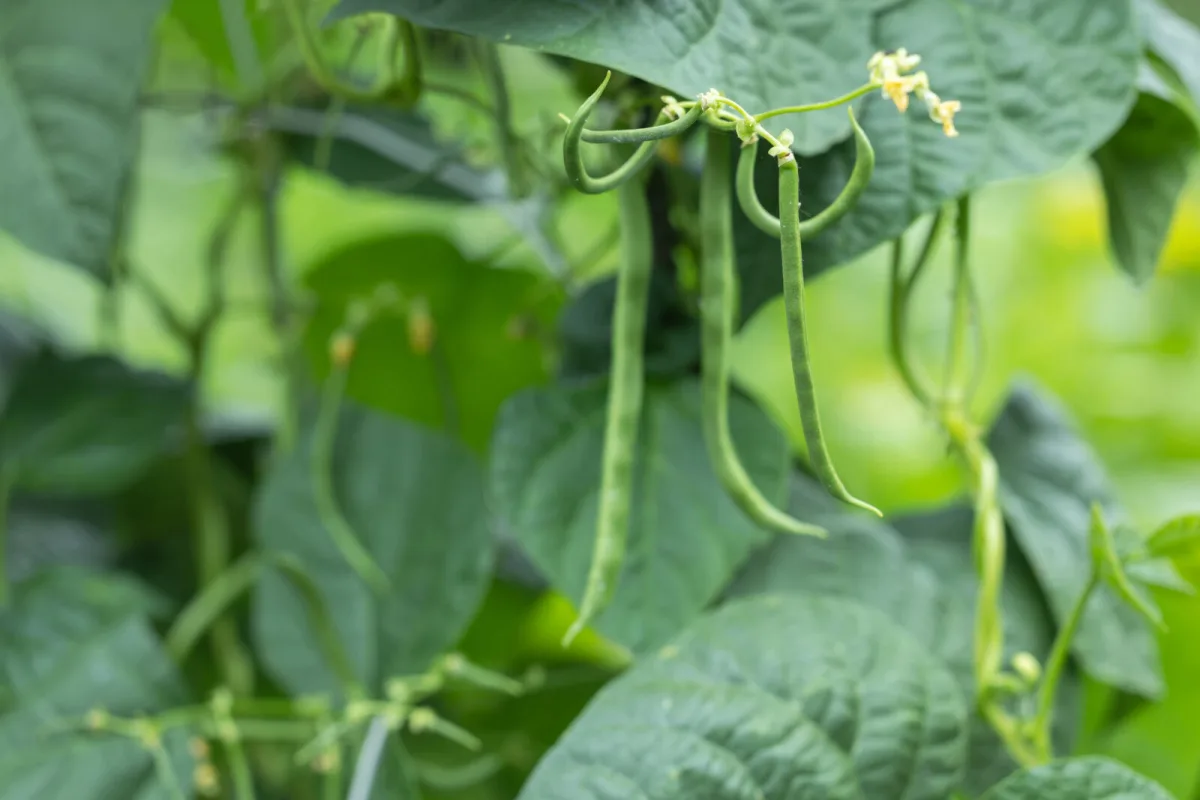
Vigna is a useful legume, originally from Africa, that was already known to the ancient Egyptians. It has long been grown in Arab countries and has also found popularity in North America. In recent years, we’ve been seeing it more often in Europe too, mainly in warmer regions, because it’s a crop that demands more heat. With gradual warming, though, it’s becoming an interesting option for gardens here as well—especially in lower-lying areas, or in a greenhouse or polytunnel. Adding legumes to the diet also brings a range of health benefits, so cowpea makes sense not only horticulturally, but nutritionally too.
What cowpea looks like and how it differs from common beans
In our conditions, the most commonly grown type is yardlong bean, also known as Chinese cowpea (Vigna unguiculata). At first glance it resembles a bean, but it’s characterised by very long, narrow, dark-green pods—often about 40 to 100 cm long—which may curl slightly as they grow. The pods form after pollination of white or purple flowers and typically contain several seeds. The plants are usually well leafed, and you can choose between bush and climbing varieties. Climbing types can reach around 2 m and create a dense green screen.
The ideal spot and soil for a heavy crop
With the right conditions, cowpea can be exceptionally productive, and even a single plant can yield a large number of pods. It does best in a sunny, warm position that’s also sheltered from wind. It prefers a light to medium, free-draining, fertile soil with even moisture. By contrast, in heavy, waterlogged, cold ground—or in shade—it often stalls, stops growing, and flowers poorly. A nice bonus is that it also benefits from higher air humidity, so it can develop well in a sheltered spot near water or in a greenhouse environment.
When to sow and how to do it step by step
Cowpea is an annual, so it’s sown fresh each year. There’s no need to rush, because warmth and warmed soil support germination. At sowing time, air temperatures shouldn’t drop below 15 °C, ideally they’re around 20 °C, and the soil should be at least 10 to 12 °C. The most common and safest window is May to the first half of June.
Seeds are usually sown directly into the bed. For climbing varieties, sow to a depth of about 5 cm; for bush types, a little shallower, around 3 cm. Germination takes roughly 1 to 2 weeks. During this period, it’s important to keep the soil evenly moist but not waterlogged, because plants get off to a poor start in cold, saturated ground.
Cowpea in beds, on supports, and on the balcony
Bush varieties suit standard beds and raised beds, either on their own or in mixed plantings. Climbing types work well on fences, trellises, mesh, and other supports, or along the wall inside a greenhouse. If you sow several plants in a row at spacings of about 10 to 15 cm, you’ll get a dense green wall that provides screening while also producing. With climbing varieties, it’s practical to put the support in place at sowing time—ideally sturdy and at least 2 m tall. Thanks to vertical growing, cowpea saves space, so it’s suitable for smaller gardens and can also be grown on sunny balconies and terraces in larger, deep containers.
In-season care and how to encourage pod set
In a suitable position, cowpea is fairly low-maintenance: it grows quickly, flowers freely, and sets pods well. The most common issues are insufficient light or soil that’s too heavy and constantly wet. During the season, the plant appreciates more regular watering—roughly twice a week, more thoroughly—yet the soil should have time to dry slightly between waterings so air can reach the roots. From active growth until flowering begins, it’s a good idea to add an organic feed. Once plants have put on some size, an organic mulch also helps by stabilising soil moisture. The good news is that cowpea isn’t often troubled by diseases or pests.
Harvesting the pods: when they’re best and how to do it properly
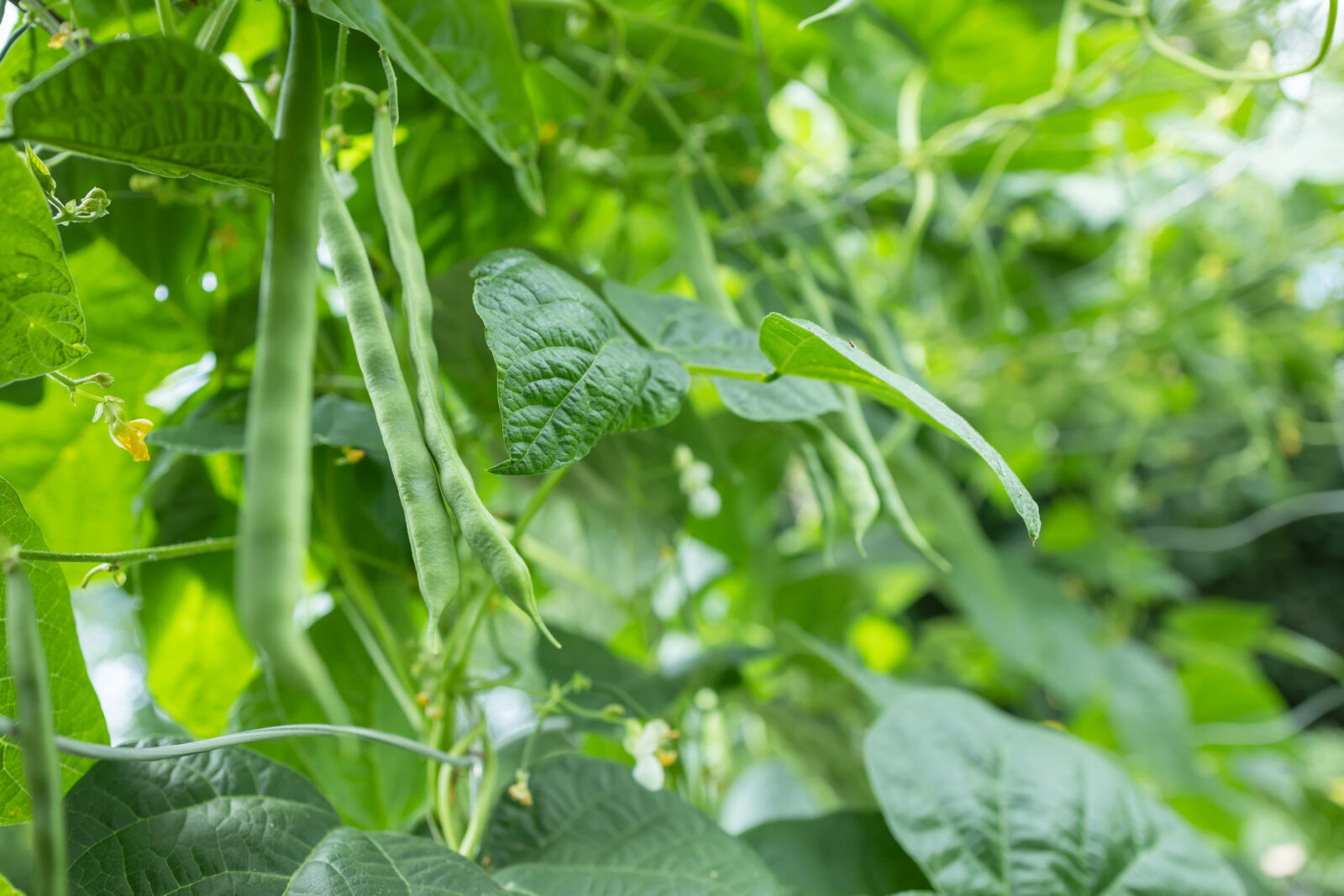
The tastiest pods are young, when they’re tender and crisp. Older pods toughen up, become more fibrous, and need longer cooking. Ideally, harvest when the pods are still delicate and the seeds inside are only small, not fully developed. A practical guideline is a length of about 30 to 40 cm, because significantly longer pods can already be tougher.
Harvest regularly, ideally on drier days, and gently snap or cut the pods off so you don’t damage the shoots. The more consistently you pick, the more new pods the plant sets and the bigger the overall crop. If you’d like to save seed, leave some pods on the plant until they fully mature and dry.
In the kitchen: tender pods and seeds
Cowpea is grown both for green pods and for dried seeds. The green pods are valued for their protein, fibre, vitamins, minerals, and antioxidants. The presence of folate is also notable, especially important during pregnancy. Compared with some common green beans, the pods often hold their texture better after cooking, making them suitable for boiling, braising, grilling, and baking, as well as for soups, side dishes, or light salads.
In the kitchen, yardlong bean is most often used much like young green beans. Thanks to its long, thin pods, it’s ideal for quick blanching, steaming, or fast stir-frying. It fits beautifully into wok dishes, vegetable mixes, and summer meals, where its delicate flavour really shines. The key is not to overcook it, so the pods stay crisp and keep their colour. You can cut them into shorter pieces, but they also look striking cooked whole. The flavour pairs well with herbs as well as classic Asian seasonings.
Tip: Cowpea tastes excellent with soy sauce, garlic, ginger, and sesame oil. Quick stir-fried pods with spring onions, a spicy sauce, or combined with mushrooms or meat are especially popular.
Source: Grow Hoss, Urban Farmer, Záhrada, Pestrazahrada.cz

A lover of nature, gardens, and everything that moves, blooms, or grows. He literally grows everything, from herbs to rare species, and he enjoys caring for animals just as much. In his work, he connects modern technology with tried-and-tested grandmotherly methods and is happy when both paths lead to the same goal.
Related articles
Drought tolerant exotic fruit trees suitable for Czech gardens
Fig, pomegranate and even some olives can cope with increasingly dry summers in parts of the Czech Republic—provided you pick hardier cultivars and give them a warm, sheltered spot. With the right siting and winter protection, these “holiday” trees can reward you with real harvests at home.
An August sowing of dill keeps fresh fronds coming until the first October frosts
Beds start to open up after early crops are harvested, and August is a perfect moment to sow dill again. With loose soil and steady moisture, you can keep harvesting tender, fragrant fronds through September and often well into October.
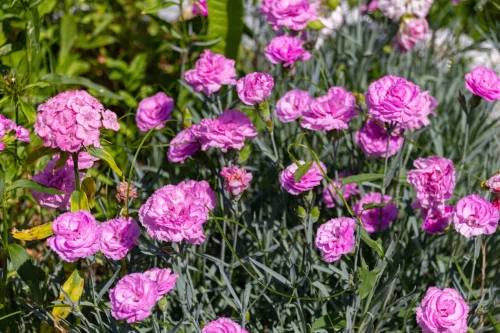
Carnations Back in the Spotlight, Easy Flowers for Vases and Gardens
Carnations are far more varied and long-lasting than their old-fashioned reputation suggests. With simple care, they’ll shine in a vase for weeks and thrive in beds, rock gardens, and containers.
Comments (0)
Be the first to comment.