
 English
  Polski
  Deutsch
  Nederlands
  Svenska
  Norsk
Norsk  Dansk
Dansk  Français
  Italiano
  Español
  Português
  Slovenčina
  Suomi
Suomi  Gaeilge
 Roses Like a Fairytale Practical Growing Guide for Beginners
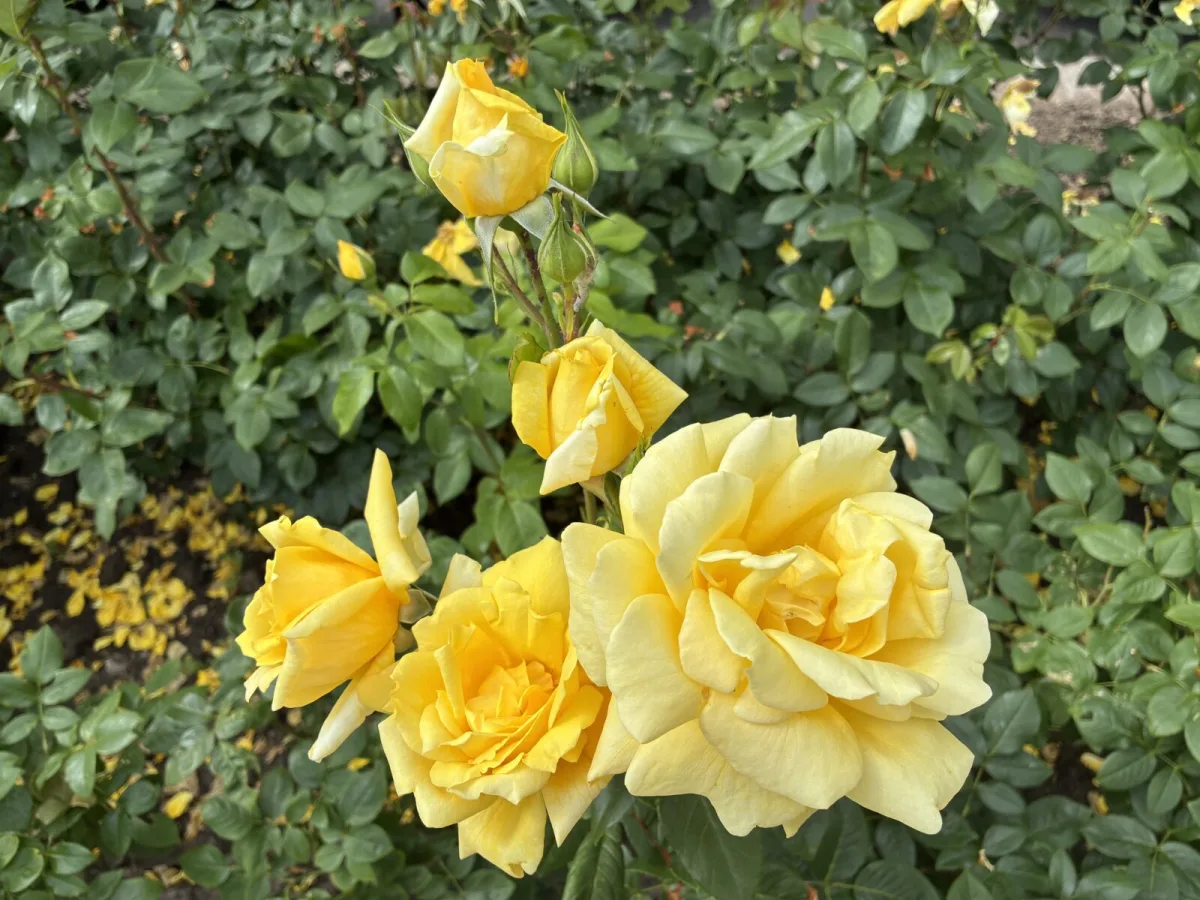
Many people are unnecessarily intimidated by roses, even though growing them isn’t any more demanding than caring for other ornamental shrubs. The basics are a sunny spot, soil that doesn’t stay wet for long, regular feeding, and sensible watering. Once you give roses a good start, they’ll repay you with abundant blooms year after year. Timely spring pruning and routine checks for diseases such as powdery mildew or black spot are also important.
Start with the roots and choose the right type of plant
You can buy roses either container-grown in potting mix, or bare-root (without soil), usually during dormancy. Container-grown plants are ideal for beginners because they’re easy to plant, establish faster, and are widely available in garden centres through the season. You can also choose the day that suits you best for planting, ideally cool and overcast.
Bare-root roses tempt you with a wider choice of varieties and often a lower price, and they’re commonly ordered online. But expect them to need a bit more attention after planting. Before planting, it’s a good idea to soak the roots overnight in water, and for the first few months make sure the root zone never dries out completely.
Choose varieties so the garden looks cohesive
Roses come in many groups, from miniature types and large-flowered hybrids to groundcover and climbing roses. It’s very tempting to buy lots of different types, but the result is often an overcrowded bed where roses compete and the overall effect feels disjointed. It’s better to choose a smaller number of varieties that match in habit, colour, and requirements.
If you want the least fuss, focus on shrub and landscape roses, which are typically bred for resilience and usually forgive minor care mistakes.

The right site determines health and the number of flowers
Roses perform best when they get roughly six to eight hours of direct sun each day. Along with light, well-drained soil with plenty of organic matter is crucial. In hot regions, roses benefit from protection from the fiercest afternoon sun. In cooler areas, planting near a south- or west-facing wall or fence can help buffer winter swings and reduce the risk of frost damage.
Timing your planting greatly increases your chances of success
Roses are most often planted in spring after the risk of frost has passed, or in autumn with enough time before the first expected frost. Autumn planting should allow at least several weeks for roots to establish before the rose goes dormant. Bare-root roses are usually available mainly in early spring, and it’s best to plant them as soon as possible after purchase. Container roses give you more flexibility because they can be planted for most of the season, as long as you avoid weather extremes.
Planting step by step so your rose settles in quickly
The planting hole should be deep and wide enough for the roots to fit comfortably and have room to grow. It’s important that water doesn’t sit there, as roses hate permanently waterlogged roots. Mix the excavated soil with well-rotted compost, or another organic material, to keep the soil lively and airy.
Set the rose so the graft union and the base of the shoots are roughly level with the soil surface in mild conditions, while in colder areas it’s safer to position this part a few centimetres lower. Backfill gradually, water thoroughly, and only then add the remaining soil. To finish, it’s practical to mound loose soil around the shoots to help the rose cope with the change of environment. When planting several shrubs, leave enough space so they won’t shade each other over time and so there’s room for air to circulate.

Regular feeding is the key to abundant flowering
Roses are among the plants that bloom noticeably more with good nutrition. Organic feeding has the advantage of releasing nutrients gradually while also supporting soil life. Repeated top-dressings of compost, well-rotted manure, or natural liquid feeds work well. In addition to supplying nutrients directly, organic additions also improve soil structure and help maintain a more stable pH.
Slow-release fertilisers are also a good choice, providing a balanced mix of the main nutrients and trace elements over time. With newly planted bare-root roses, though, it’s better to be cautious, start gently, and wait with stronger feeding until the plant has rooted in and flowered for the first time, so the delicate new roots aren’t damaged.
Watering should be consistent, not sporadic
During the season, the soil should be slightly and consistently moist, not alternating between bone-dry and waterlogged. How often you need to water depends on the weather and the soil type; sandy soils dry out faster than heavier clay soils. Heat, drought, and wind can dehydrate roses very quickly, and then the plant is more easily weakened.
How you water matters too. If you frequently wet the foliage, you increase the risk of fungal diseases. So it’s better to direct water straight to the roots, for example with a long-spouted watering can, a watering wand, or a soaker hose. Morning watering is usually the safest, because the plant has time to dry and can also use the water through the day.
Spring pruning improves shape and vigour
Pruning roses can feel daunting for beginners, but in reality it’s hard to completely ruin a rose with pruning. Still, it pays to follow a few rules and use quality secateurs, ideally bypass pruners that cut rather than crush. The main prune is done in early spring. Start by removing anything dead, broken, or clearly damaged. On roses that tolerate a harder cut, it’s common to shorten about one third to one half of last year’s growth until the wood inside is healthy and pale.
During the season you can lightly tidy the shrub so it looks neat and doesn’t sprawl into paths. For repeat-flowering varieties, regularly removing spent blooms helps, because the rose directs energy into new buds. Some modern varieties are self-cleaning, with flowers that drop on their own and continue blooming even without intervention.

Disease and pest prevention starts with choosing resilient roses
The simplest protection is to plant varieties with naturally better resistance to common problems. Typical diseases include powdery mildew and black spot. Powdery mildew often shows up in summer when days are warm and dry but nights are cooler and damp. You’ll recognise it by distorted leaves and a whitish coating. It helps to water in the morning at the base, avoid keeping leaves wet for long, and open up the shrub with pruning so air can move freely.
Black spot appears as dark patches on the leaves, often starting low down and gradually causing leaf drop. The prevention principle is similar: less moisture on the foliage and more air circulation. In practice, a gentle spray based on bicarbonate of soda combined with a suitable horticultural oil, or other more eco-minded fungicides, can also help.
As for pests, roses are most often bothered by aphids, spider mites, sawfly larvae, or certain beetles. Neem oil or insecticidal soap works for many of them. Aphids are often solved by a simple jet of water from a hose if you catch them early. Thoughtful companion planting nearby can also help, for example ornamental alliums, which can deter aphids to some extent.
Enjoy the blooms in a vase and keep them fresh longer
Cut roses have a charm of their own, but the most beautiful are the ones you bring in straight from your own garden. For longer vase life, cut flowers when the bud is just beginning to open. Use sharp pruners so the water-conducting tissue in the stem isn’t damaged and the rose can drink well.
Cut in the morning or evening, when plants are hydrated and not stressed by heat. Before placing them in a vase, recut the stems, ideally at an angle, so the end doesn’t sit flat on the bottom of the container and can take up water more easily. Remove any leaves that would sit below the waterline, as they rot quickly and encourage bacterial growth. Change the vase water regularly, and every few days shorten the stems again; this helps roses keep taking up water for as long as possible.
Source: Garden Design, Rhs, Pestrazahrada.cz
Related articles
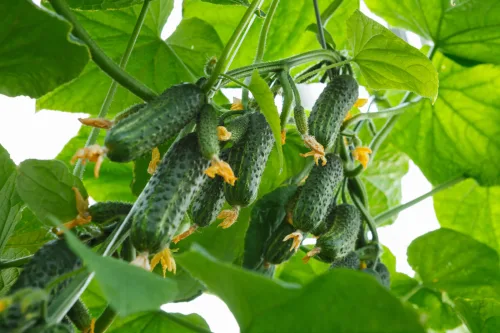
August decides whether cucumbers keep cropping or stay strong into October
Cucumbers often start to tire late in the season, with weaker nutrient uptake and more pressure from pests and disease. A simple root drench made with diluted vinegar is one option some gardeners use in August to help keep plants productive for longer.

Pinch Out the Pumpkin Tip and the Plant Will Put Its Energy into Ripening the Fruit
Hokkaido squash is a reliable winter squash with a rich, nutty flavour and straightforward cultivation. Learn when to sow and plant it, how to pinch it for better ripening, and how to harvest and store it for months.

Want Blue or Pink Hydrangeas We Explain How to Change Their Colour
Hydrangea colour isn’t always fixed by the variety. With the right soil pH and consistent care, you can gradually shift some hydrangeas from pink to blue and help them stay that way.
Comments (0)
Be the first to comment.