
 English
  Polski
  Deutsch
  Nederlands
  Svenska
  Norsk
Norsk  Dansk
Dansk  Français
  Italiano
  Español
  Português
  Slovenčina
  Suomi
Suomi  Gaeilge
 A Hydrangea Substitute That Blooms for Up to 120 Days and Handles Drought Better
The past few years have shown that higher temperatures and longer periods without rainfall are changing what has worked in Czech gardens for decades. A typical example is hydrangeas, which in a sweltering summer suffer not only from lack of moisture, but above all from overheated air and a parched environment. Watering will help replenish moisture in the soil, but the heat and scorching sun can exhaust the plant so much that it quickly starts to dry out, turn brown, and drop leaves and blooms. Many gardeners are finding that care is becoming more demanding year after year, with uncertain results.
With some species, you have to accept that they weaken under new conditions and make room for plants that actually benefit from a warmer climate.
When conditions change, shrub choices need to change too
Experts are increasingly recommending thinking about replacements that can cope with drought and heat with fewer losses. If you don’t want to give up the look of a shrub covered in flowers, there are options that can deliver a similar effect with greater resilience. One often mentioned is oakleaf hydrangea, which stands out with its oak-like leaves and turns deep purple in autumn. Its flowers are also interesting in how they change, because the white panicles can blush lightly pink as they fade, so the shrub stays decorative even beyond the main season.
Lagerstroemia indica as an attractive hydrangea alternative
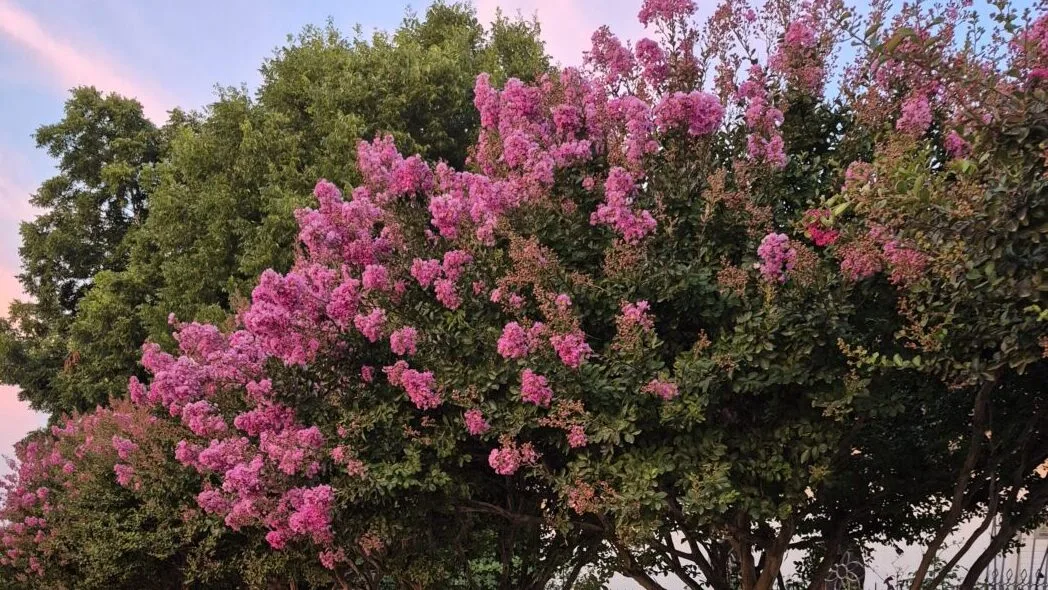
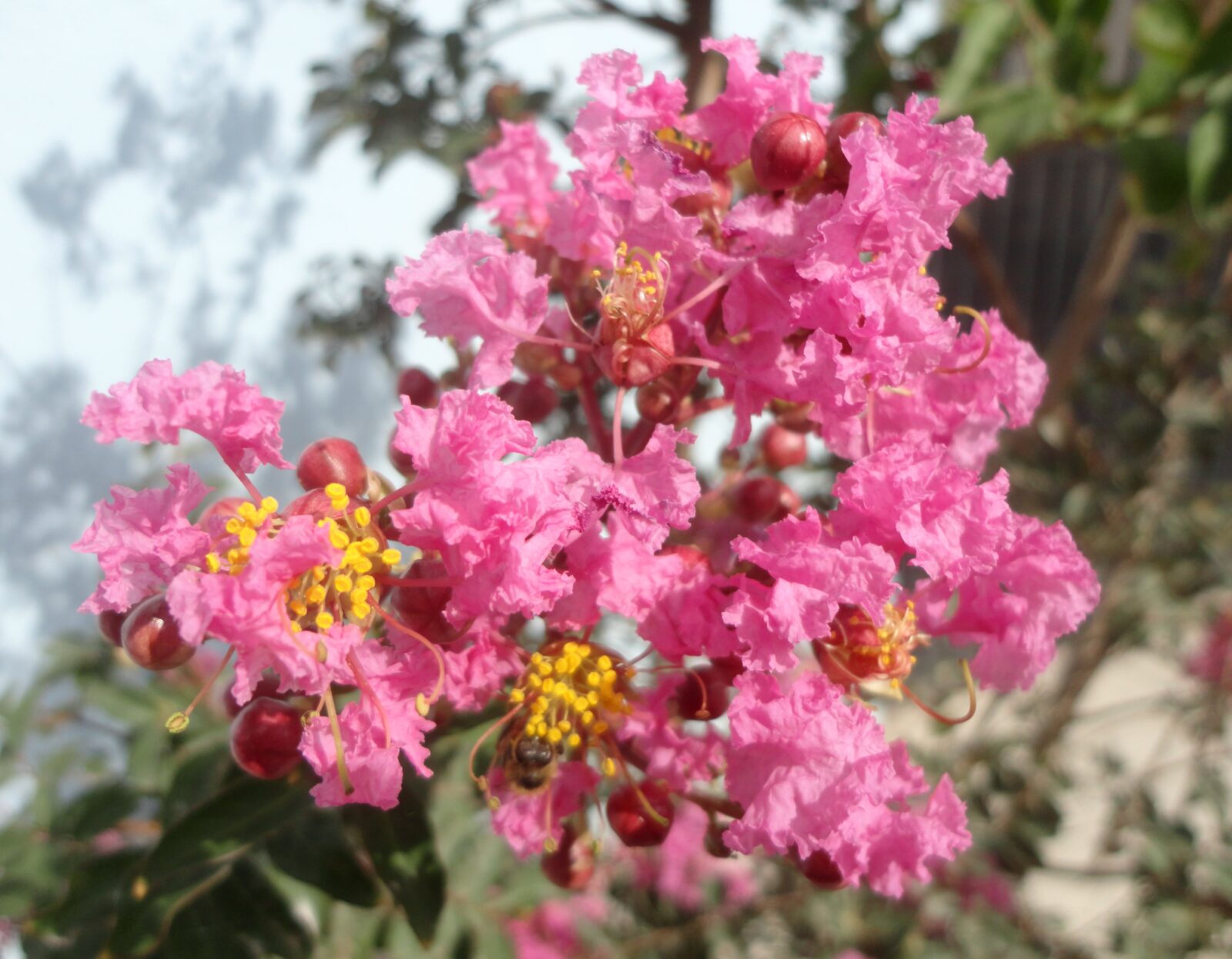
An even more striking alternative for sunny gardens may be crape myrtle (Lagerstroemia indica). You may also come across it under names such as crepe myrtle or Indian lilac. It’s a shrub that draws attention with large, showy flowers in shades of white, pink, purple, and scarlet. The biggest appeal is its exceptionally long bloom, in good conditions roughly three months straight. If the flower clusters open in summer, they often last until September, sometimes even into October, bringing colour to the garden at a time when many other ornamental shrubs are already finishing.
How tall it gets and where it fits best
The height of crape myrtle varies by cultivar. Some forms stay compact and reach around half a metre, while others can grow to several metres in a favourable setting. That makes it suitable as a specimen shrub, in mixed plantings, or as a standout replacement where lilac or hydrangea once dominated. From a distance it offers similarly bold flowering, but at a time that can bridge beautifully into late summer and early autumn.
Sun is the key to success
With crape myrtle, the site makes all the difference. It needs full sun, ideally in a spot that won’t be shaded even for part of the day. The more light and warmth it gets, the more readily it sets buds and the longer and more profusely it blooms. If you have a genuinely hot corner of the garden that other plants struggle with in summer, this may be the shrub that will actually thrive there.
Soil, watering, and an easy boost with mulch
It does best in fertile, humus-rich, well-drained soil with a neutral to slightly acidic pH. Although it’s considered a tougher choice for a warmer climate, it will appreciate regular watering during prolonged dry spells, especially after planting and while in bloom. A practical helper is mulch, which helps maintain even moisture, protects the roots from overheating, and also makes bed maintenance easier. Give it sun, free-draining soil, and a sensible amount of water, and it will reward you with a long flowering season and a look that feels exotic in the garden, yet still blends in naturally.
Source: The Spruce, Gardening Know How, Pestrazahrada.cz

A lover of nature, gardens, and everything that moves, blooms, or grows. He literally grows everything, from herbs to rare species, and he enjoys caring for animals just as much. In his work, he connects modern technology with tried-and-tested grandmotherly methods and is happy when both paths lead to the same goal.
Related articles

After Five Years in the Same Bed, Strawberries Stop Cropping Get Your New Strawberry Patch Ready in Time
Strawberry plants typically lose vigour after about five years in the same bed. Set up a new, sunny strawberry patch in late summer or early autumn for stronger rooting and a heavier crop next season.

Now Is the Perfect Time to Sow a New Lawn for Dense, Hard-Wearing Turf
Sowing a lawn from seed is cost-effective and lets you match the grass mix to your garden conditions. With the right timing, thorough preparation and gentle aftercare, you’ll get a dense, resilient lawn that lasts.
Drought tolerant exotic fruit trees suitable for Czech gardens
Fig, pomegranate and even some olives can cope with increasingly dry summers in parts of the Czech Republic—provided you pick hardier cultivars and give them a warm, sheltered spot. With the right siting and winter protection, these “holiday” trees can reward you with real harvests at home.
Comments (0)
Be the first to comment.