
 English
  Polski
  Deutsch
  Nederlands
  Svenska
  Norsk
Norsk  Dansk
Dansk  Français
  Italiano
  Español
  Português
  Slovenčina
  Suomi
Suomi  Gaeilge
 Don’t Ruin Your Tomato and Apple Harvest with Too Little Calcium in the Soil
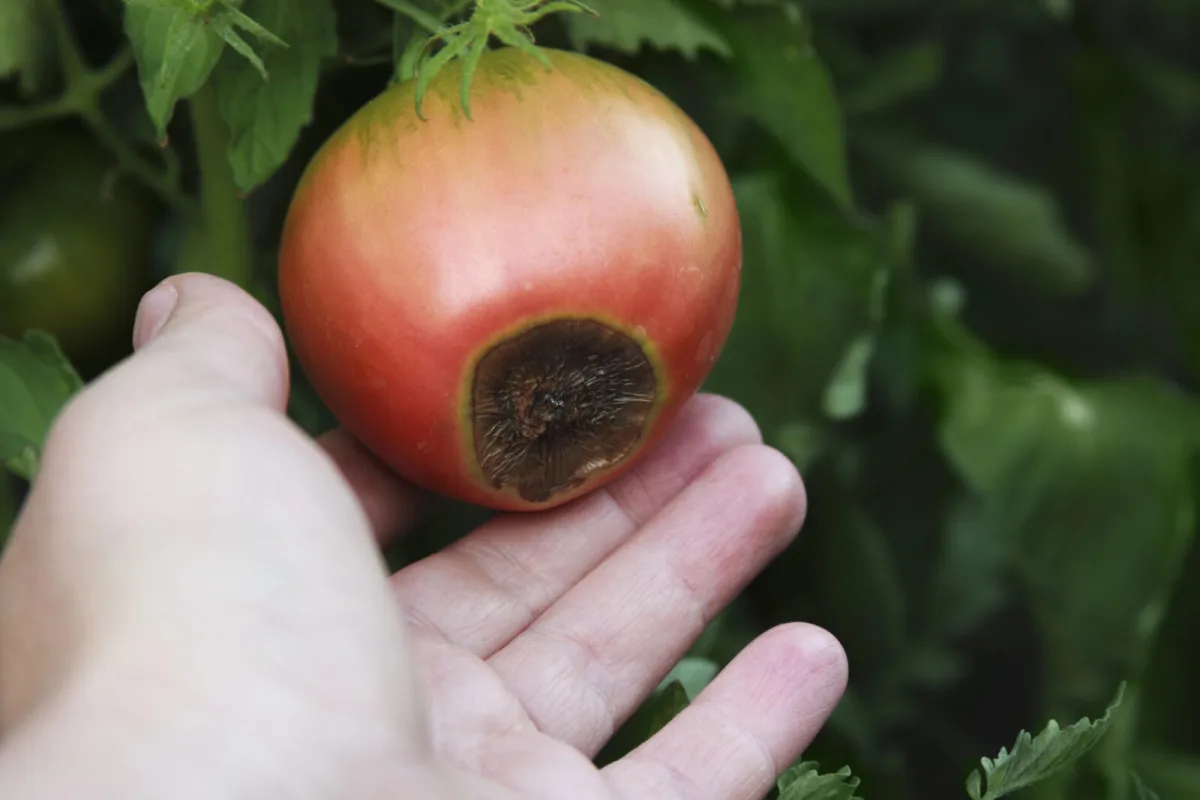
For plants to grow well, cope with stress, resist pests and deliver a tasty harvest, they need properly balanced nutrition. Beyond the basic nutrients, there are elements a plant can seem to manage without for a while, but the fruit then loses quality. One of the most important is calcium. When it’s missing, you’ll see the classic spots and tissue dieback that people often mistakenly take for fungal diseases. The result is fruit that looks damaged and all too often ends up in the bin.
Balance is everything: too little and too much both cause harm
With nutrients, the rule is simple: neither too little nor too much. Calcium deficiency shows up more often in acidic, dry soils, conditions that can be improved to some extent by adjusting pH and watering more regularly. But the issue often doesn’t start in the soil alone; it happens inside the plant because calcium uptake can be blocked by unsuitable fertilising.
Who is most often to blame
Surprisingly, the culprit is often not calcium itself, but other key nutrients, most commonly potassium and also nitrogen. If they’re supplied in large amounts or too frequently, they can prevent the plant from taking up calcium properly and moving it into the tissues where it’s needed.
Typical signs of calcium deficiency on fruit
Calcium deficiency is most obvious on fruiting vegetables and on apples. In tomatoes and peppers, the tip of the fruit dies back, a necrosis that gradually turns into dark patches. In apples, a physiological disorder known as bitter pit develops, with dark, sunken spots forming on the skin. At first glance it can look like an infection, but the cause is nutritional.
Tomatoes and peppers: spots that worsen with the weather
On tomatoes, the patch is initially water-soaked, later turning brown to black, sharply defined and slightly sunken. On peppers, the brownish damage appears mainly at the pointed end of the fruit. In dry conditions the spots tend to dry out, but with higher humidity they can rot, and the fruit quickly becomes unusable.
How to top up calcium and stop blocking it in the first place
The foundation is to rein in excessive potassium feeding and not overdo nitrogen either. Potassium acts antagonistically to calcium, meaning it suppresses calcium uptake, and a similar effect can occur with high rates of nitrogen fertiliser. More frequent use of organic feeds can help, as they support better overall nutrient uptake, as can choosing a more suitable form of nitrogen.
Nitrogen, yes, but use it wisely
If you need to add nitrogen, it pays to choose a form that also supplies calcium. A good example is calcium nitrate, which contains readily soluble calcium and can also be used preventatively where the problem repeats year after year.
Bitter pit in apples and summer prevention
With apples, prevention needs to be tackled early, often as soon as July. In areas with repeated issues, multiple calcium sprays are used about 10 to 14 days apart, so calcium is supplied to the fruit steadily and bitter pit doesn’t develop.
How to recognise excess calcium and why that’s a problem too
Direct symptoms of too much calcium are harder to describe on the plant itself; more often, the problem shows up in the soil. With inappropriate liming or poorly chosen fertilisers, calcium can become excessive and plants may start to yellow. What’s more, an excess can block the uptake of other elements, typically iron and zinc, so issues can cascade. The most reliable approach is a soil test or an analysis of plant tissue, which lets you bring nutrition back into balance.
Source: RHS, NKZ, The Spruce, Pestrazahrada.cz

A lover of nature, gardens, and everything that moves, blooms, or grows. He literally grows everything, from herbs to rare species, and he enjoys caring for animals just as much. In his work, he connects modern technology with tried-and-tested grandmotherly methods and is happy when both paths lead to the same goal.
Related articles
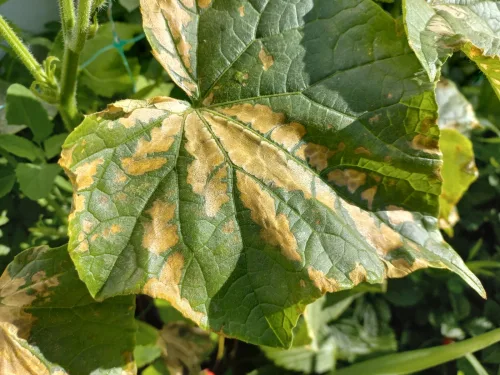
Yellowing cucumber leaves have a clear cause and with the right response plants recover quickly
Cucumber leaves turn pale and yellow when the plant is under stress—most often from watering mistakes, nutrient imbalance, or sudden temperature swings. Spot the pattern early and you can restore growth and protect your harvest fast.
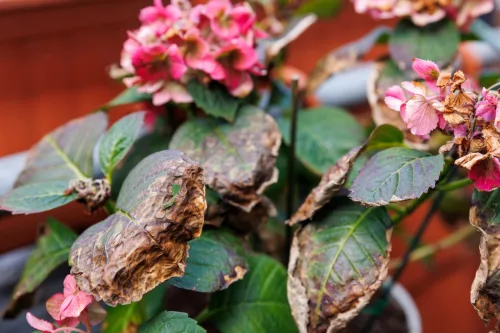
How to Get Browning Hydrangeas Back on Track Without Chemicals
Brown leaf edges or spots on hydrangeas usually point to a simple mismatch in light, watering, or airflow rather than a lost cause. Learn how to read the symptoms and restore your shrub quickly with gentle, practical fixes.
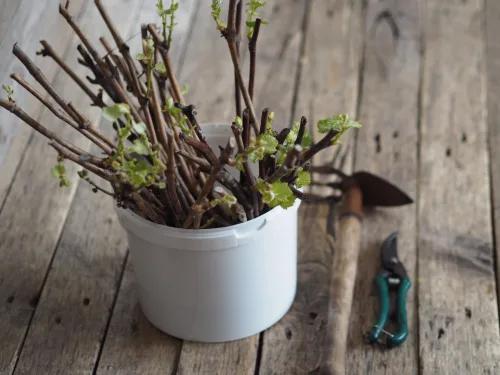
Turn Ground Cinnamon Into a Secret Weapon for Stronger, Tougher Plants
Ground cinnamon isn’t just for baking—it can help protect houseplants and garden plants from mould and fungal issues, support cuttings, and even act as quick first aid for minor wounds. Used lightly, it’s an affordable, gentle, natural add-on to good growing practice.
Comments (0)
Be the first to comment.