
 English
  Polski
  Deutsch
  Nederlands
  Svenska
  Norsk
Norsk  Dansk
Dansk  Français
  Italiano
  Español
  Português
  Slovenčina
  Suomi
Suomi  Gaeilge
 Compost for More Fertile Soil and Lower Fertiliser Use
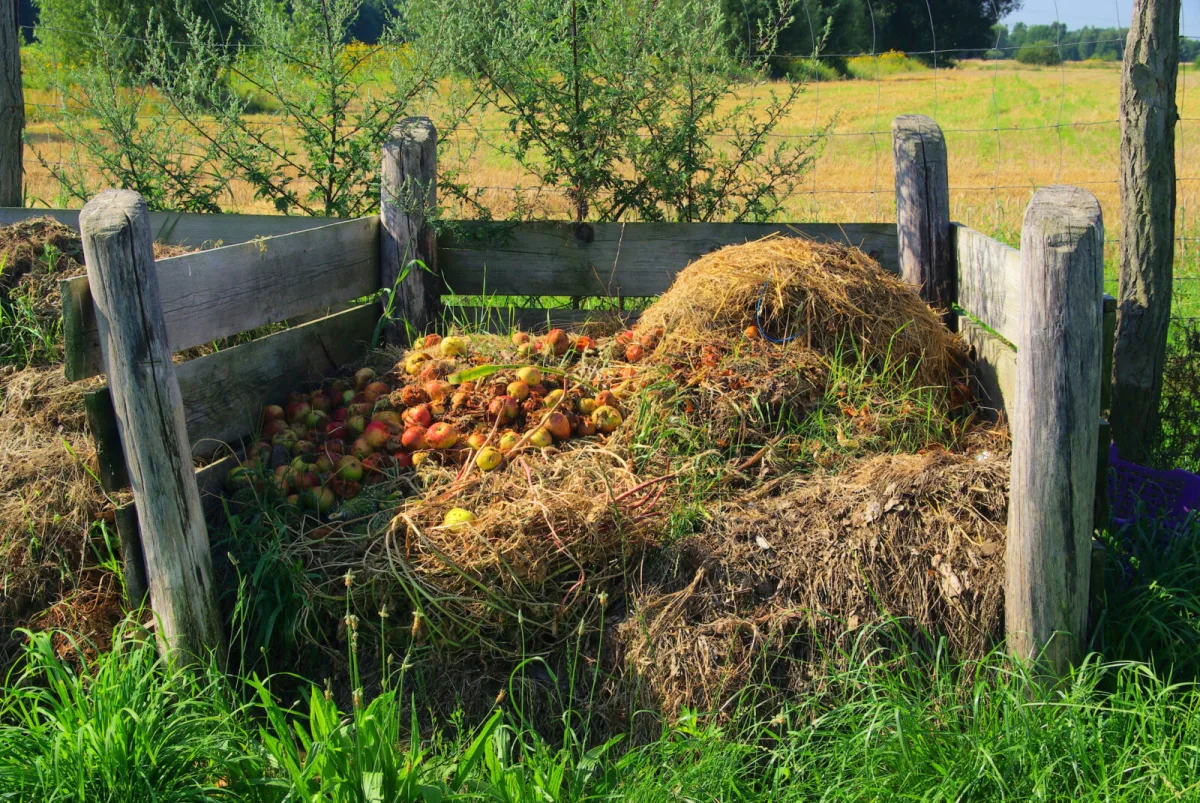
In recent years, compost has moved from being a simple add-on for hobby gardeners to a tool used in modern soil management. Trials by the Research Institute for Landscape show that well-prepared compost can noticeably improve soil quality, support plant growth, and partly replace mineral fertilisers. What matters is not only that it is organic matter, but above all what the compost is made of and the rate at which it is applied.
The basic role remains straightforward: returning organic matter and nutrients to the soil. Research, however, confirms that with a properly designed recipe, compost can significantly help supply crops with nutrients and reduce the need for industrial inputs.
What makes compost high quality and what it is good for
The key is the so-called feedstock, meaning the material the compost is made from. Most commonly this is green-waste bio-material from landscape and grounds maintenance, but its properties can be deliberately adjusted by adding other components. In assessing the composting process and the impacts of application on arable land, the institute worked with researchers focused on agricultural machinery, today within the National Centre for Agricultural and Food Research.
Trials show clear differences between additives. Organic fertilisers such as farmyard manure or digestate increase the levels of the main nutrients, especially potassium. Products from electric composters can bring a higher proportion of nitrogen and phosphorus. Ash from biomass combustion mainly boosts potassium, calcium and magnesium. Each such ingredient also changes the compost’s chemical parameters, and therefore which soils and crops it is best suited to.
Compost properties result from the combination of input materials and the composting method, and that is exactly what determines how it can be used in practice.
How much compost makes sense and how it works in the soil
With regular use, compost has a long-term effect. In practice, it is often stated that to maintain a stable level of organic matter in soil, roughly 6 to 7 tonnes of dry matter per hectare per year is enough. In real-world operation, this may mean incorporating around 40 to 50 tonnes of compost at natural moisture as a one-off application once every few years.
Compost does not act only as a nutrient source. It improves soil structure, supports water-holding capacity, stimulates biological activity, and can also help adjust soil reaction, i.e. pH. The interplay of these effects is often crucial during dry periods or on tired, depleted soils.
Composts for growing media and forest nurseries
Composts also play a major role in the production of growing media and garden soils. Here, however, greater caution is needed, because the main factors monitored are soluble salt content and the level of acceptable nutrients—often especially potassium. Compost can benefit plants, but at unsuitable rates it can just as easily hold growth back.
That is why, for standard green-waste composts, growing media typically use a share of about 10 to 30 percent by volume, while more nutrient-rich composts are added more sparingly. A specific area is forest nurseries, where compost supports not only nutrition but also the long-term restoration of soil properties. Rates here often range from about 15 to 20 tonnes per hectare, depending on compost quality and total nutrient content.
Bio-waste as a raw material for a circular economy
The research conclusions confirm that composting is an important step towards more sustainable agriculture and landscape care. It enables more effective use of bio-waste, returns nutrients back to the soil, and reduces dependence on mineral fertilisers. If compost is made purposefully and applied at the right rate, it can become one of the key tools for healthier, more living soil.
Source: ASZ, VŠB , Pestrazahrada.cz

A lover of nature, gardens, and everything that moves, blooms, or grows. He literally grows everything, from herbs to rare species, and he enjoys caring for animals just as much. In his work, he connects modern technology with tried-and-tested grandmotherly methods and is happy when both paths lead to the same goal.
Related articles
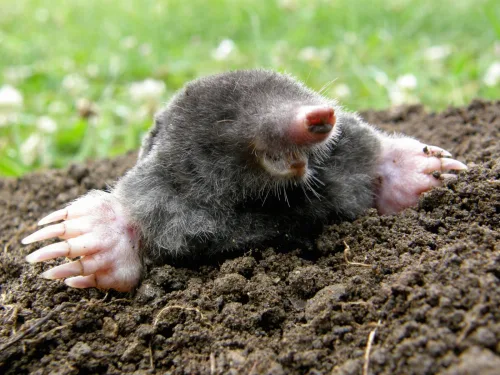
Fighting moles tempts you into a quick fix that can put you on the wrong side of the law
Fresh molehills can ruin a lawn, but the common mole is a protected species and lethal control can be illegal. Learn how to tell a mole from a vole and which lawful, effective methods actually encourage it to move on.
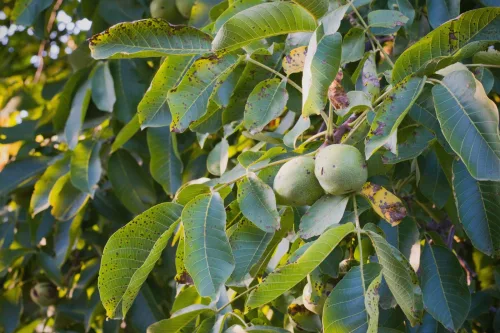
Why the Tree That Feeds a Family for Generations Is Disappearing from Czech Gardens
The English walnut used to be a staple of larger gardens and farmyards, valued for its nutritious nuts and many practical uses. With the right site and variety, it remains one of the most rewarding long-lived trees you can plant.
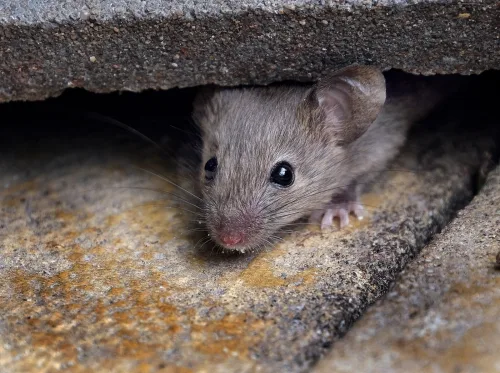
How to Get Rid of Mice and Rats in the House, Loft and Garden Effectively
Mice and rats don’t leave quietly—scratching sounds, droppings and gnaw marks are clear warnings. A lasting solution comes down to three steps: block entry points, remove food sources, then use traps or professional control.
Comments (0)
Be the first to comment.