
 English
  Polski
  Deutsch
  Nederlands
  Svenska
  Norsk
Norsk  Dansk
Dansk  Français
  Italiano
  Español
  Português
  Slovenčina
  Suomi
Suomi  Gaeilge
 Why Thornless Blackberries Don’t Release from the Stem and What to Do
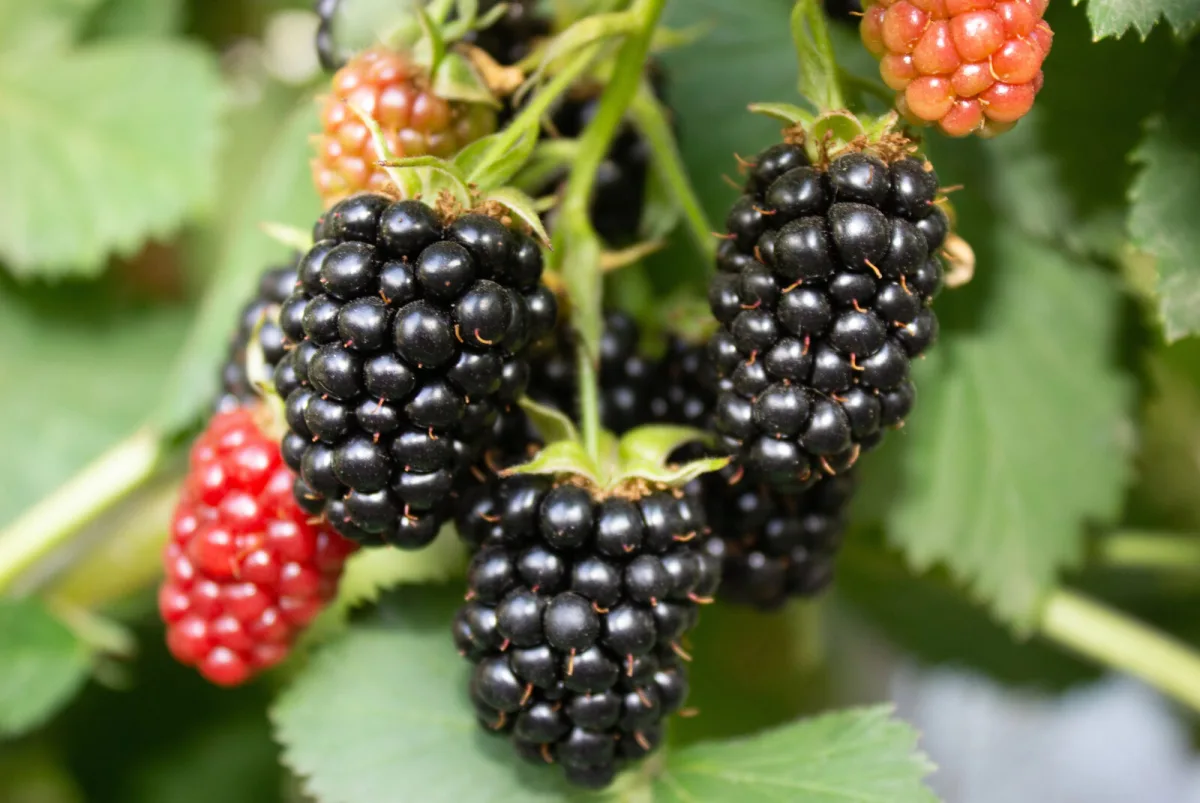
With thornless blackberries, it sometimes happens that the berries don’t want to let go of the stem when you pick them, or they detach only very reluctantly. At first glance it can look as if the plant has changed, reverted, or started producing lower-quality fruit than before. In reality, it isn’t any kind of “going wild.” The most common cause is much simpler and is linked to the conditions the bush has while the fruit is ripening.
The main cause is a lack of water
If the bushes are too dry, the berries separate poorly from the stem and resist when you try to pick them. The quality of the crop changes as well. Blackberries tend to be less juicy, feel drier, and the flavour is often more tart. When picking, they also stain your hands more easily with juice, because the berry is more likely to get squashed as it’s being pulled off rather than releasing cleanly.
You can see it clearly in practice: if you go picking blackberries the day after a good soaking rain, harvesting is usually noticeably easier. The berries are plumper, juicier, and they almost slip off the stem by themselves. That difference is usually a reliable clue that dry soil was the real problem.
Watering during dry spells will greatly improve harvesting
Thornless blackberries can tolerate a period of dryness, especially older, well-established plants, but they do best in evenly, lightly moist soil. With enough moisture, berries grow to a better size, are juicier, sweeter, and detach easily from the stem when picked. In good conditions they may even drop on their own, because fully ripe fruit is only lightly attached.
So the solution is straightforward: during dry weather, you need to water blackberries deliberately. It’s best to water directly at the roots and avoid wetting the leaves, flowers, or fruit unnecessarily.
Why you shouldn’t water over the leaves and fruit
If the above-ground parts are frequently wet, the risk of disease increases, especially grey mould (Botrytis). It can spread quickly, particularly when the planting stays damp for a long time and airflow between canes isn’t ideal. That’s why watering at the roots is both more practical and safer.
Mulch helps too, so the soil doesn’t dry out as fast
Mulching is a big help because it reduces rapid drying of the soil. Thornless blackberries usually tolerate mulch very well and often respond with better growth and yields. You can use bark, cones, or wood chips, for example. The mulch layer can be topped up throughout the year as the material breaks down or gets blown away.
Mulch has another benefit: in colder periods it works as extra protection for the root zone against hard freezing. That can make the bushes more resilient in winters that alternate between thaws and frost.
There’s no need to pull the bushes out, just adjust your care
Poor separation of the berry from the stem can be so frustrating at harvest that some growers decide to remove the bushes entirely and give up. In most cases, though, one change is enough: as soon as a drier spell arrives, give the plants water and keep the soil evenly moist. Harvesting then becomes quick and pleasant, and you can pick the berries without much effort for processing or for eating fresh.
Blackberries are also worth growing for their nutrient content
Thornless blackberries are great not only for juice, wine, jelly, or homemade preserves, but also for eating straight from the bush. The fruit contains, among other things, iron, magnesium, and vitamin C. They’re often recommended for anaemia and for people recovering from illness, because they can be an enjoyable way to top up some important nutrients.
If the berries don’t detach well from the stem, it’s usually not a variety issue but a sign the bush is suffering from drought.
So if you want blackberries to release easily when you pick them, focus mainly on watering during dry spells and on keeping moisture in the soil with mulch. The reward will be larger, juicier, sweeter berries and a harvest without unnecessary squashing and frustration.
Source: Niepodlewam, Gardening Know How, Pestrazahrada.cz

A lover of nature, gardens, and everything that moves, blooms, or grows. He literally grows everything, from herbs to rare species, and he enjoys caring for animals just as much. In his work, he connects modern technology with tried-and-tested grandmotherly methods and is happy when both paths lead to the same goal.
Related articles
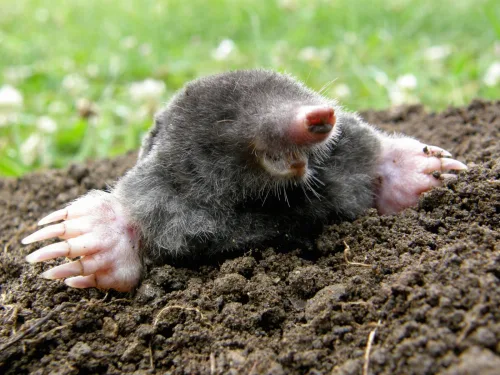
Fighting moles tempts you into a quick fix that can put you on the wrong side of the law
Fresh molehills can ruin a lawn, but the common mole is a protected species and lethal control can be illegal. Learn how to tell a mole from a vole and which lawful, effective methods actually encourage it to move on.
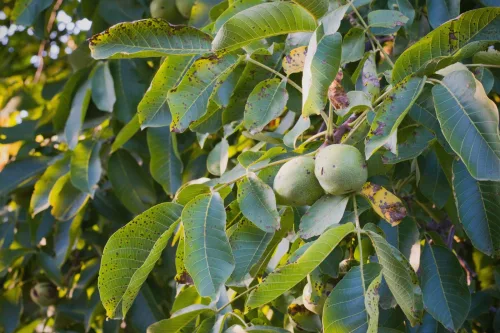
Why the Tree That Feeds a Family for Generations Is Disappearing from Czech Gardens
The English walnut used to be a staple of larger gardens and farmyards, valued for its nutritious nuts and many practical uses. With the right site and variety, it remains one of the most rewarding long-lived trees you can plant.
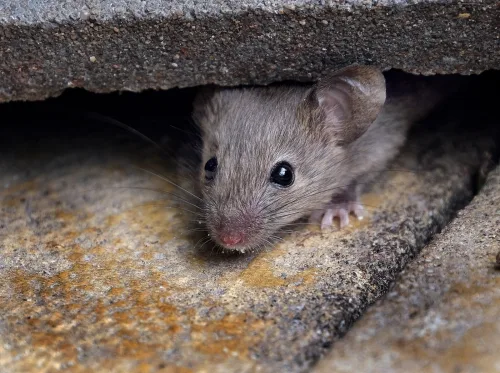
How to Get Rid of Mice and Rats in the House, Loft and Garden Effectively
Mice and rats don’t leave quietly—scratching sounds, droppings and gnaw marks are clear warnings. A lasting solution comes down to three steps: block entry points, remove food sources, then use traps or professional control.
Comments (0)
Be the first to comment.