
 English
  Polski
  Deutsch
  Nederlands
  Svenska
  Norsk
Norsk  Dansk
Dansk  Français
  Italiano
  Español
  Português
  Slovenčina
  Suomi
Suomi  Gaeilge
 July Feeding for Raspberries for Bigger Sweeter and Juicier Fruit
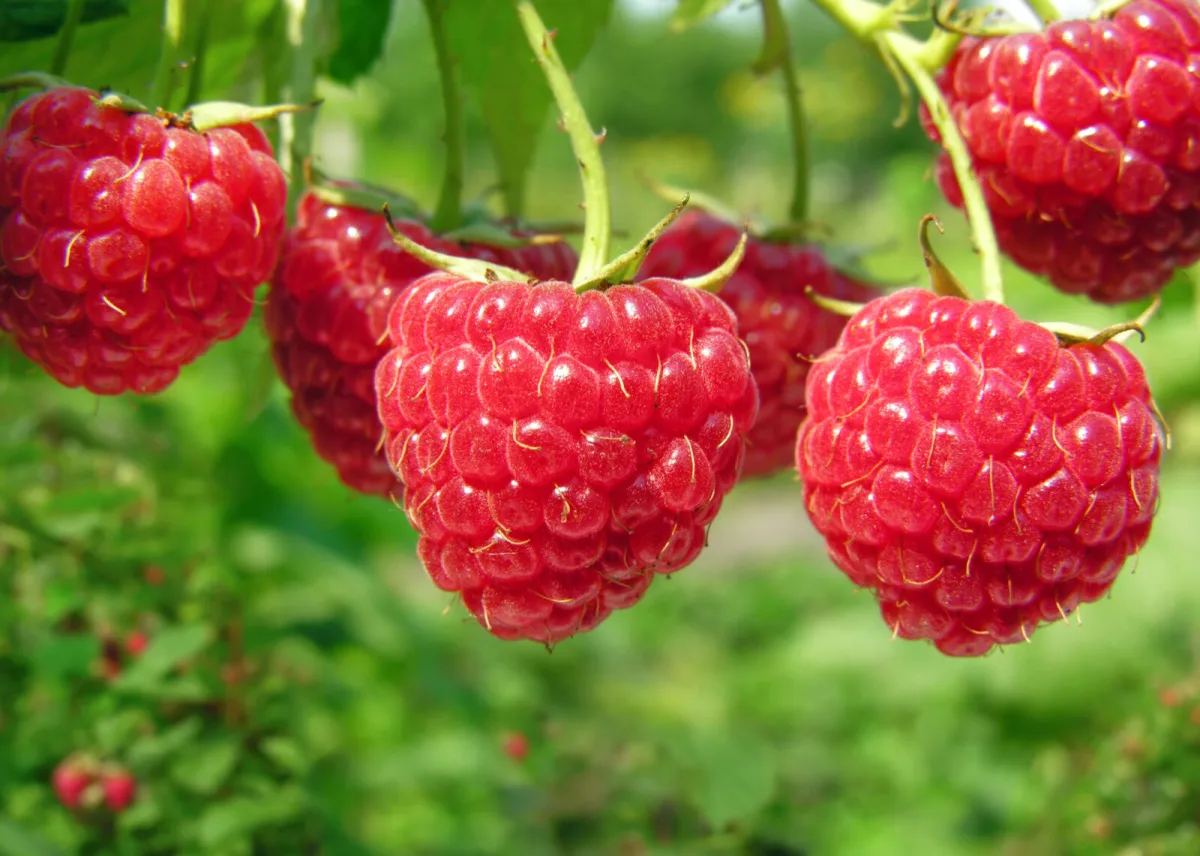
Raspberries are a summer-garden staple, but their flavour and size don’t happen by chance. July is typically the period when the canes channel the most energy into setting and ripening fruit. If you support raspberries at this stage with the right nutrition, you’ll usually pick noticeably plumper, more aromatic and juicier berries. It doesn’t require complicated routines or harsh products; what matters most is good timing and sensible dosing.
A second wave of nutrients in summer
In spring, attention often focuses on planting, a starter feed and regular watering. In summer, however, the plant keeps working hard, and many varieties set more fruit that ripens gradually right through to the end of the holidays. A July feed acts as support at the moment when it’s decided how much energy the cane can put into fruit rather than simply maintaining leafy growth.
The ideal time for summer feeding is just before the fruit ripens, when the plant can make the best use of the nutrients you provide.
At this point in the season, it’s worth reaching for gentler, natural options that don’t burden the soil unnecessarily while still boosting the vigour of the canes.
Onion skins as an understated household treasure
One simple helper can be ordinary onion skins. They contain compounds that contribute to good plant condition and support resilience. In practice, it’s a very accessible way to give raspberries a mild feed without the risk of overdoing it with chemical blends.
The method is easy: pour water over the skins and leave them to steep for a few hours so the beneficial components can leach into the infusion. Then water your raspberries with this extract roughly once a week. The key is to aim at the roots, because that’s where the plant takes up nutrients best.
Nettle tea adds strength, but requires caution
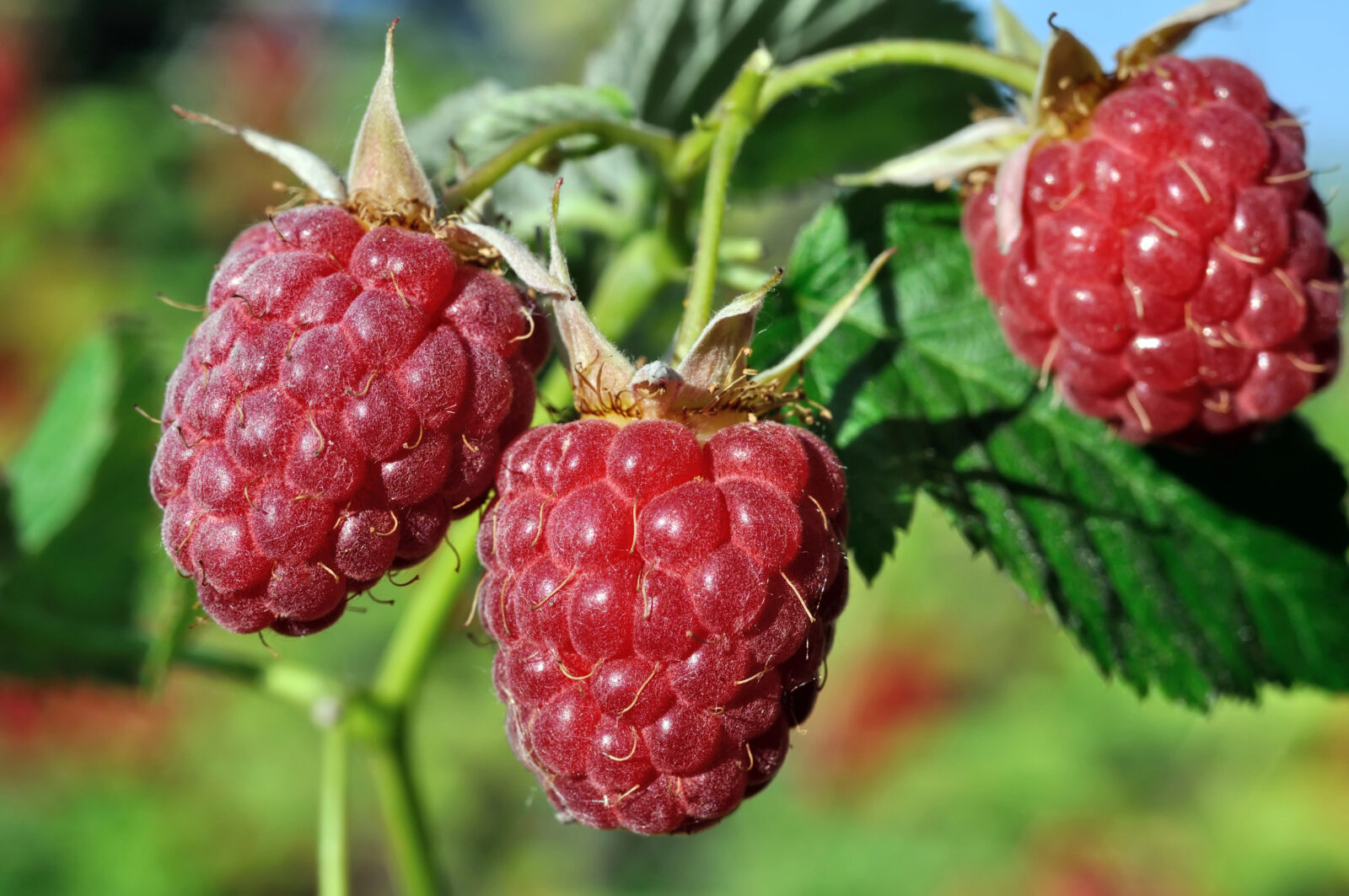
Another proven choice is nettle tea, a fermented infusion made from fresh nettles. It’s naturally rich in nitrogen, so it helps raspberries build strength, improves leaf colour and supports growth. With raspberries, this can show in the overall condition of the cane and, later, in fruit size.
The crucial point is not to overdo the concentration. A solution that’s too strong can burden the plant and cause stress rather than support. If you’re not sure, it’s better to use a weaker drench more often than one highly concentrated dose.
Watering is just as important as feeding
Even the best nutrition loses its point if your raspberries are battling drought in July. Regular, deep watering is essential, especially on hot days when the soil dries quickly. A lack of water often shows up as smaller fruit, less juiciness, and a higher susceptibility to disease, because a weakened plant defends itself poorly.
Water ideally early in the morning or in the evening, when it won’t evaporate as quickly. Avoid unnecessary wetting of the leaves, because damp foliage encourages fungal problems. The right approach is to direct water to the roots and keep the soil evenly moist, but not permanently waterlogged.
When to expect a change and what to watch
If you top up nutrients in July with a light touch and don’t neglect moisture, the results are often noticeable fairly quickly. Within a few days to two weeks, you may see stronger-looking canes and, gradually, fruit that grows larger and develops a fuller flavour. July care doesn’t hinge on complicated chemistry, but on consistency, good timing and ingredients that are commonly within reach at home and in the garden.
Source: Rural Sprout, The Spruce, Pestrazahrada.cz

A lover of nature, gardens, and everything that moves, blooms, or grows. He literally grows everything, from herbs to rare species, and he enjoys caring for animals just as much. In his work, he connects modern technology with tried-and-tested grandmotherly methods and is happy when both paths lead to the same goal.
Related articles
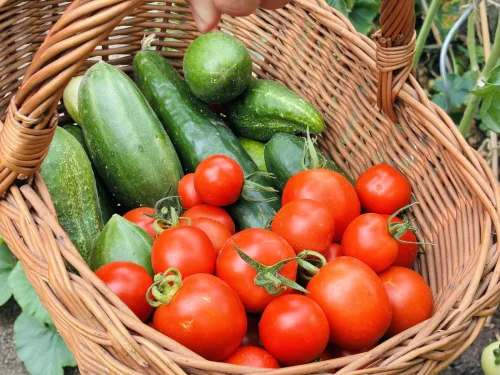
The More Often You Harvest, the Longer Plants Keep Cropping
With fruiting vegetables, frequent picking keeps plants flowering and producing for longer. A few crops, such as aubergines, are tastiest when harvested slightly earlier rather than fully mature.
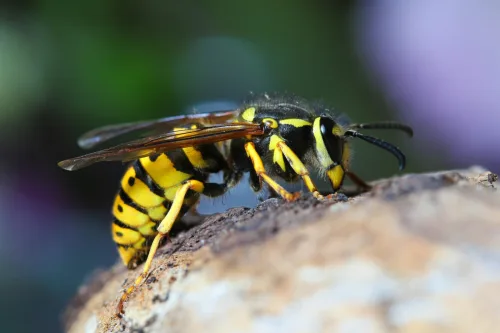
Wasps Aren’t Just a Barbecue Menace They Can Ruin Your Garden Woodwork Too
Weathering isn’t always the main culprit behind damaged outdoor timber. Wasps can scrape fibres from boards and beams surprisingly fast, leaving grooves that soak up water and accelerate decay.
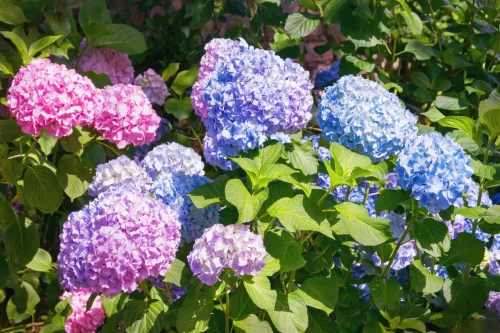
Why hydrangeas wilt in summer even when watered and how to save them fast
Hydrangeas can look limp in hot weather even if you’ve been watering faithfully. The key is to check what’s happening in the root zone, then adjust watering, shade and mulching so the plant can actually use the moisture available.
Comments (0)
Be the first to comment.