
 English
  Polski
  Deutsch
  Nederlands
  Svenska
  Norsk
Norsk  Dansk
Dansk  Français
  Italiano
  Español
  Português
  Slovenčina
  Suomi
Suomi  Gaeilge
 How to Choose the Perfect Watermelon Every Time
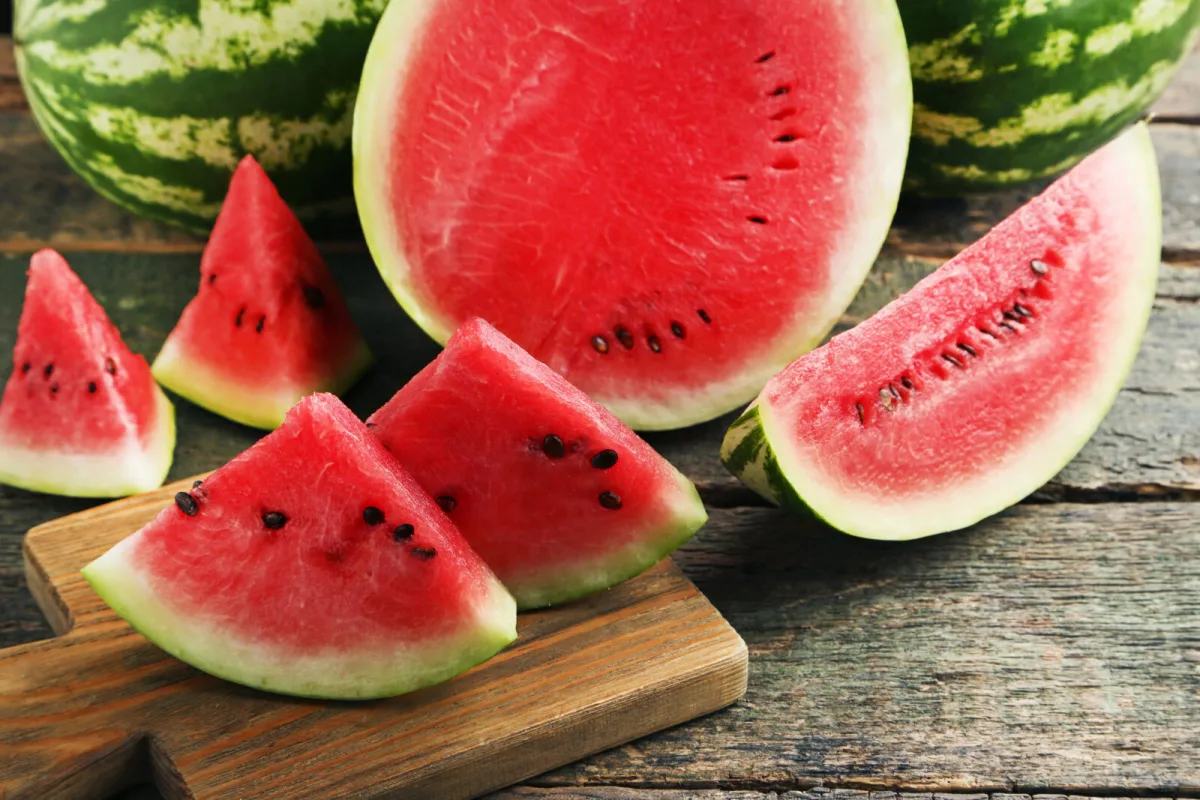
Watermelon is the ultimate summer refresher, but the wrong choice often means hauling home several kilos of bland, mealy, barely sweet flesh. Instead of picking at random, you can follow a few simple cues that reveal whether the melon is truly ripe, juicy and full of flavour inside. If you check them at every purchase, you’ll greatly increase your chances of bringing home the best one.
The rind should be sound and on the matte side
Start by looking at the surface. The ideal watermelon has no cracks, bruises, soft spots or suspicious patches that could indicate damage or early mould. The overall look of the rind matters too. A ripe watermelon usually appears more matte, while an overly glossy surface often points to an under-ripe fruit.
The field spot shows how long it ripened on the ground
On one side of the melon there’s typically a paler patch where it rested on the ground. The more creamy yellow to deep yellow this area is, the better—it usually means it had longer to ripen. A white or greenish spot often suggests it was picked too early and the flavour may be weaker.
Sometimes you’ll also notice greyish, irregular little scars or fine netted scabbing. Take these as a good sign: they can be marks from sugar seeping out, which often correlates with sweeter flesh.
Weight matters more than you’d think
Watermelon is mostly water, so for its size it should feel surprisingly heavy. If you’re unsure, compare two melons of a similar diameter and choose the one that feels denser. A melon that’s too light may be over-mature, losing moisture—then the flesh tends to be dry and mealy.
The tapping sound hints at ripeness
A simple knuckle tap test also helps. A ripe watermelon typically sounds deep, hollow and full. If the sound is more dull and lacks resonance, it may be less juicy inside or still under-ripe.
If you’re unsure, ask for it to be cut
If you’re choosing between two favourites and it’s possible, ask the staff whether they can cut the melon. Supermarkets often can; at a market stall it may be trickier. Ideally, look for deep red flesh and seeds that are dark brown to black—these signs usually go hand in hand with a more fully developed flavour.

What to do if you bring home an under-ripe watermelon
It can happen to anyone. If a melon doesn’t meet expectations, some shops will accept a return with the receipt. Another option is to use it in the kitchen—for example in drinks or recipes where you can boost the flavour with other ingredients.
Finally, cut it the practical way and enjoy
Once you’ve got a good watermelon, it pays to choose a fuss-free way to cut it. Instead of classic triangles with rind—which leave hands (and kids) sticky—it's more practical to cut the flesh into hand-held sticks or cubes for salads. Eating is cleaner and quicker, and most importantly you’ll enjoy that juicy, sweet flavour all the more.
Source: 5-Minute Crafts, Test kitchen, Pestrazahrada.cz

A lover of nature, gardens, and everything that moves, blooms, or grows. He literally grows everything, from herbs to rare species, and he enjoys caring for animals just as much. In his work, he connects modern technology with tried-and-tested grandmotherly methods and is happy when both paths lead to the same goal.
Related articles
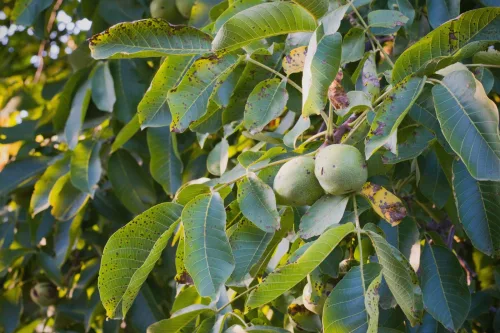
Why the Tree That Feeds a Family for Generations Is Disappearing from Czech Gardens
The English walnut used to be a staple of larger gardens and farmyards, valued for its nutritious nuts and many practical uses. With the right site and variety, it remains one of the most rewarding long-lived trees you can plant.

How to Get Rid of Mice and Rats in the House, Loft and Garden Effectively
Mice and rats don’t leave quietly—scratching sounds, droppings and gnaw marks are clear warnings. A lasting solution comes down to three steps: block entry points, remove food sources, then use traps or professional control.
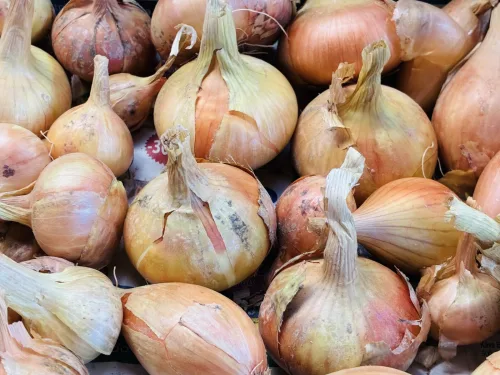
Two Mistakes When Harvesting Onions Can Cut Your Supply by Months
With good growing and the right handling, onions can turn into a near year-round pantry staple. These simple harvest and curing steps determine whether they keep for weeks or for months.
Comments (0)
Be the first to comment.