
 English
  Polski
  Deutsch
  Nederlands
  Svenska
  Norsk
Norsk  Dansk
Dansk  Français
  Italiano
  Español
  Português
  Slovenčina
  Suomi
Suomi  Gaeilge
 When to Harvest Potatoes and Why You Should Never Dig Them in Wet Soil
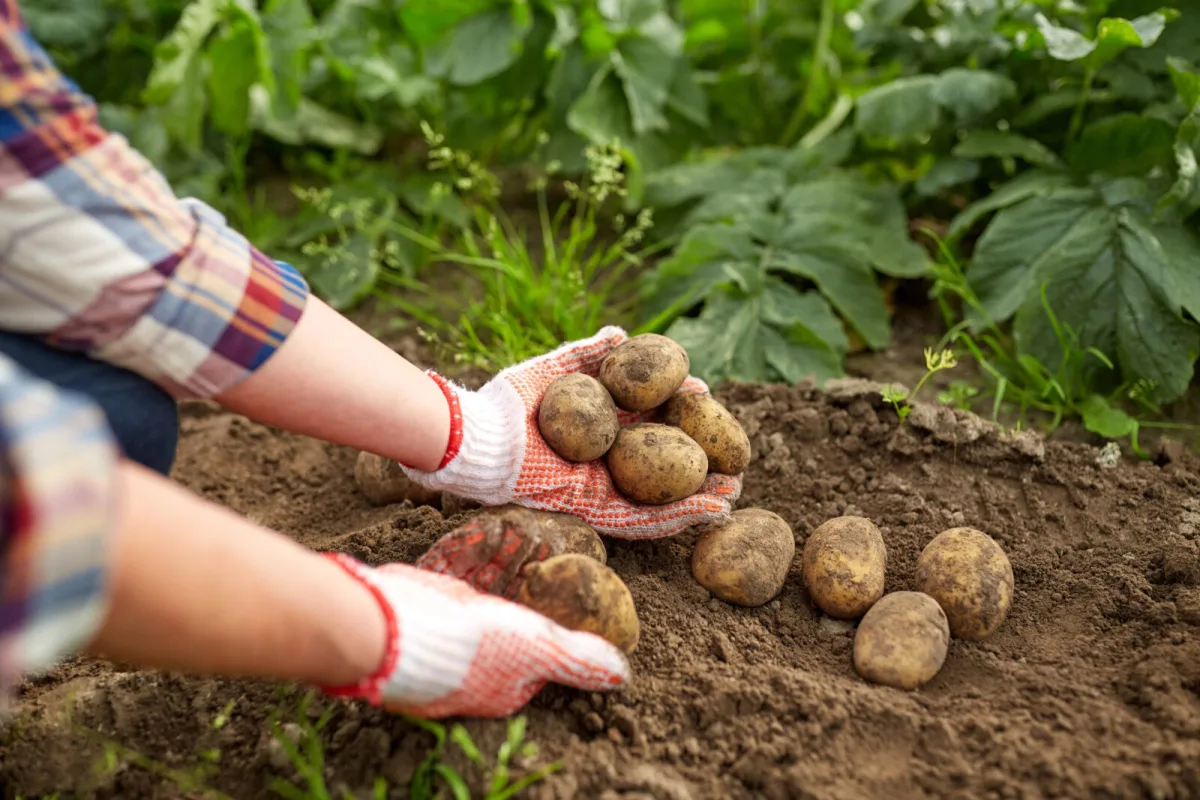
Potatoes are among the vegetables even a beginner can grow successfully. Even so, there’s one moment that leaves many growers unsure: when, exactly, it’s time to take a spade to the bed. Unlike crops that ripen above ground, potato tubers develop hidden in the soil. So you can’t keep checking the crop just by looking, and you need to go mainly by what the foliage looks like and what conditions are like in the bed.
How to tell when potatoes are ready to dig
The main clue is the end of the growing season. For most commonly grown varieties, harvest time falls around late September to early October, depending on the weather and planting date. What matters most is the look of the haulm. Once the leaves start to yellow, flop over, and gradually dry down, the plant is finishing growth and the tubers are maturing.
When the haulm is mostly dry, it’s tempting to pull the potatoes straight away. For storage, though, a short wait often pays off. If you hold off for about another two weeks after the haulm has died back, the tubers will usually form a tougher skin. That protects them during handling and also reduces the risk of losses later in storage.
It’s not just about the date, but the quality of the skin
The better set the skin is, the less chance you’ll scuff or damage the potatoes while digging. Damaged tubers don’t keep as well, rot faster, and often become an entry point for disease. Waiting briefly after the haulm has matured is a practical step that can decide whether you’ll be eating your harvest gradually into winter, or dealing with spoiled potatoes after just a few weeks.
Gentle digging without unnecessary losses
At harvest, it helps to think about sorting right there in the bed. It works well to prepare two containers and separate the potatoes as you dig. Work carefully with a spade or garden fork and try to go into the soil a little away from the clumps so the tool doesn’t go straight into the tubers. Even with the best care, though, you may still spear or slice the odd potato.
That kind of damage doesn’t have to be a disaster, you just need to respond properly. Put injured tubers aside and don’t count on them for long-term storage. It’s best to use them in the kitchen as soon as possible, because they spoil faster and can also ruin the rest of the stored crop.
When you should definitely not pull potatoes
Potatoes should not be harvested during rain or immediately after it.
The most important warning is about moisture. Ideally, plan harvest for a dry day when the soil is crumbly rather than waterlogged. Wet soil sticks to the tubers, is hard to remove, and above all increases the risk of disease spreading and subsequent rot. Moisture is a problem not only while digging, but also during storage, because carried-in wet soil and sweating can shorten the shelf life of the whole batch.
If it has rained, it’s usually better to wait a few days for the bed to dry out again. Delaying harvest in this situation is the lesser evil compared to trying to get it done immediately. You’ll save yourself the disappointment of an otherwise nice crop starting to spoil because of conditions you could easily influence.
What to do with potatoes right after harvest
Freshly dug potatoes need to dry first. Leave them for a few hours in an airy, shaded place so excess moisture can evaporate. Direct sun isn’t suitable, though, because it encourages greening. Then remove clinging soil, ideally gently and without using water. Washing before storage is a common mistake, because extra moisture increases the risk of rot.
Proper storage will extend shelf life
For long-term keeping, potatoes need darkness, cool temperatures, and dryness. A temperature of roughly 4 to 10 °C works well, along with a space that can be ventilated, such as a cellar or cool pantry. Light is the enemy, because it causes greening and the formation of solanine, a substance that is toxic in higher doses. Air circulation matters too, so crates with openings or breathable mesh sacks are ideal.
While in storage, it’s worth checking the potatoes now and then. As soon as you find any that are softening, rotting, or sprouting heavily, remove them. That prevents the problem from spreading to other tubers and keeps your supply in good condition for as long as possible.
Source: Gardenary, Rural Sprout, Pestrazahrada.cz

A lover of nature, gardens, and everything that moves, blooms, or grows. He literally grows everything, from herbs to rare species, and he enjoys caring for animals just as much. In his work, he connects modern technology with tried-and-tested grandmotherly methods and is happy when both paths lead to the same goal.
Related articles
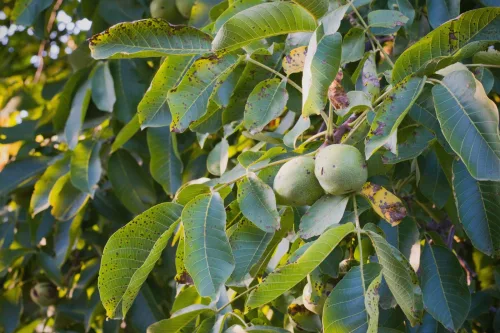
Why the Tree That Feeds a Family for Generations Is Disappearing from Czech Gardens
The English walnut used to be a staple of larger gardens and farmyards, valued for its nutritious nuts and many practical uses. With the right site and variety, it remains one of the most rewarding long-lived trees you can plant.
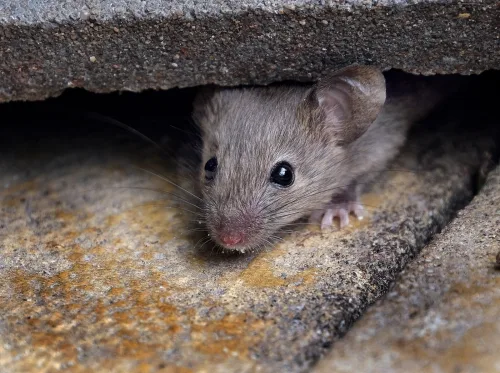
How to Get Rid of Mice and Rats in the House, Loft and Garden Effectively
Mice and rats don’t leave quietly—scratching sounds, droppings and gnaw marks are clear warnings. A lasting solution comes down to three steps: block entry points, remove food sources, then use traps or professional control.
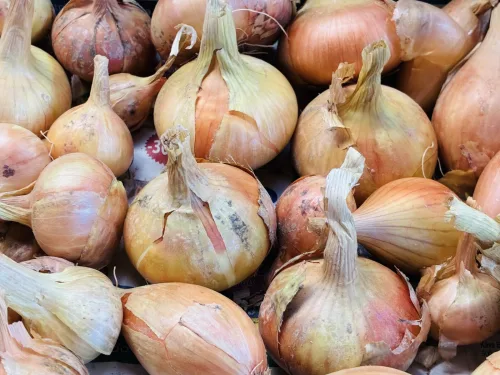
Two Mistakes When Harvesting Onions Can Cut Your Supply by Months
With good growing and the right handling, onions can turn into a near year-round pantry staple. These simple harvest and curing steps determine whether they keep for weeks or for months.
Comments (0)
Be the first to comment.