
 English
 Polski
 Deutsch
 Nederlands
 Svenska
 Norsk
 Dansk
 Français
 Italiano
 Español
 Português
 Slovenčina
 Suomi
 Gaeilge
One mistake when winterising hydrangeas will cost you flowers
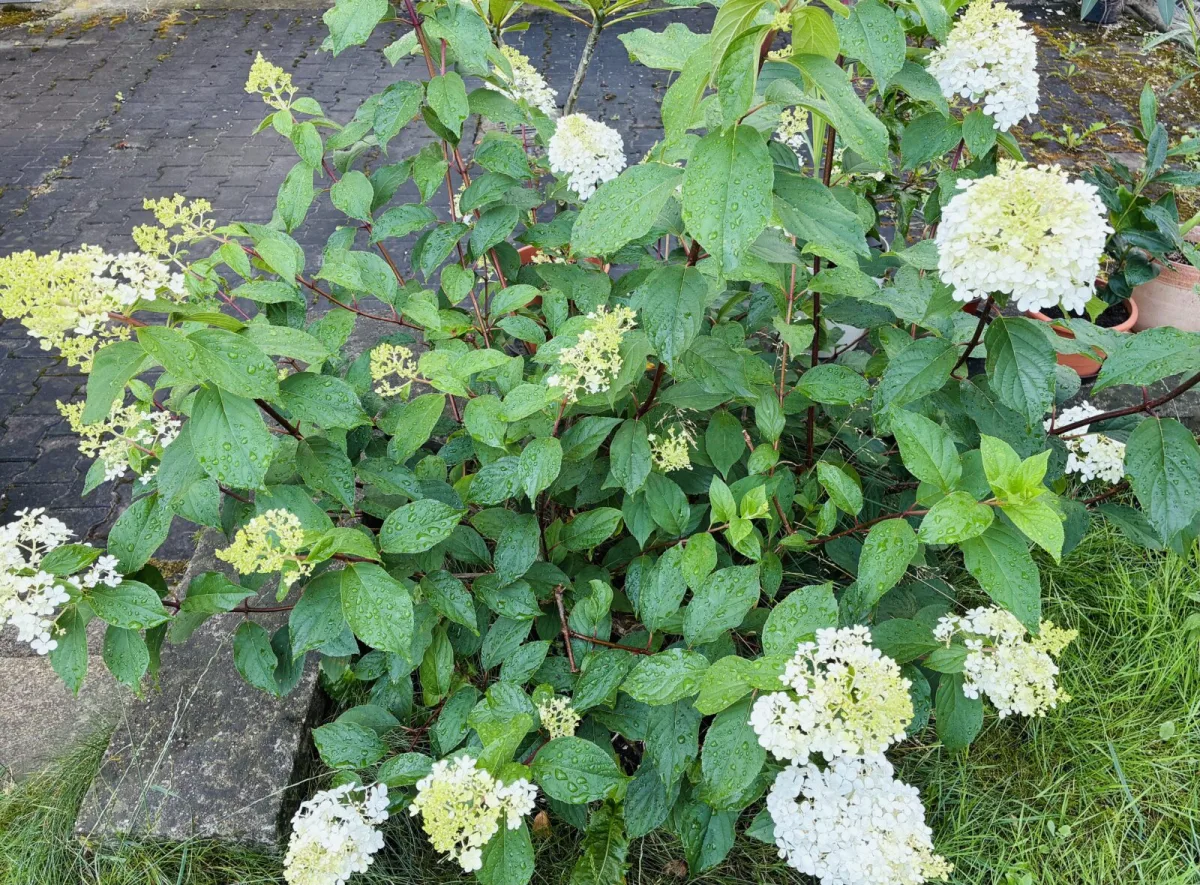
The condition your hydrangeas come through winter in directly affects how well they flower next season. If the shrubs are hit by hard frost, drying winds, or repeated freeze–thaw cycles, they may break bud weakly in spring and set only a few flowers in summer, or fail to bloom altogether. That’s exactly why it pays to think about protecting plants before the first frosts arrive and to keep up care until the risk of late spring frosts has passed.
Hydrangeas are often seen as fairly easy-going ornamental shrubs, but winter is their real test. Not all types respond to cold in the same way, so it’s important to know which kind you’re growing and what it actually needs.
Cold hardiness of different hydrangeas
Some hydrangeas cope with frost far better than others. Among the hardiest are panicle hydrangea (Hydrangea paniculata) and smooth hydrangea (Hydrangea arborescens). These flower on new wood, meaning on shoots formed in the current year. So even if winter damages part of last year’s branches, the plant can still put on new growth and bloom.
By contrast, with bigleaf hydrangeas and other types that form flower buds on old wood, winter protection is much more important. The flower buds are set in the previous season and have to survive until spring. If those buds freeze or dry out, the shrub may still leaf out, but flowers won’t appear.
What winter damage really means
Winter damage isn’t only about freezing. Plants are also harmed by prolonged wind, which pulls moisture from stems and buds while roots can’t replace it from frozen soil. The result can be dieback of buds, shoot tips, and even whole branches.
Often you won’t notice the problem until spring. Hydrangeas are slow to leaf out, no fresh green shoots appear, and parts of the shrub stay dry and lifeless. Prevention means protecting both the top growth and the root zone before the harshest part of winter.
How to prepare hydrangeas for winter
Compost to support spring growth
In autumn, it helps to add a layer of well-rotted compost around the shrubs. Spread it around the base of the plant; over winter it will gradually break down. This enriches the soil with nutrients the hydrangea will use for spring growth and subsequent flower production.
Watering still matters before winter
Hydrangeas are thirsty plants, and that remains true in cold weather. Dry winter air and wind can desiccate them more than you might expect. Keep watering until the soil is genuinely frozen. In areas where the ground doesn’t freeze, you can continue careful watering through winter, especially during long dry spells.
Mulch protects roots from temperature swings
One of the most effective steps is a thicker mulch layer around the shrub. Straw, leaves, or another airy material works well. Mulch helps keep soil temperatures more even, protects roots from deep freezing, and limits damaging freeze–thaw cycles that can literally heave the root system out of the ground.
It’s best to apply mulch once the soil has started to cool or is lightly frozen. If you put it down too early, it can create a cosy hiding place for pests.
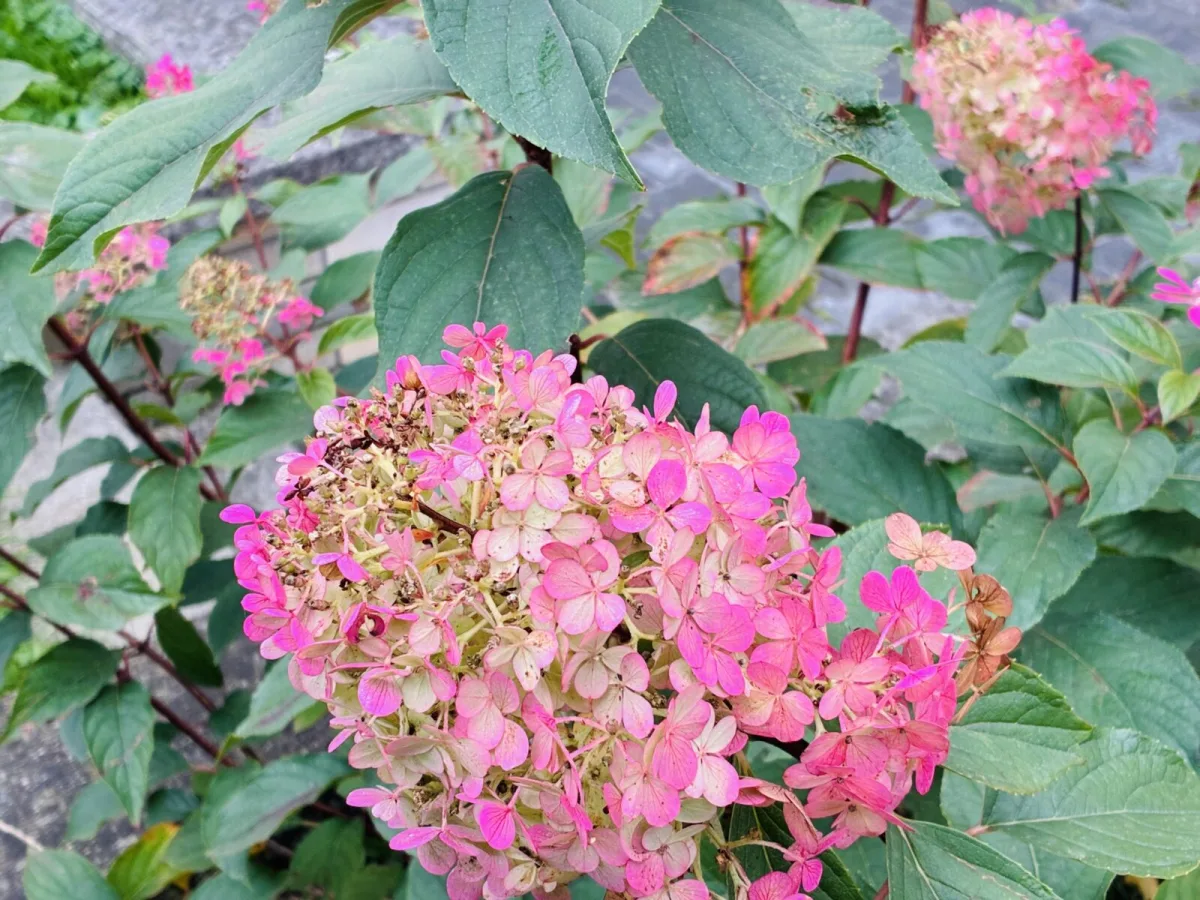
How to protect shrubs in hard frost
In very cold regions, it’s sensible to combine mulch with physical protection. You can drive stakes around the hydrangea and wrap them with hessian/burlap or a similar breathable fabric. This cover softens the impact of frost and drying winds.
Another option is to make a simple wire mesh cage around the plant. Fill the inside with dry leaves or conifer needles, which act as an insulating layer. Oak leaves work particularly well because they don’t collapse as quickly. Through winter, check whether the filling has settled and top it up if needed.
When covering the shrub, take care around the tips of the branches. That’s where next season’s flower buds are often found, and snapping them off would undo all your winter protection efforts.
Caring for hydrangeas through winter
Once the plants are winterised, they don’t require much work, but regular checks are worthwhile. If there’s no rain in winter and the soil isn’t frozen, give hydrangeas an occasional deep watering. Also watch for wind that may have blown away mulch or damaged a burlap wrap.
Snow can help too. A continuous layer of snow acts as natural insulation and protects the shrub from sudden cold snaps. Bare, snowless frosts are generally far riskier for hydrangeas.
Overwintering container-grown hydrangeas
Hydrangeas in pots are more vulnerable in winter than those planted in the ground. Roots in containers freeze faster because they aren’t insulated by surrounding soil. The safest solution is to move the plant before the first hard frosts to a cool garage, cellar, or another bright or darker space where temperatures stay above freezing.
These plants don’t need to be kept in active growth over winter. It’s better to let them rest. If the container is too heavy to move, you can at least sink it into the ground or wrap the pot and top growth thoroughly, much like shrubs planted in the garden.
Don’t rush pruning hydrangeas in winter
Many gardeners are tempted to cut hydrangeas back in autumn or early winter, but it’s not ideal. Pruning can encourage fresh growth that is then damaged by frost. A better time is late winter or early spring.
Once again, it’s crucial to know the exact type of hydrangea. Some bloom on new growth, others on last year’s wood. Poorly timed or overly hard pruning can mean losing flowers for the entire season. The only branches you should remove as you go are those that are dead, diseased, or clearly damaged.
It’s also important to use clean tools when pruning so diseases aren’t spread between plants. Disinfecting secateurs is a simple step that can prevent unnecessary problems.
The right protection pays off with abundant blooms
Winter care for hydrangeas isn’t complicated, but it definitely doesn’t pay to underestimate it. Good moisture before the ground freezes, a layer of mulch, extra covering where needed, and caution with pruning are among the most important measures. Especially with varieties that flower on old wood, good winter protection can decide whether you get a summer full of blooms or just a green shrub without a single splash of colour.
Anyone who gives hydrangeas a little attention in autumn and winter has a much better chance of being rewarded next summer with healthy growth and beautiful, reliable flowering.
Source: Gardening Know How, RHS , Pestrazahrada.cz

A nurse by profession, she is passionate about healthy living, nature, and everything that benefits both people and the world around them. In her free time, she enjoys gardening, cooking, sewing, and caring for her family. In her articles, she loves combining professional expertise with practical experience from the garden and everyday life.
Related articles
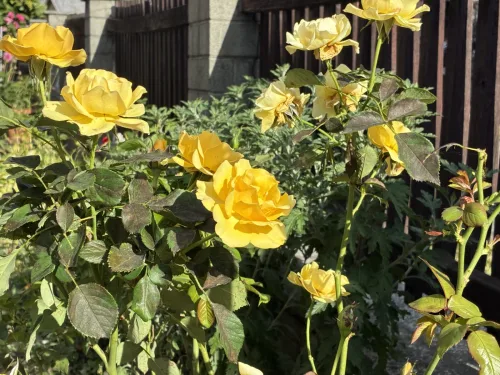
Do You Prune Roses in Autumn You Might Be Doing More Harm Than You Think
Autumn rose care is less about hard pruning and more about helping plants slow down naturally and protecting the crown from winter swings. Stop deadheading and feeding, tidy up only what’s necessary, and focus on mulching the base well.
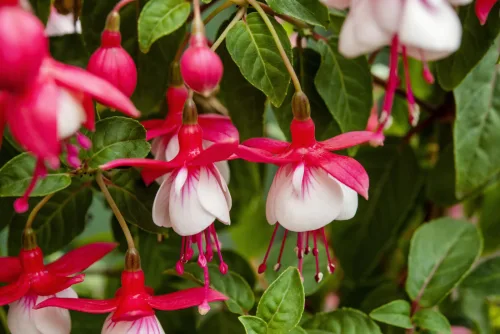
Don’t Throw Away Fuchsias After the Season With Proper Overwintering They’ll Bloom for Years
Most fuchsias don’t need to be replaced every year. With timely preparation, the right pruning, and frost-free winter storage, they’ll come back strong and flower beautifully for years.
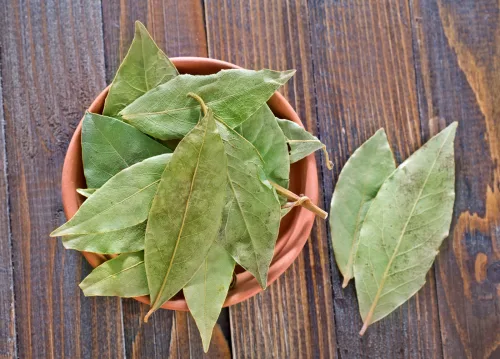
Experienced Houseplant Growers Put a Kitchen Staple in the Pot and Fungus Gnats Avoid the Compost
If you’d rather avoid unnecessary chemicals, bay leaves can be a simple, gentle helper for indoor plants. Used as a cooled infusion or placed dry in the pot, they can support growth and help deter pests such as fungus gnats.
Comments (0)
Be the first to comment.