
 English
  Polski
  Deutsch
  Nederlands
  Svenska
  Norsk
Norsk  Dansk
Dansk  Français
  Italiano
  Español
  Português
  Slovenčina
  Suomi
Suomi  Gaeilge
 Proper Post-Harvest Pruning of Currants Is the Key to More Fruit and Healthier Bushes
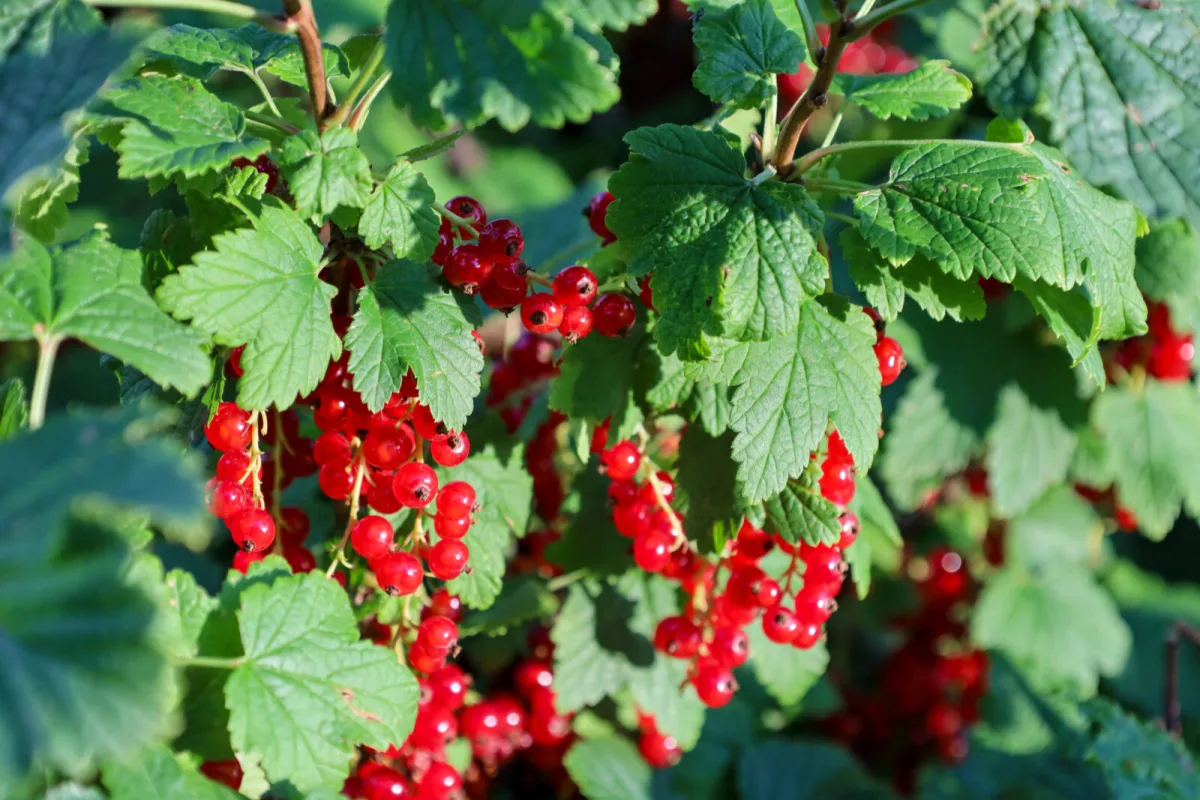
Once the berries are picked, many growers leave their bushes alone until autumn, or even until spring. That’s often exactly why currants weaken the following year, set fewer flower buds, and the crop then drops noticeably. The post-harvest period is crucial for the bush: it stores energy for the next season, finishes shoot growth, and forms the buds that decide how much fruit you’ll pick next time.
These aren’t complicated interventions, more a few regular steps you can do in a short time. Timing is what matters. What you do in summer and early autumn shows up in the bush’s health and in the quantity and size of berries next year.
Post-harvest pruning as the foundation of future cropping
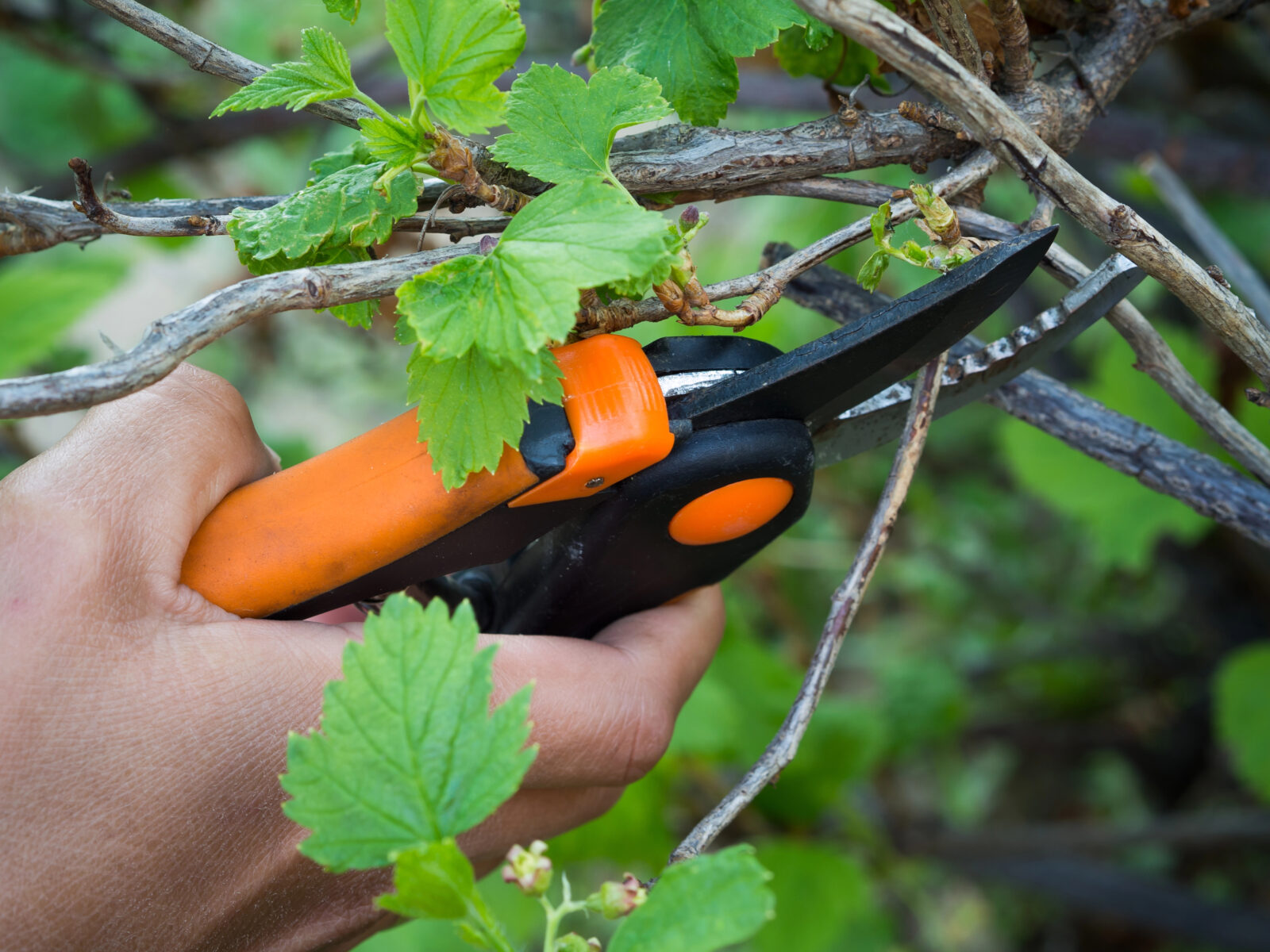
The best moment to prune is right after harvest. The bush is still actively growing, wounds heal better, and you also encourage strong new shoots. Always use sharp secateurs so cuts are clean and the tissue doesn’t tear.
Remove mainly old, weak or low-lying branches that thicken the bush, block light and are often less productive. With redcurrants, it’s also worth paying attention to branches with noticeably changed or distorted bark, as they may be weakened or damaged. The aim is an open, airy bush with plenty of light, keeping mostly strong, younger branches that will carry the most fruit next year.
What the right pruning result should look like
A well-managed currant shouldn’t look like a dense tangle of branches, but a clear, well-spaced bush that light and air can pass through. That reduces disease pressure, improves wood ripening, and supports better bud formation.
Don’t strip the leaves and why it’s risky
Sometimes manual leaf removal is recommended, especially for blackcurrants, on the assumption that the plant’s energy will move into the buds faster. But this approach is problematic. Leaves have a protective role, and without them the buds can be exposed to intense sun, which may damage them. On top of that, leaves continue to top up reserves through photosynthesis—reserves the bush needs for the next season.
With red and white currants, leaves often last well into autumn anyway. Let them finish naturally; just watch whether they’re heavily affected by disease, and deal with any infected parts with targeted treatment or hygienic clean-up.
Propagating currants from cuttings makes use of what would otherwise be wasted
Pruned branches don’t have to end up on the compost heap. Currants are fairly easy to propagate from cuttings, and even a beginner can do it. From suitable, healthy shoots you can prepare cuttings and start new bushes. In good conditions currants grow quickly and can begin cropping relatively soon, so this is an easy way to expand your planting or replace old, low-yielding bushes.
Watering after harvest decides next year’s buds
Currant yields are closely linked to even soil moisture. Redcurrants tolerate drought better, but blackcurrants react much more sensitively to dry spells. With too little water they may drop leaves and buds, which then shows up as a reduced harvest. So it pays not to neglect watering even after harvest.
Ideally, keep the soil lightly moist, not waterlogged. Water deeply so moisture reaches the roots rather than just wetting the surface. A stable moisture routine also helps shoots ripen, making them better able to cope with winter.
Loosening the soil and weeding with the roots in mind
Well-aerated soil benefits currants because roots have better access to oxygen and the plant takes up water and nutrients more efficiently. Regular shallow loosening around the bush is therefore useful, as is ongoing removal of weeds that compete with currants.
With blackcurrants, however, you need to be careful. Their roots tend to sit fairly close to the surface, so deep digging or aggressive hoeing can damage the root system. With redcurrants the risk is a little lower, but a gentle approach is always the safer choice.
Feeding after harvest replaces what the crop has taken
During berry formation and ripening, currants use a large amount of nutrients. After harvest it’s a good idea to strengthen the soil again so the bush has what it needs to build new shoots and set buds. Practical options are complete mineral fertilisers formulated for soft fruit, which supply the main elements in readily available forms.
You can also spread an organic material around the bush to improve soil structure and support soil life over the long term. The key is to apply sensibly and avoid overfeeding, because excess nutrients can lead to unwanted growth at the expense of proper wood ripening.
An autumn strategy shift with no excess nitrogen
As the season progresses, it’s best to reduce nitrogen fertilisers. Toward late summer and autumn, potassium and phosphorus products should be prioritised to help shoots ripen properly. That reduces the risk of frost damage and the bush goes into winter in better condition.
Protection from diseases and pests after cropping
After fruiting, currants often lose some vitality and can be more prone to diseases and pest attack. That’s why it pays to check not only bushes with obvious issues, but also those that look healthy. Early prevention is usually easier than dealing with an outbreak that can carry over into the next season.
Late summer and early autumn are also a good time to plan further work, such as moving a bush or improving the site. If you’re going to transplant, make sure it has time to re-root and isn’t unnecessarily pushed with nitrogen, which would encourage soft growth that’s susceptible to frost.
A final watering before winter and a simple summary
Before temperatures drop, it’s worth watering currants thoroughly so they go into winter with enough moisture. Dry soil and winter weather swings can weaken roots and buds, while a well-watered bush generally overwinters more steadily. If you combine timely pruning, sensible watering, gentle cultivation, replenishing nutrients and preventive protection, your currants will reward you next year with a noticeably heavier, better-quality harvest.
Source: Thompson & Morgan, RHS, GrowVeg, Pestrazahrada.cz

A lover of nature, gardens, and everything that moves, blooms, or grows. He literally grows everything, from herbs to rare species, and he enjoys caring for animals just as much. In his work, he connects modern technology with tried-and-tested grandmotherly methods and is happy when both paths lead to the same goal.
Related articles
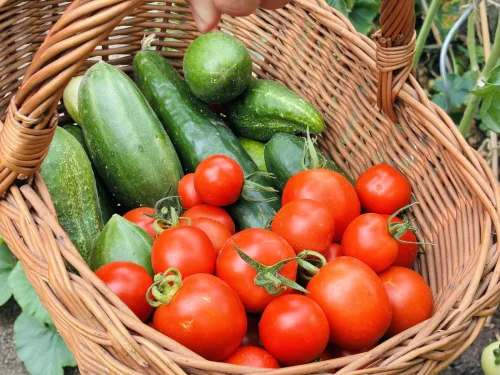
The More Often You Harvest, the Longer Plants Keep Cropping
With fruiting vegetables, frequent picking keeps plants flowering and producing for longer. A few crops, such as aubergines, are tastiest when harvested slightly earlier rather than fully mature.
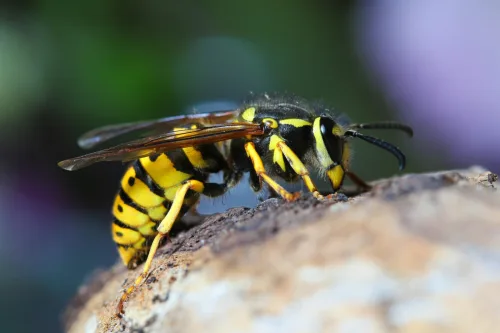
Wasps Aren’t Just a Barbecue Menace They Can Ruin Your Garden Woodwork Too
Weathering isn’t always the main culprit behind damaged outdoor timber. Wasps can scrape fibres from boards and beams surprisingly fast, leaving grooves that soak up water and accelerate decay.
Why hydrangeas wilt in summer even when watered and how to save them fast
Hydrangeas can look limp in hot weather even if you’ve been watering faithfully. The key is to check what’s happening in the root zone, then adjust watering, shade and mulching so the plant can actually use the moisture available.
Comments (0)
Be the first to comment.