
 English
  Polski
  Deutsch
  Nederlands
  Svenska
  Norsk
Norsk  Dansk
Dansk  Français
  Italiano
  Español
  Português
  Slovenčina
  Suomi
Suomi  Gaeilge
 Gardening Tips to Boost Your Currant Crop and Keep Bushes Strong and Healthy
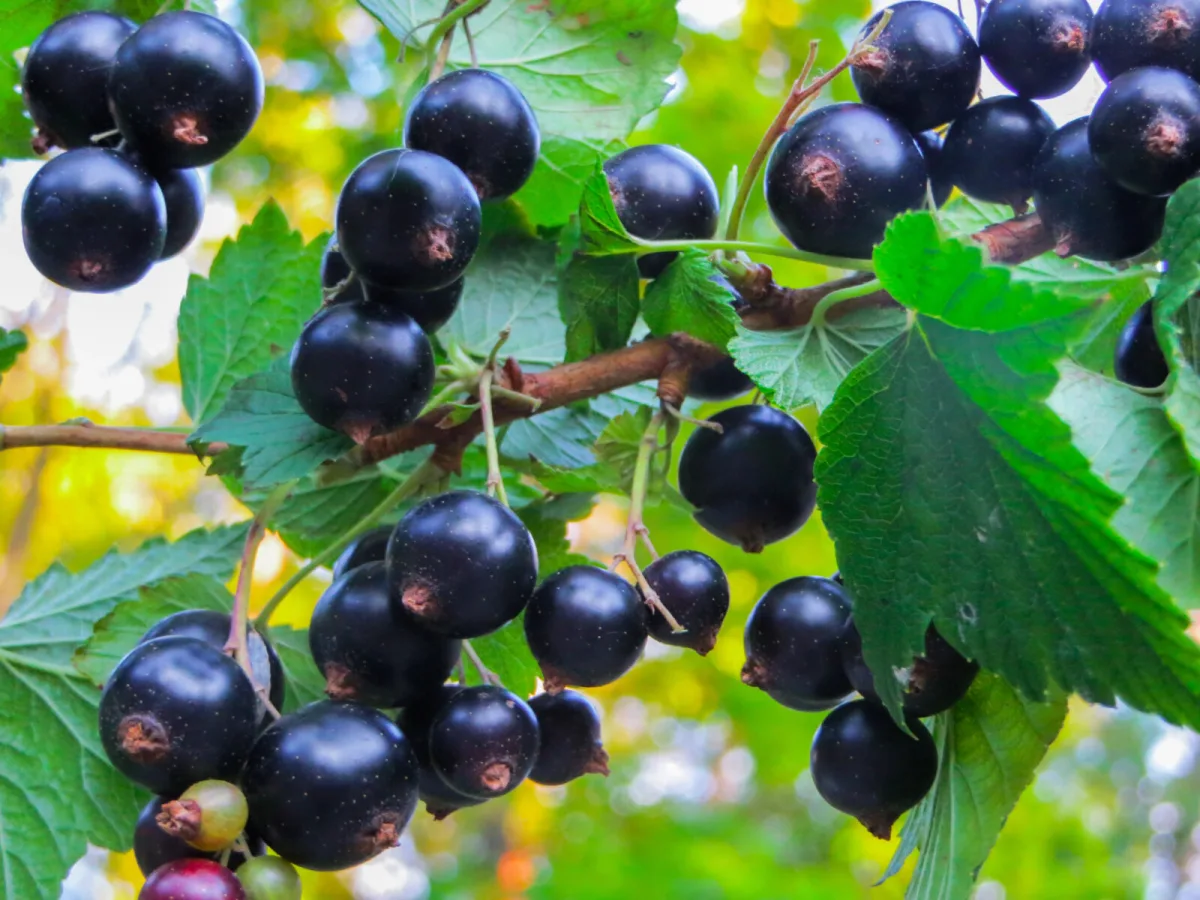
Many growers give currants most of their attention in spring and during ripening, but once the berries are picked, the bushes are often left without care. Yet mid-summer and early autumn are crucial for how much fruit will form next season. After harvest, the plant rebuilds its reserves, sets buds and prepares new growth for winter. If everything is put off until late autumn or even spring, the bush can be unnecessarily weakened and the crop is often lighter.
Pruning after harvest is the foundation of strong bushes
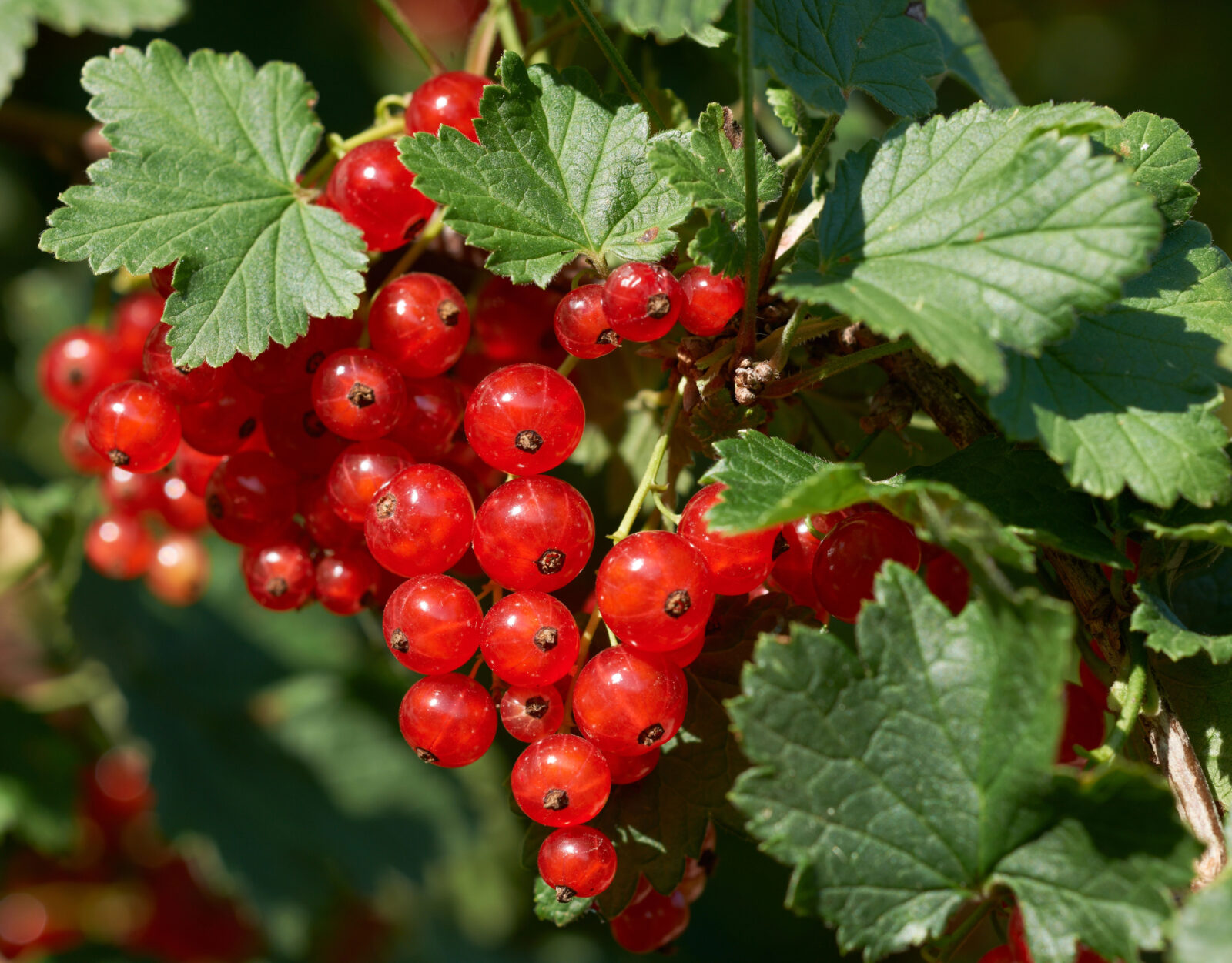
It’s best to prune as soon as the fruiting is finished, shortly after harvest. Use sharp secateurs so cuts are clean and heal well. Remove mainly old branches, weak shoots, and those growing too low and needlessly thickening the bush. With redcurrants, it’s also worth removing branches with damaged or noticeably deformed bark.
The goal isn’t to shrink the bush at all costs, but to keep plenty of space and light within it. In practice, it works well to keep mostly young, strong canes that will carry fruit next year. This improves airflow, reduces disease pressure and leads to better-quality fruit.
Skip hand-stripping the leaves
Now and then you’ll come across advice to remove leaves from blackcurrants after harvest so the plant supposedly focuses energy on forming buds. This isn’t a safe practice. Without leaves, the buds are less protected and can easily scorch in the sun. What’s more, red and white currants often hold their leaves well into autumn, so there’s no reason to force them off.
Propagation from cuttings is doable even without experience
If you want to increase your currant stock, summer pruning time is very practical. From the pruned branches you can prepare cuttings and then root them. In good conditions, currants grow quickly, and it’s not unusual for young plants to give a first small crop relatively soon. The advantage is that you’ll get new plants from a variety that has already proven itself in your garden.
Watering determines bud formation and overall bush condition
Currant yields are closely tied to whether the soil stays evenly moist. Redcurrants cope with drought better, while blackcurrants, when short of water, can drop leaves and even buds, which shows up as a smaller harvest. So keep watering after harvest too, especially during hot, dry weeks. It’s not about frequent overwatering, but regular replenishment so the roots aren’t left dry for long periods.
Light cultivation and weeding improve airflow to the roots
Loosened soil “breathes” better and roots get oxygen more easily. With blackcurrants you need to work carefully because their roots tend to sit closer to the surface. Deep cultivation could damage them easily. Redcurrants generally have a deeper root system, so they’re more tolerant of similar work, but gentle handling is always best.
What feeding to choose after fruiting
During fruit set and ripening, the soil is noticeably depleted. After harvest, it’s therefore worth topping up nutrients so the bush can regenerate and set next year’s crop well. Mineral blends formulated for soft fruit work well, providing the key elements in a sensible balance. You can also spread an organic component around the bush to improve soil structure and support soil life.
In autumn, reduce nitrogen and help shoots ripen
As autumn arrives, it’s important not to overdo nitrogen fertilisers, because they encourage soft, unripened growth. It’s better to focus on potassium and phosphorus, which help wood mature and improve frost resistance. The bush then goes into winter in better condition and gets going faster in spring.
Preventing diseases and pests after harvest
Once fruiting ends, bushes may be weakened and more prone to diseases and pests. That’s why it pays to think prevention and not wait to protect plants until a problem is visible. Treatment isn’t only for obviously affected plants, but also those that look healthy, because infections often spread unnoticed. Late summer and early autumn are also a suitable time for replanting if you need to move a bush.
Pre-winter watering as insurance against drying out
Before the first frosts, give the bushes a thorough watering so they have enough moisture for the whole winter period. The soil then doesn’t dry out as quickly and currants overwinter more reliably. Combine timely pruning, sensible watering, gentle cultivation, replenishing nutrients and disease prevention, and your bushes will reward you next year with a heavier, better-quality crop.
Source: Food Garden Life, Gardening Know How, Fine Gardening, Pestrazahrada.cz

A lover of nature, gardens, and everything that moves, blooms, or grows. He literally grows everything, from herbs to rare species, and he enjoys caring for animals just as much. In his work, he connects modern technology with tried-and-tested grandmotherly methods and is happy when both paths lead to the same goal.
Related articles
Autumn strawberry care takes an hour and you will be rewarded with plants laden with fruit with just three steps
After fruiting, strawberries benefit from a few timely autumn jobs that help them winter well and bounce back strongly in spring. A simple trim, the right feed, and a protective mulch can mean bigger, tastier berries next season.
Christmas cactus will bloom again even after years if you avoid one common mistake
A Christmas cactus can look perfectly healthy yet refuse to flower for years. With the right light, temperature, watering, and a gentle boost, it can set buds again and bloom reliably.
Take care with pruners on ornamental grasses Some are best cut back in autumn others in spring
Ornamental grasses bring movement and structure, but not all of them should be left standing until spring. For several warm-season and self-seeding types, an autumn cut-back keeps borders tidier and helps limit spread.
Comments (0)
Be the first to comment.