
 English
  Polski
  Deutsch
  Nederlands
  Svenska
  Norsk
Norsk  Dansk
Dansk  Français
  Italiano
  Español
  Português
  Slovenčina
  Suomi
Suomi  Gaeilge
 How to Keep Your Currant Crop Going in Dry Weather
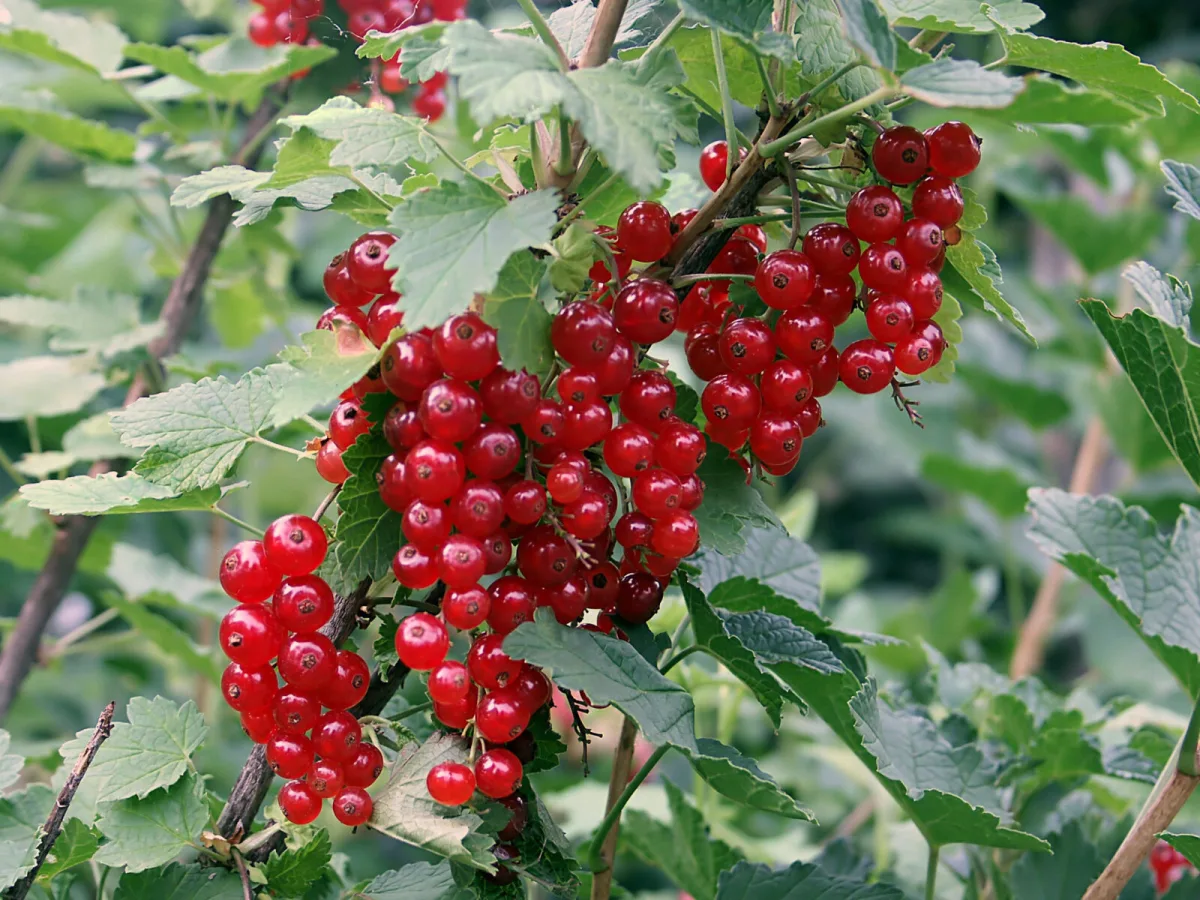
Currants are among the shrubs that don’t usually demand complicated care, but during a prolonged dry spell the situation changes quickly. It’s in May, when the bushes finish flowering and start setting berries, that the plant uses the most energy and is also sensitive to mistakes in watering and feeding. If you underestimate water now or miss the first signs of pests, the shrub may go into self-protection and drop some of the young fruit. The result isn’t full trusses, but a light crop with smaller, sharper-tasting berries.
Shallow roots are currants’ weak spot
Unlike fruit trees, currants don’t send roots deep enough to tap a more reliable reserve of moisture. Most roots sit in the top layer of soil, roughly between 10 and 30 centimetres, exactly where sun and wind dry the ground fastest. When the soil is dry and hard, water also tends to run across the surface, and only part of it reaches the roots.
At this stage of growth, a mature bush needs around 20 litres of water per week. Water directly to the root zone, not over the leaves, because wet foliage increases the risk of fungal problems. If the soil has capped and gone hard, it helps to gently loosen the surface before watering so the water soaks in rather than running off.
Mulch is a simple way to hold moisture
If you don’t want to be dashing out to the currants with a watering can or hose almost every day in dry weather, protect the soil around the bushes. A mulch layer about 5 to 10 centimetres deep makes a big difference. Use fresh grass clippings free of seeding weeds, or well-rotted strawy manure. Mulch covers the soil, slows evaporation and keeps the roots in a cooler, more stable environment that currants tolerate well.
Another bonus is the gradual release of nutrients. As grass breaks down it adds a little nitrogen to the soil, which is still useful in May for pushing new shoots. The key is not to pile mulch right up against the wood so the crown stays constantly damp; just leave a small gap.
Currant aphids act before the leaves curl
May is also when currant aphids often appear. A typical sign is red, blister-like swellings on young leaves at the shoot tips. Once the leaves deform and curl, the bush loses some of the leaf area it needs to make sugars. That quickly shows in the fruit quality: berries are smaller and less sweet.
Before you reach for chemicals, you can try gentler options. A homemade nettle tea works, or a spray made from potassium soap with a little rapeseed oil added. The oil smothers pests and the soapy solution helps break down their protective coating, while nettle can support the plant overall. Apply sprays in the evening and focus mainly on the undersides of leaves, where aphids most often cluster.
The sooner you stop aphids, the lower the risk that currants will slow growth and that berry size and flavour will suffer.
After flowering, change your feeding strategy
In spring, growth is often driven with nitrogen to build leafy mass, but after flowering the shrub’s needs shift. In May, potassium matters more for swelling fruit, helping with both berry size and sweetness. If you use proprietary fertilisers, it’s worth choosing blends intended for soft fruit, where potassium is emphasised.
If you prefer natural sources, you can use wood ash from clean, untreated wood. Ash is a concentrated source of potassium and also supplies calcium. In sensible amounts it can improve the shrub’s overall condition and indirectly help with some fungal issues, because it supports a better nutrient balance in the soil.
Blackcurrants usually need more water and nutrients
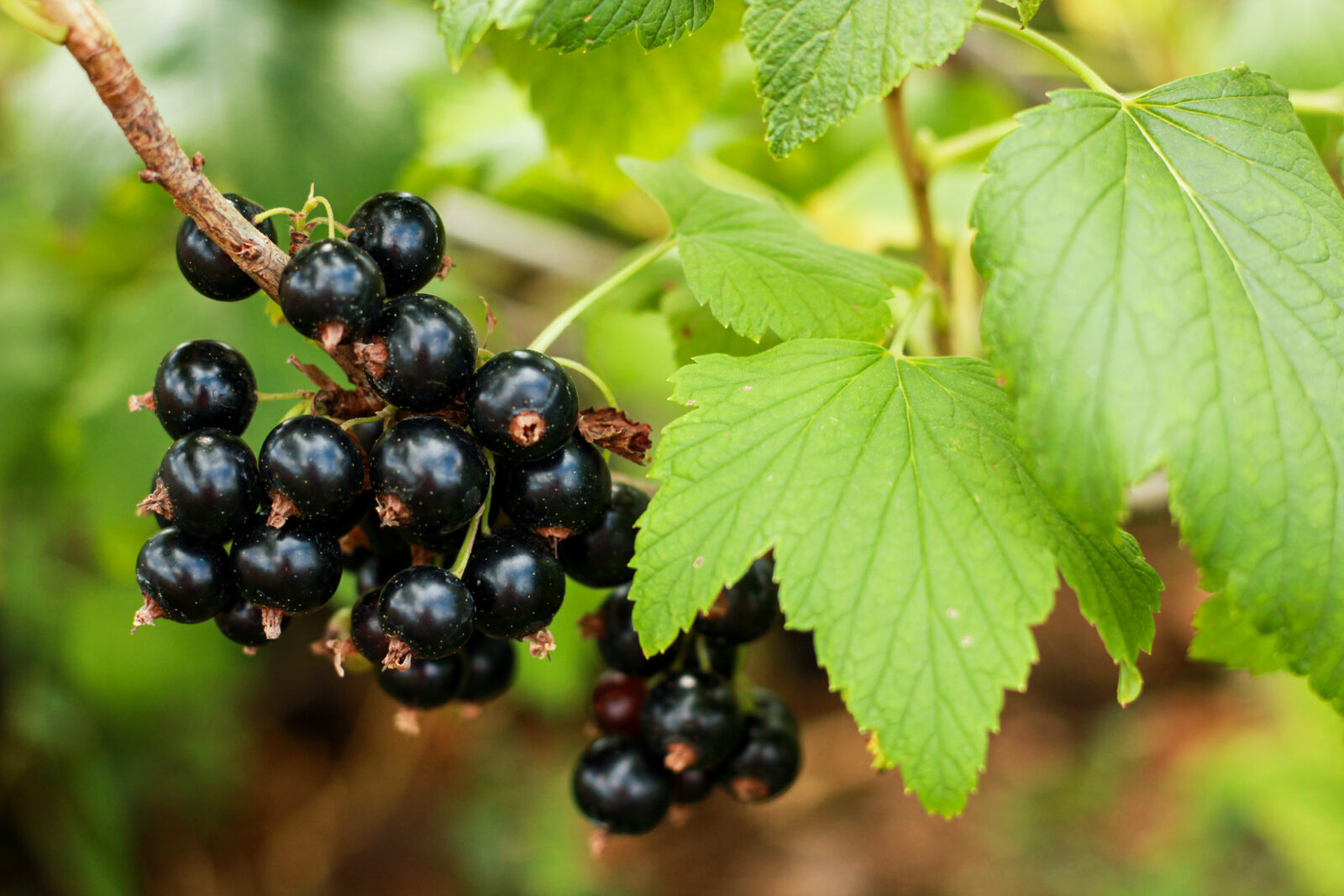
Blackcurrants generally react to drought more sensitively than red or white currants. If you grow them, they benefit in May from more consistent watering and a gentle boost of organic feed. Suitable options include liquid poultry manure, but always diluted weakly to avoid scorching roots or overfeeding. With good care, blackcurrants repay you with vitamin C-rich fruit, and the risk of berries dropping during drought stress is reduced.
If in May you combine regular watering, mulching, timely aphid checks and potassium-rich feeding, currants will ride out dry weather more easily and hold onto their fruit set right through to harvest.
Source: Urob si sám, Gardener’s World, Gardenly, Pestrazahrada.cz

A lover of nature, gardens, and everything that moves, blooms, or grows. He literally grows everything, from herbs to rare species, and he enjoys caring for animals just as much. In his work, he connects modern technology with tried-and-tested grandmotherly methods and is happy when both paths lead to the same goal.
Related articles
Next year you can harvest better if you don’t sow carrots where they won’t thrive
Carrot root fly can ruin carrots, parsley and celery from the inside out, often without obvious warning until harvest. Better site choice, rotation, later sowing and simple physical barriers can dramatically cut damage next season.
How to Propagate Roses from Cuttings at Home and Fill Your Garden with Blooms Almost for Free
Want more roses without paying for new plants? With a few healthy cuttings and a simple plastic-bottle mini greenhouse, you can root new bushes at home in just a few weeks.
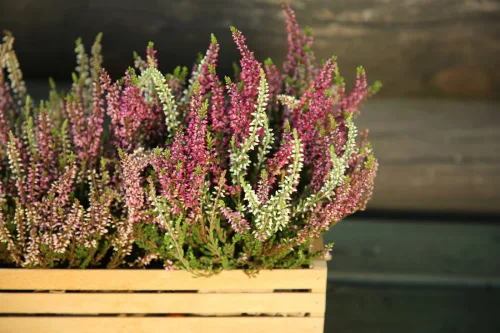
Heathers can cope where other plants won’t, but one soil detail decides everything
Heathers and heaths are tough evergreen shrubs that can flower across the seasons when you choose the right types. Success hinges on matching the plant to your soil pH and ensuring free drainage.
Comments (0)
Be the first to comment.