
 English
  Polski
  Deutsch
  Nederlands
  Svenska
  Norsk
Norsk  Dansk
Dansk  Français
  Italiano
  Español
  Português
  Slovenčina
  Suomi
Suomi  Gaeilge
 Proven Ways to Keep Currants in Peak Condition for a Reliably Heavy Crop
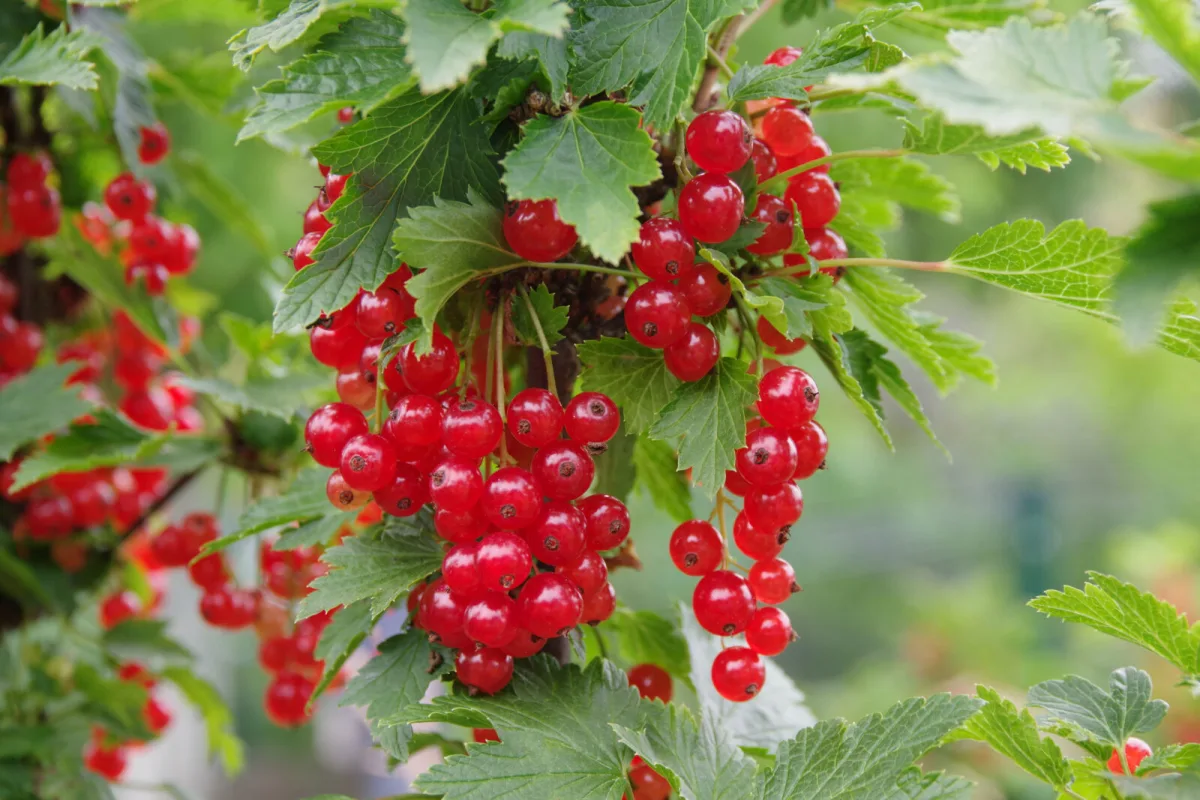
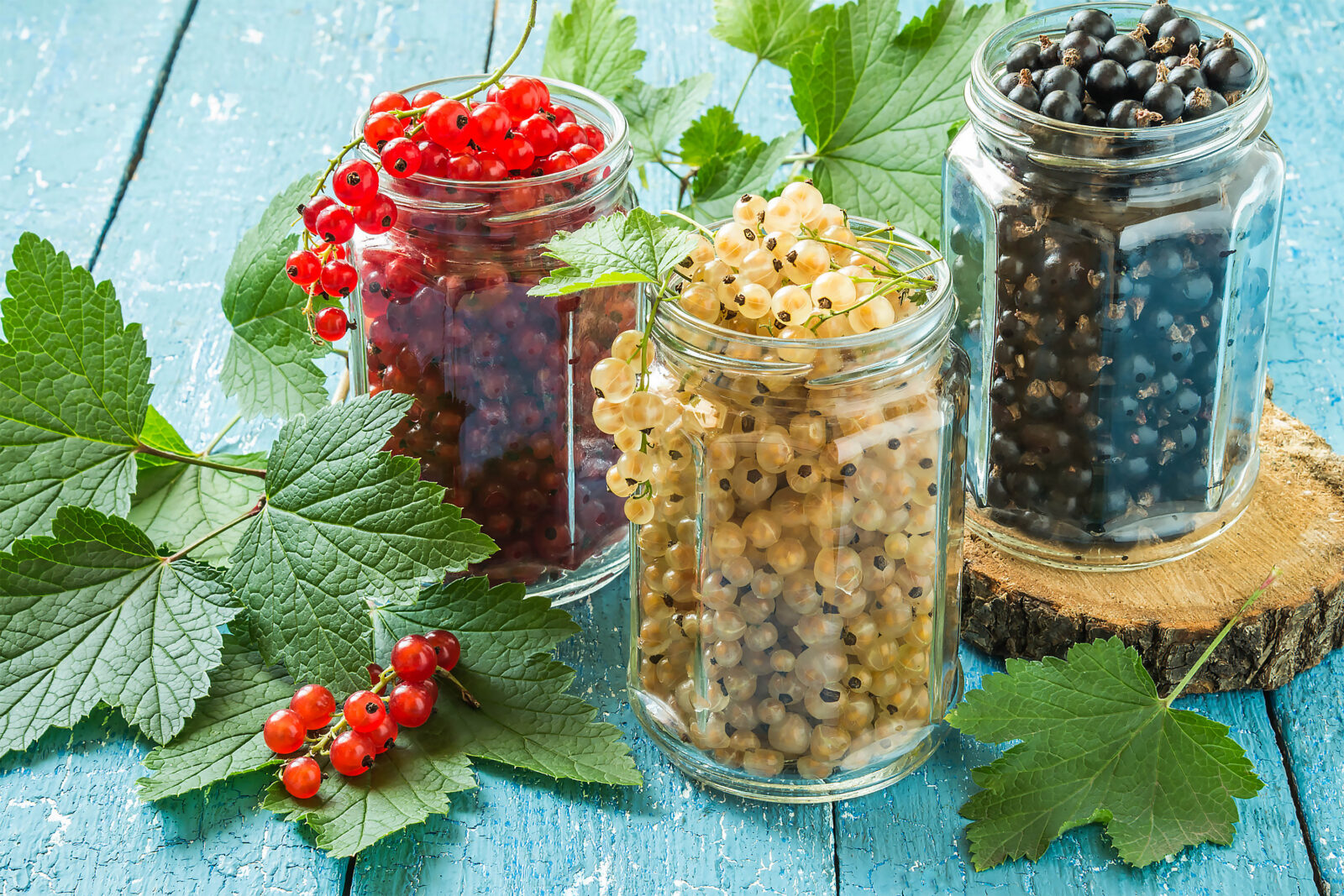
Currants are a staple in many gardens because they’re reliable, delicious, and with good care can crop very generously. Whether you grow red, white or black currants, the principle is much the same: shrubs need checking regularly, kept open and clean, and you need to react promptly to the first signs of trouble. Pests and diseases can escalate quickly and, within days, ruin young leaves, flowers and developing fruit. With the right approach, though, you can often avoid harsh chemicals and keep the crop in top quality right up to harvest.
The most common currant pests and the quick response that makes a difference
Currant gall midge and noticeably swollen buds
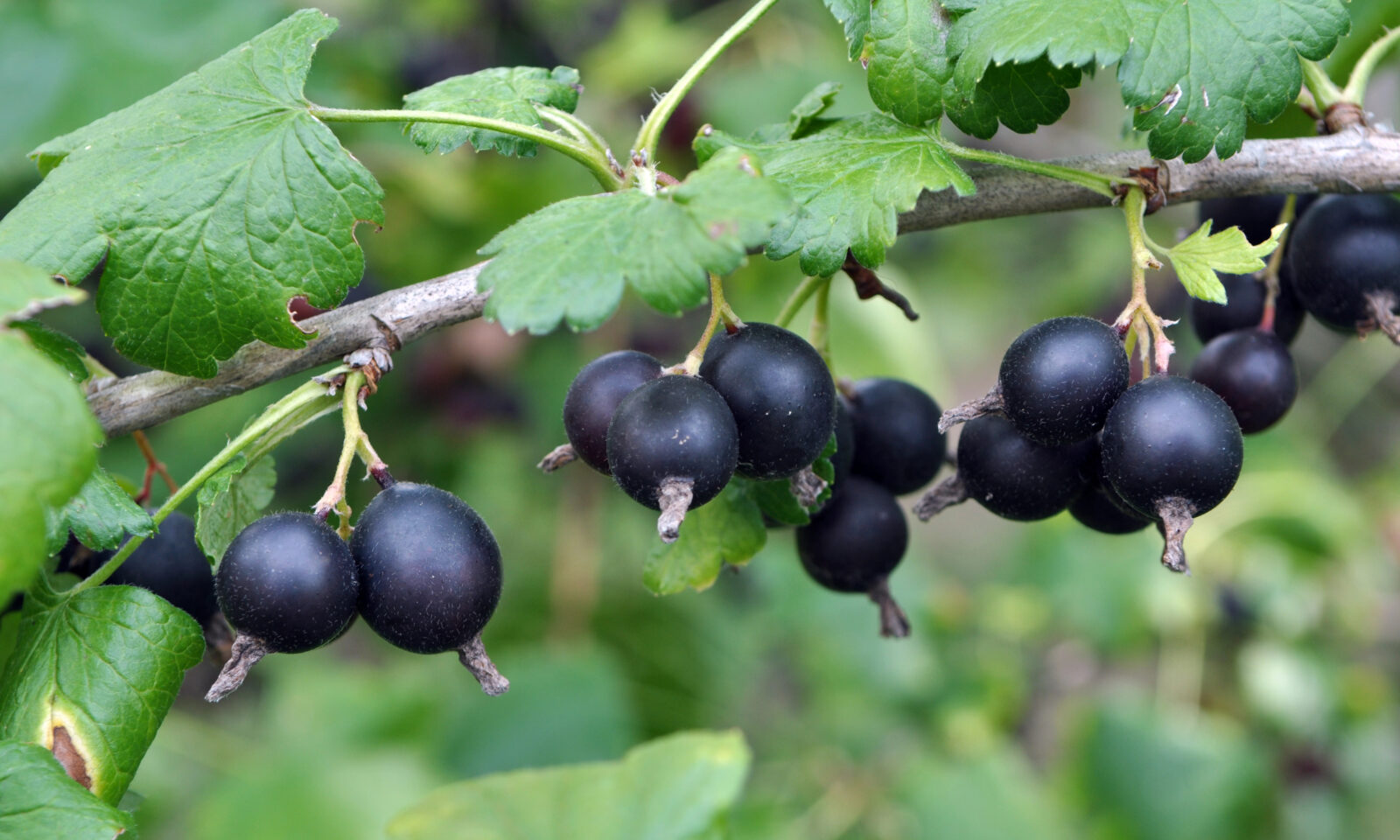
On black currants, you may occasionally see a problem that’s obvious at a glance: some buds are suspiciously large, as if puffed up, and in spring they either don’t open at all or produce weak, distorted shoots. A typical culprit is currant gall midge, which can significantly weaken the shrub and, if left unchecked, reduce both yield and plant vigour in the seasons ahead.
The essential step is to remove affected buds by hand and dispose of them away from the compost heap, ideally by burning. It’s not worth leaving them on the ground under the shrub, because you often just carry the problem over into the following year. Prevention also includes regular pruning and choosing more resistant varieties, which tend to be less prone to these issues.
Aphids on currants and curling young leaves
Aphids mainly target soft new growth and the undersides of leaves, where they suck sap. Currants then look tired, leaves curl, shoot tips become distorted and growth slows. If you spot aphids early, you can intervene gently and without unnecessary harm to beneficial insects.
In practice, a spray based on soft soap (potassium soap) works well, as do home-made natural options such as a nettle tea. The key is to apply it so it reaches the undersides of leaves, where aphids hide. With heavy, repeated infestations, it can sometimes be appropriate to use a targeted insecticide specifically for aphids, ideally timed with flowering in mind and with pollinator protection as a priority.
Currant sawfly and leaves disappearing fast
Sawfly larvae can strip leaves so quickly that only the veins remain. As soon as you notice caterpillar-like larvae, often present in groups, it’s time to act. A weakened shrub then sets fruit less well and the wood ripens poorly before winter.
A gentler option is a biological spray containing Bacillus thuringiensis, which targets larvae while being kinder to beneficial insects and bees. Acting early is crucial, while the larvae are still small and damage is limited.
Currant diseases you shouldn’t underestimate
American gooseberry mildew and a coating on leaves and fruit
You’ll recognise powdery mildew by a white to greyish coating on leaves, young shoots and sometimes the fruit. Affected parts often stop developing, become distorted and the shrub loses strength. If you leave the infection untreated, it can spread rapidly across the whole plant in warm weather.
The first step is to remove infected parts and dispose of them safely. If mildew returns regularly, repeated sprays can help, for example products based on potassium bicarbonate or solutions made with bicarbonate of soda, applied when conditions favour spread. An open, airy shrub also matters, because disease takes hold far more easily in dense growth.
Anthracnose and premature leaf drop
Anthracnose often shows up as small spots that gradually merge; leaves brown and the shrub may shed them as early as mid-summer. That’s a problem because without enough leaf area the plant feeds the crop poorly and also fails to prepare well for the next season.
Protection is about combining several steps: in spring, fungicide sprays are used as needed, but autumn hygiene is just as important. Fallen leaves should be removed thoroughly, because the pathogen can overwinter in them. Opening up the shrub with pruning also speeds leaf drying after rain and reduces infection pressure.
Currant rust and orange spots on leaves
Rust appears as orange spots on leaves, and spore pustules may form on the undersides. The plant then loses part of its photosynthetic area, and with heavy infection it can also drop leaves prematurely.
A copper-based spray often helps, and it’s also important to consider what’s nearby. Currants shouldn’t be planted unnecessarily close to larches, which can act as alternate hosts and encourage the disease to return in subsequent years.
Prevention is the cheapest and most effective protection for currants
Most pest and disease issues worsen where a shrub is overgrown, congested and neglected over time. Regular pruning keeps it open and airy, so leaves dry faster after rain and pathogens spread less easily. Tidiness under the shrubs is just as important, because dropped fruit and fallen leaves can harbour infection and provide places for pest larvae to overwinter.
Feeding should be moderate. Overfed shrubs, especially with high nitrogen, may grow vigorously, but their tissues are softer and more prone to attack. It also pays to choose varieties proven in your conditions with better resistance, which will save you a lot of interventions over the long term.
Regular checks and timely action decide the harvest
The best protection for currants isn’t a one-off spray, but regular checks of the shrubs, cleanliness beneath them, and a quick response to the first symptoms.
If you keep an eye on currants through the season, you’ll often catch a problem early enough that a simple step is all that’s needed: removing a few affected buds, washing off aphids, or applying a targeted biological spray. That keeps the shrub strong, leaves healthy and gives the fruit time to ripen to full flavour. Combined with prevention, sensible pruning and well-chosen feeding, you can keep currants productive and in excellent condition all summer long.
Source: RHS, Laidback Gardener, Pestrazahrada.cz

A lover of nature, gardens, and everything that moves, blooms, or grows. He literally grows everything, from herbs to rare species, and he enjoys caring for animals just as much. In his work, he connects modern technology with tried-and-tested grandmotherly methods and is happy when both paths lead to the same goal.
Related articles
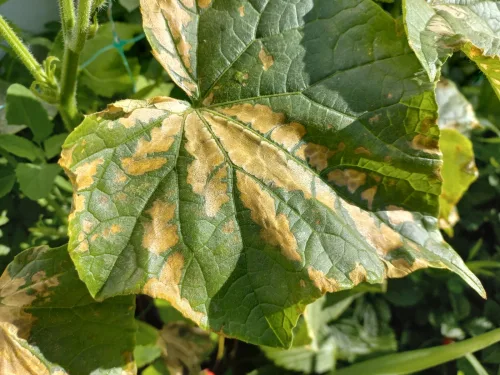
Yellowing cucumber leaves have a clear cause and with the right response plants recover quickly
Cucumber leaves turn pale and yellow when the plant is under stress—most often from watering mistakes, nutrient imbalance, or sudden temperature swings. Spot the pattern early and you can restore growth and protect your harvest fast.
How to Get Browning Hydrangeas Back on Track Without Chemicals
Brown leaf edges or spots on hydrangeas usually point to a simple mismatch in light, watering, or airflow rather than a lost cause. Learn how to read the symptoms and restore your shrub quickly with gentle, practical fixes.
Turn Ground Cinnamon Into a Secret Weapon for Stronger, Tougher Plants
Ground cinnamon isn’t just for baking—it can help protect houseplants and garden plants from mould and fungal issues, support cuttings, and even act as quick first aid for minor wounds. Used lightly, it’s an affordable, gentle, natural add-on to good growing practice.
Comments (0)
Be the first to comment.