
 English
 Polski
 Deutsch
 Nederlands
 Svenska
 Norsk
 Dansk
 Français
 Italiano
 Español
 Português
 Slovenčina
 Suomi
 Gaeilge
Three simple steps to help rhododendrons and azaleas survive winter and flower at their best in spring

Rhododendrons and azaleas are among the most popular ornamental shrubs, and in spring they can turn a garden into a sea of colour. Although they’re often seen as fairly low-maintenance plants, autumn is exactly the time when a few correctly timed steps can help them enormously. If you look after them before harder frosts arrive, they’ll reward you next season with healthy growth, dense foliage and abundant flowering.
At the end of the growing season, it’s especially important to focus on protecting the roots, gentle shaping and adequate moisture. Rhododendrons and azaleas have specific needs because their root systems tend to be shallow and react more sensitively to weather swings. Autumn care isn’t about drastic intervention, but rather a few simple steps that help shrubs come through winter safely.
Mulching as the foundation of winter protection
One of the most important autumn tasks is adding a layer of mulch around the plants. As soon as temperatures drop and the first harder frost threatens, mulch helps stabilise soil temperature and protects fine roots from freezing. This is especially important in colder areas where winters are longer and harsher.
The best choice is an organic material such as pine bark. Around the shrubs, it’s enough to spread a layer about 5 cm thick. However, the mulch shouldn’t sit right against the stem or main branches, as it could hold too much moisture and encourage rot. It’s better to leave a small gap around the base of the plant.
As well as protecting from frost, mulch has other benefits. It suppresses weeds, helps retain moisture in the soil and gradually improves soil structure. Through the winter months it creates a more favourable environment not only for the plant itself, but also for soil life, which is very important for long-term garden health.
Prune lightly and with restraint
Autumn isn’t the time for hard pruning rhododendrons and azaleas, but a light tidy-up for plant health is beneficial. The aim isn’t to reshape the shrub, but to remove anything that would unnecessarily weaken it over winter. Focus mainly on dead, damaged or diseased branches. These are usually easy to spot by darker colouring, a weak look or a lack of leaves.
It’s best to cut thicker branches with a clean, sharp tool back to where healthy tissue begins. Smaller damaged parts can be removed with secateurs. Always work with clean tools so you don’t spread disease from one plant to another.
In autumn it’s also worth removing spent flower heads and any seed pods that may still be on the shrub. The plant won’t waste energy on seed production and will conserve more strength for roots and leaves. This small step can have a surprisingly big effect in spring, because the shrub enters the new season in better condition and with greater potential for setting plenty of buds.
Enough water before winter is essential
Many growers cut back watering too early in autumn, but with rhododendrons and azaleas, moisture going into winter is very important. These plants originate from woodland environments where they grow in soil that stays evenly moist. If autumn is warm or on the dry side, shrubs can suffer from lack of water even when the rest of the garden already looks as though it’s slowing down.
Deep, thorough watering at longer intervals is best. Rather than frequent light sprinkling, it’s better to water less often but properly, so the water reaches the roots lower in the soil. This helps the plant cope better through winter, when the ground is often cold, drying winds are common and water uptake is limited.
The amount of water depends on soil type and the weather. In light, free-draining soils water runs through more quickly, while heavier soils hold moisture for longer. Even so, the root zone should be well moistened before winter arrives. This is one of the most reliable ways to reduce the risk of winter damage to leaves and shoots.
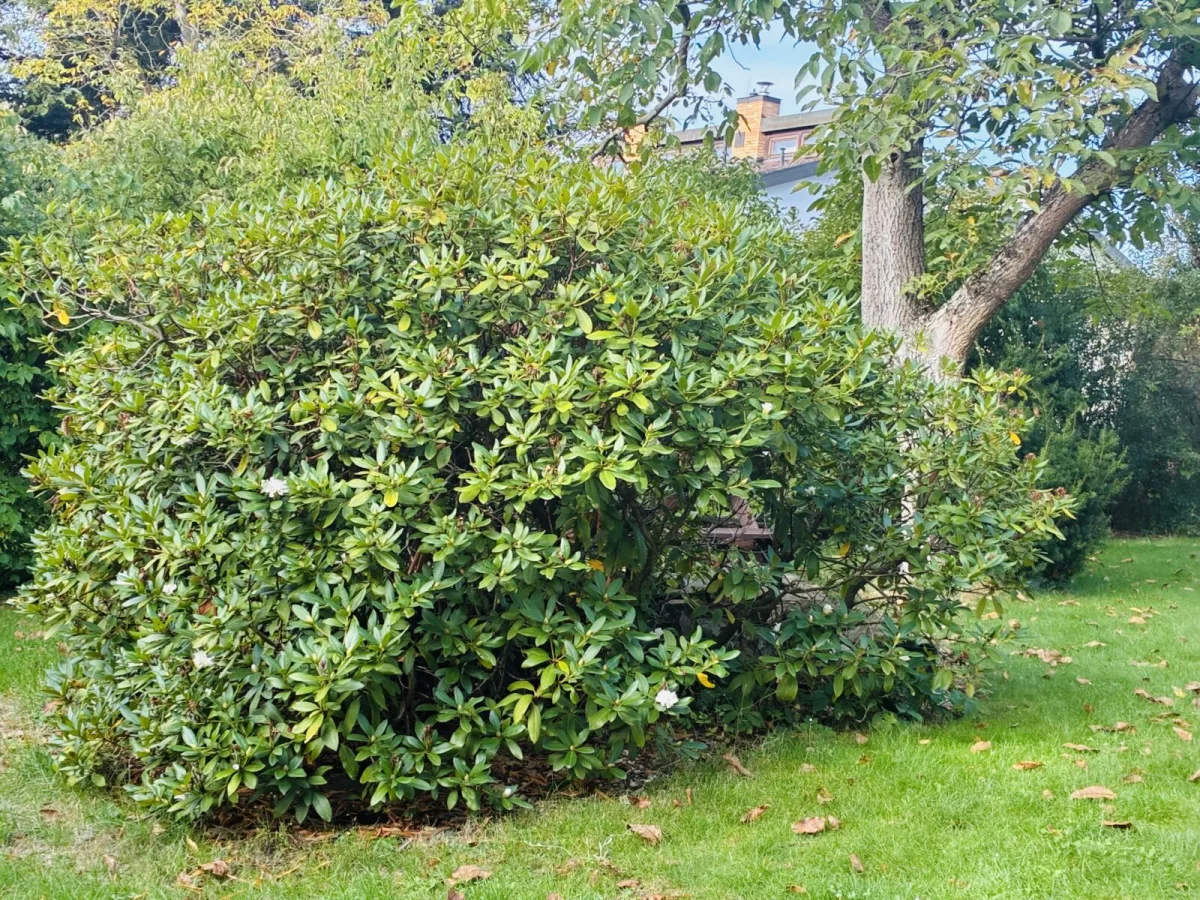
What to watch out for in autumn
Alongside basic care, it’s worth keeping an eye on the condition of the leaves. If the lower parts of the shrub are chewed, wildlife is often to blame, especially roe deer or deer. On larger plants this usually isn’t a major issue, because the top growth remains out of reach. But on younger, smaller shrubs the damage can be more significant, so it’s worth considering protection with repellents or a physical barrier.
It’s just as important to avoid one common mistake: autumn fertilising. Adding nutrients can seem like a good idea, but at this time of year it can push the plant into fresh growth. Young shoots produced just before winter are very sensitive to frost, and cold will easily damage them. The result can be a weakened shrub and a poorer start in spring.
Don’t fertilise rhododendrons and azaleas in autumn. Feed them in spring, when they start growing actively and can use nutrients safely.
Simple care with a big impact
Autumn preparation for rhododendrons and azaleas doesn’t have to be complicated or time-consuming. The key is to protect the roots with a layer of mulch, remove damaged parts and give plants enough deep watering. These three steps have the biggest influence on how well shrubs get through winter and what condition they’re in as they enter the next growing season.
When these shrubs get at least basic care in autumn, the difference in spring is very noticeable. Plants are tougher, fill out better and produce more flowers. All it takes is a few sensible jobs at the right time, and rhododendrons and azaleas will once again be among the most striking features in the garden in spring.
Source: Homes and Gardens, RHS , Pestrazahrada.cz

A nurse by profession, she is passionate about healthy living, nature, and everything that benefits both people and the world around them. In her free time, she enjoys gardening, cooking, sewing, and caring for her family. In her articles, she loves combining professional expertise with practical experience from the garden and everyday life.
Related articles
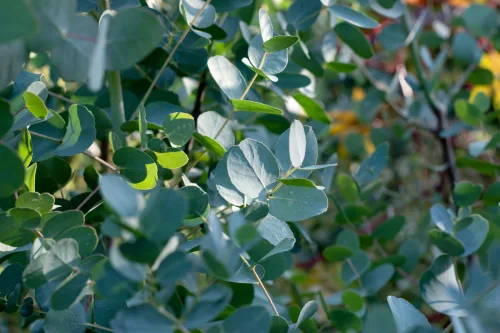
Eucalyptus can be quite demanding, the right pruning and care are the key to healthy growth
Eucalyptus can make a striking specimen, screen or neatly maintained shrub, but it only thrives when pruned at the right time and in the right way. Learn when to cut, how to shape it, and how to care for it afterwards so it stays strong and long-lived.
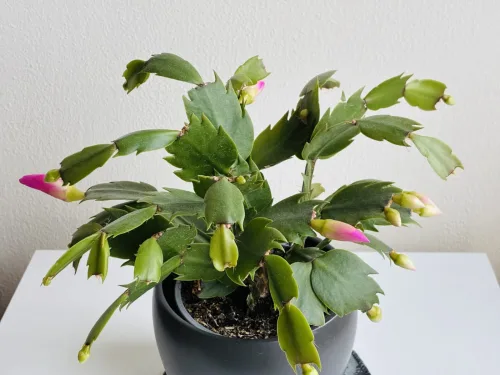
How to Get a Christmas Cactus to Bloom Right on Time for the Holidays
A Christmas cactus will only flower on schedule if it gets the right cues well in advance. Cool temperatures, long uninterrupted darkness, and plenty of bright light through the year make all the difference.
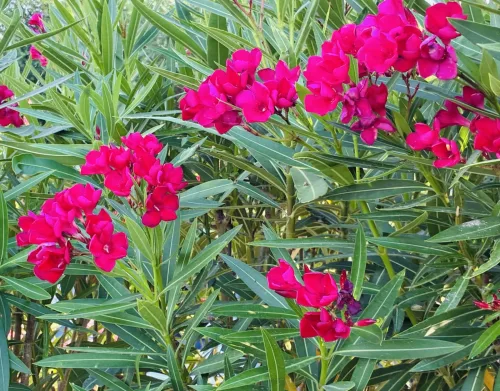
Is your oleander dropping leaves in winter It might not be a problem the mistake is what you do next
Oleander can shed some leaves in winter as part of its natural rest period. With cool, bright overwintering and careful watering, it will rebound in spring and flower well in summer.
Comments (0)
Be the first to comment.