
 English
  Polski
  Deutsch
  Nederlands
  Svenska
  Norsk
Norsk  Dansk
Dansk  Français
  Italiano
  Español
  Português
  Slovenčina
  Suomi
Suomi  Gaeilge
 Peas will grow faster and healthier if you help them with bacteria
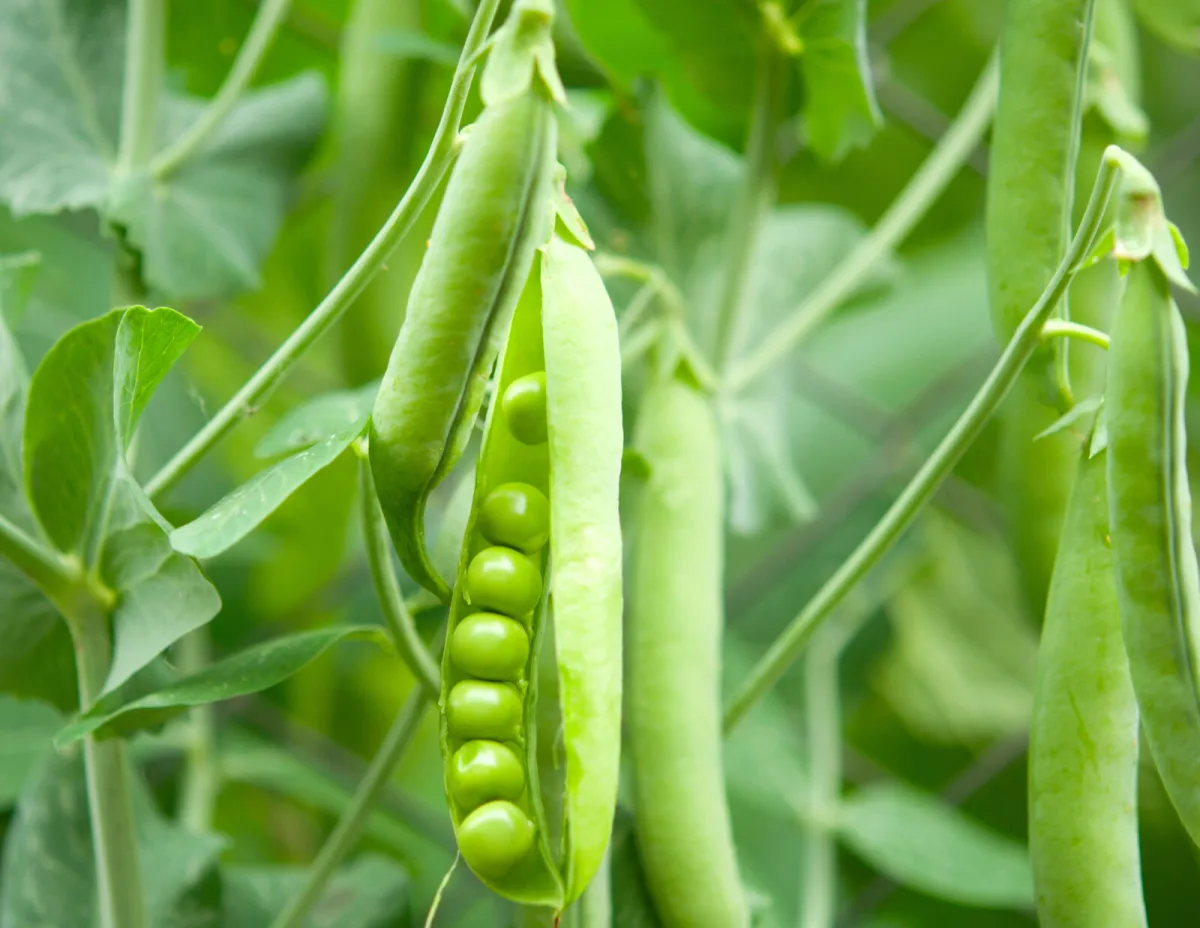
Peas are a firm favourite in Czech gardens. They’re popular for their sweet flavour, easy growing and quick harvest, which children can manage with a little supervision. On top of that, they’re a vegetable with a strong nutritional profile, as they contain plant protein, vitamins and a range of minerals. Another practical advantage is that peas can actually help the soil rather than simply exhausting it.
Root–bacteria symbiosis as natural fertilising
The key lies in the relationship between peas and soil bacteria of the genus Rhizobium. These microorganisms can capture nitrogen from the air and convert it into a form the plant can use for growth. The bacteria live in nodules on the roots, and thanks to them peas can, to an extent, supply themselves with nutrients, which can reduce the need for nitrogen fertilisers.
It’s often said that legumes, under the right conditions, can enrich the soil with a substantial amount of nitrogen in a single season. For gardeners, that means a bed after peas is usually more fertile, and you can often follow with other crops without immediately adding large doses of chemicals. This effect is especially valuable in organic growing, where the goal is to maintain yields while cutting back on synthetic fertilisers.
How to get bacteria to the plants at the right time
For nitrogen fixation to work properly, the bacteria need to meet the seedling’s young roots. In practice, this is why so-called inoculation is used—adding the right bacteria to the seed, or into the soil at sowing. You’ll also come across them in yield-boosting products designed specifically for legumes. The aim is to encourage the formation of root nodules, because that’s where nitrogen is bound and then used.
Peas also improve soil structure
It’s not just about nutrients. The pea root system reaches down into the soil, naturally loosens it and helps create a better bed structure. You’ll appreciate this most where the soil tends to compact or dry out quickly. Peas can therefore work well as a handy break crop, preparing the bed for more demanding plants that follow.
Sowing and staggered harvesting from spring through to autumn
The garden pea is an annual climbing plant and it’s straightforward to grow. If you want a longer harvest period, it pays to sow in succession, roughly every two weeks. That way the pods won’t all ripen at once, and you’ll be picking steadily over many weeks.
Depth, spacing and protection from birds
Seeds are most commonly sown in rows, about five to seven centimetres deep. In the row, leave around five centimetres between seeds so the plants have enough space and the crop doesn’t become too dense. Rows are usually spaced about twenty centimetres apart, which makes aftercare easier as well. Early on, it’s worth remembering that the seeds can attract birds, so a light cover of fleece or a fine mesh net can help.
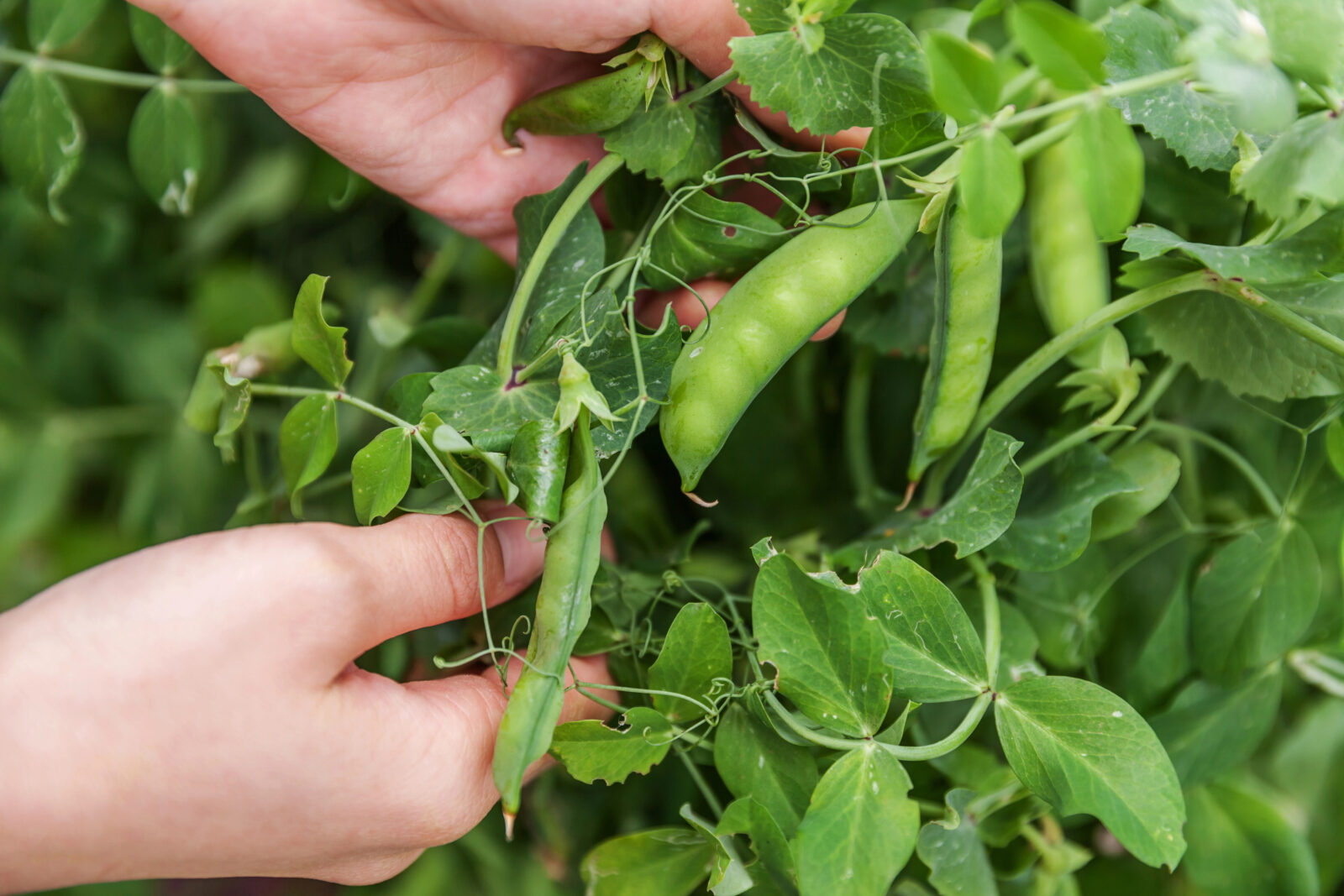
Shelling peas or mangetout and how to use them in the kitchen
When choosing a variety, it mainly depends on how you want to eat your peas. Shelling peas have firmer seeds and are often used in soups, sauces or as a side dish. Mangetout, by contrast, is bred to taste good eaten pod and all. It’s harvested whole when the seeds inside are still small, and it’s ideal for eating raw, in salads, or briefly stir-fried or lightly steamed. In both cases, regular picking encourages more pods to form and extends the period the plant crops.
What to take away from growing peas
Peas are a rewarding crop that delivers on flavour and quick results. If you also provide the right soil bacteria or support their presence in the bed, you’ll gain not only more vigorous plants but also soil richer in nitrogen for the next season. In practice, it’s a simple way to boost your chances of a good harvest while managing the garden more gently.
Source: The Spruce, Science Direct, Nature, Pestrazahrada.cz

A lover of nature, gardens, and everything that moves, blooms, or grows. He literally grows everything, from herbs to rare species, and he enjoys caring for animals just as much. In his work, he connects modern technology with tried-and-tested grandmotherly methods and is happy when both paths lead to the same goal.
Related articles
Be careful with hydrangeas in autumn or one mistake will cost you blooms
Tidying up hydrangeas in autumn can be tempting, but cutting at the wrong time can remove next year’s flower buds. Everything depends on whether your hydrangea blooms on old wood or new wood.
Raspberries Need Gentle Feeding or You Can Damage Roots and Lose Up to a Third of the Crop
Raspberries have very shallow roots and don’t respond well to heavy, nitrogen-rich feeding worked into the soil. Choose a potassium-forward fertiliser and apply it gently on the surface to protect roots and improve flavour and yield.
Autumn rose pruning step by step
Regular pruning helps roses build strong shoots, thicken up, and set more buds for next season. In autumn, the right cuts remove weak growth and keep the bush open for healthier, better flowers.
Comments (0)
Be the first to comment.