
 English
  Polski
  Deutsch
  Nederlands
  Svenska
  Norsk
Norsk  Dansk
Dansk  Français
  Italiano
  Español
  Português
  Slovenčina
  Suomi
Suomi  Gaeilge
 How to Grow Sunflowers as a Standout for the Garden and Balcony
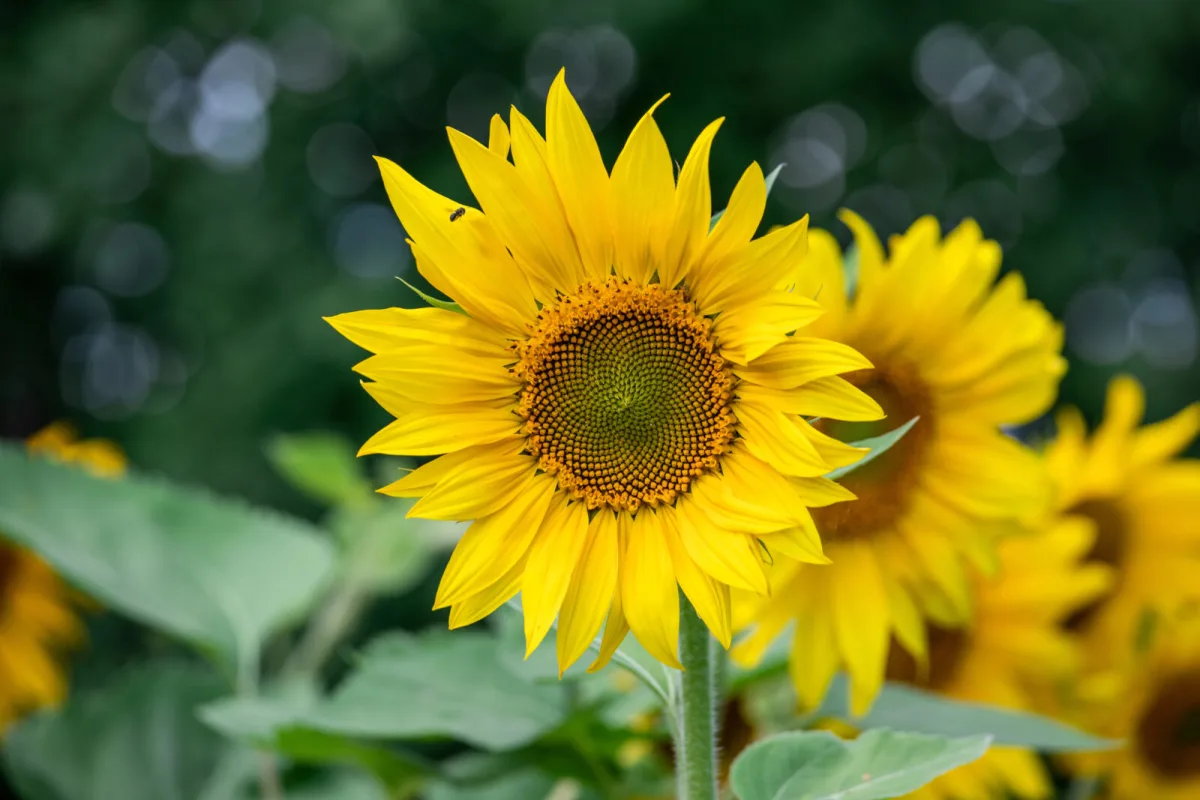
Sunflowers are among the plants that naturally steal the show. Their large blooms in warm tones can brighten a border, a fence line and the space beside a patio. It’s no longer true that they only suit country gardens. In contemporary planting schemes, they’re often used as a strong focal point that complements perennials and ornamental grasses. If you choose the right position and provide basic care, you’ll get a reliable summer display that often flowers well into autumn.
Which type to choose and where you can grow it
The most commonly grown is the annual sunflower, which depending on the variety ranges from shorter, compact forms to tall statement plants. The tall types look best as stand-alone features, while lower cultivars fit well into mixed planting and larger containers. You can also grow sunflowers on a balcony or terrace without worry, as long as they get plenty of light and consistent watering. Alongside the classic yellow blooms, there are varieties in deep orange, brown and burgundy tones, making them easy to coordinate with the colours in your border.
Where to place sunflowers so they thrive without getting in the way
For strong growth they mainly need full sun. They prefer a warm position sheltered from strong wind, as tall stems can snap. They won’t do well in waterlogged soil or in constant shade. They’re also a great choice for wildlife-friendly gardens, where they attract pollinators and later provide food for birds. They’re beautiful as cut flowers in a vase too.
One thing is worth thinking through in advance. Because sunflowers attract bees and bumblebees, it’s not ideal to plant them right next to children’s play equipment, a sandpit or seating areas where frequent insect activity could be uncomfortable, especially for children.
Sowing and raising from seed step by step
Sunflower seeds usually germinate readily, so they’re a good choice even for beginners. You can buy seed, but often the ones included in mixes for winter bird feeding will work too. Sow to a depth of about 2 cm, and water thoroughly after sowing. The soil shouldn’t be allowed to dry out for long periods, as germination is poorer in dry conditions and fewer plants will come up.
If you want a head start and sturdier plants, you can start sunflowers indoors on a bright windowsill. Plant them out around mid-May, once the risk of frost has passed. If you sow directly outdoors, bear in mind that young seedlings are often targeted by slugs, so it pays to protect them during the first few weeks.
Seasonal care watering feeding support and maintenance
Once established, sunflowers can cope with a drier spell, but they look best with regular watering. In containers, you’ll need to monitor moisture even more carefully, as compost dries out faster. Feeding during the growing season is beneficial, especially for free-flowering varieties. Regular weeding is also important so young plants don’t have to compete.
Taller cultivars are best tied to a support, particularly in exposed spots. With multi-flowering types, removing spent flower heads encourages longer and more abundant blooming. With the classic large-headed sunflower, the flower is usually left to ripen, as the aim is often to harvest the seeds.
Seeds for birds and for you and how to protect them from raids
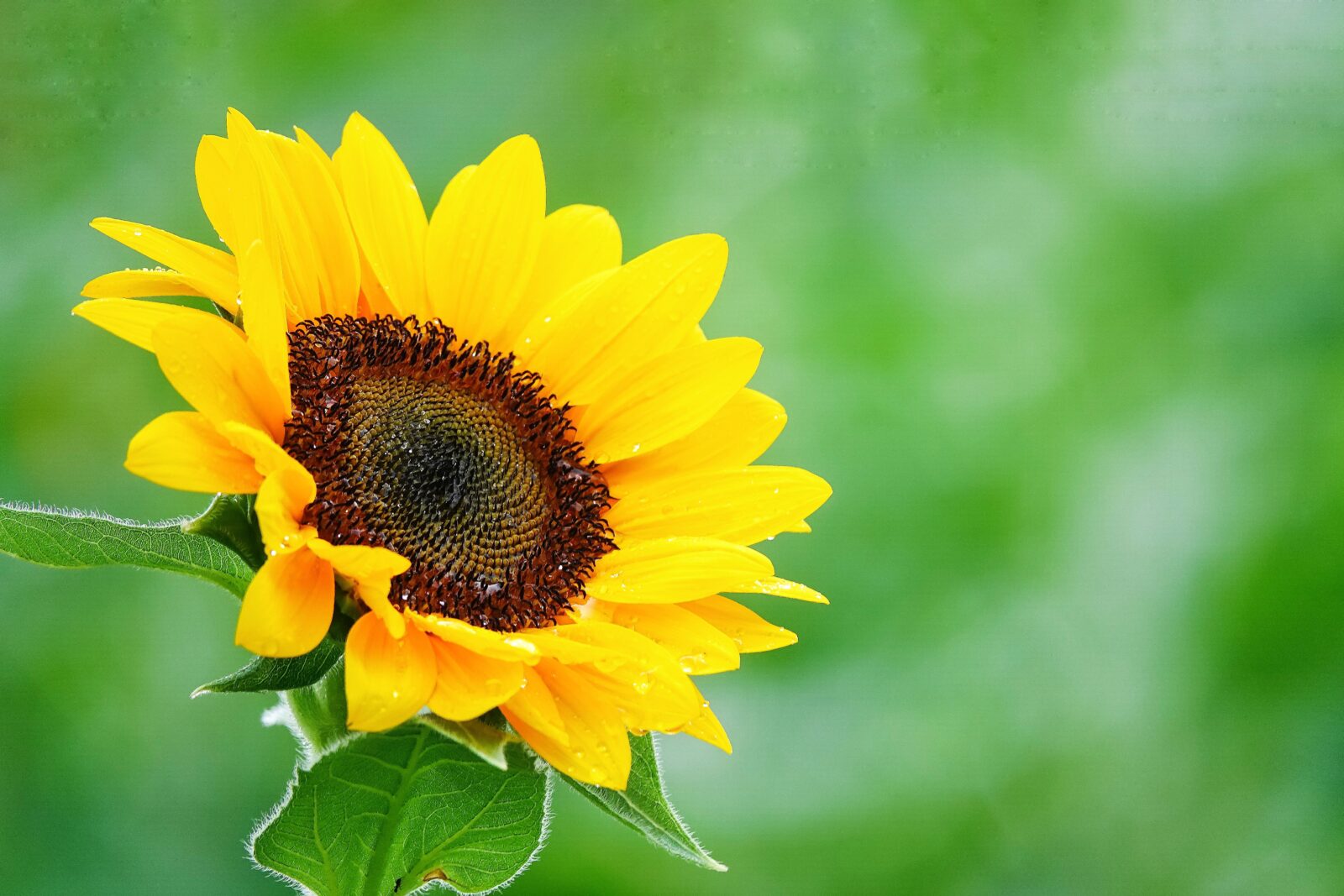
Ripe sunflower seeds are a magnet for birds, which is a bonus in many gardens, but it can be a problem if you’re planning to harvest and the birds get there first. If you want to keep the seeds for yourself, you can cover the flower head with fine mesh or a lightweight fabric shortly before it ripens, so birds can’t reach it.
Sunflower seeds are also valued in the kitchen. They contain a range of minerals and are often associated with supporting healthy digestion, brain function and heart health. A home harvest also means you can keep the seeds free of flavourings and prepare them exactly to your taste.
Sunflowers as an easy recipe for bold garden joy
If you provide sun, warmth, reasonable watering and support for taller plants, sunflowers will reward you with striking flowers and real benefits for the garden. They look superb in borders, in a vase and in containers, and they also support wildlife by attracting pollinators and feeding birds. It’s this blend of ornament and usefulness that makes them one of the most popular summer plants.
Source: Three Acre Farm, BBC Gardeners World, RSPB, Pestrazahrada.cz

A lover of nature, gardens, and everything that moves, blooms, or grows. He literally grows everything, from herbs to rare species, and he enjoys caring for animals just as much. In his work, he connects modern technology with tried-and-tested grandmotherly methods and is happy when both paths lead to the same goal.
Related articles
The Christmas Amaryllis That Can Bloom for Years but Most People Throw It Away After Flowering
Hippeastrum is a spectacular winter-blooming bulb that, with the right care, will flower again year after year. Learn how to plant it correctly, look after it after flowering, and bring it into dormancy so it reliably reblooms.
How to Grow Winter Garlic for a Much Bigger Harvest
Autumn planting is the key to strong, healthy winter garlic, but the details make all the difference. With the right timing, bed choice, seed-clove treatment and a simple bicarbonate trick, you can noticeably boost yield.
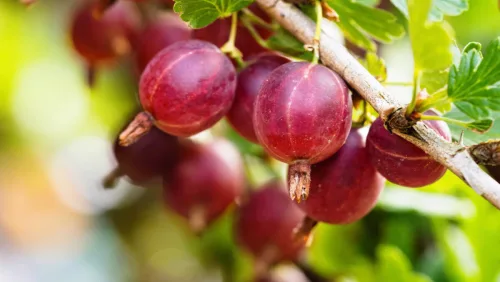
A tree or shrub planted properly in autumn can outpace spring stock and improve fruiting
Many fruit trees and soft-fruit shrubs establish better when planted in autumn, because roots keep growing while the top is dormant. Done well, this head start means stronger spring growth, less watering, and a healthier first year.
Comments (0)
Be the first to comment.