
 English
  Polski
  Deutsch
  Nederlands
  Svenska
  Norsk
Norsk  Dansk
Dansk  Français
  Italiano
  Español
  Português
  Slovenčina
  Suomi
Suomi  Gaeilge
 Grapes Don’t Ripen After Picking and Timing the Harvest Is Everything
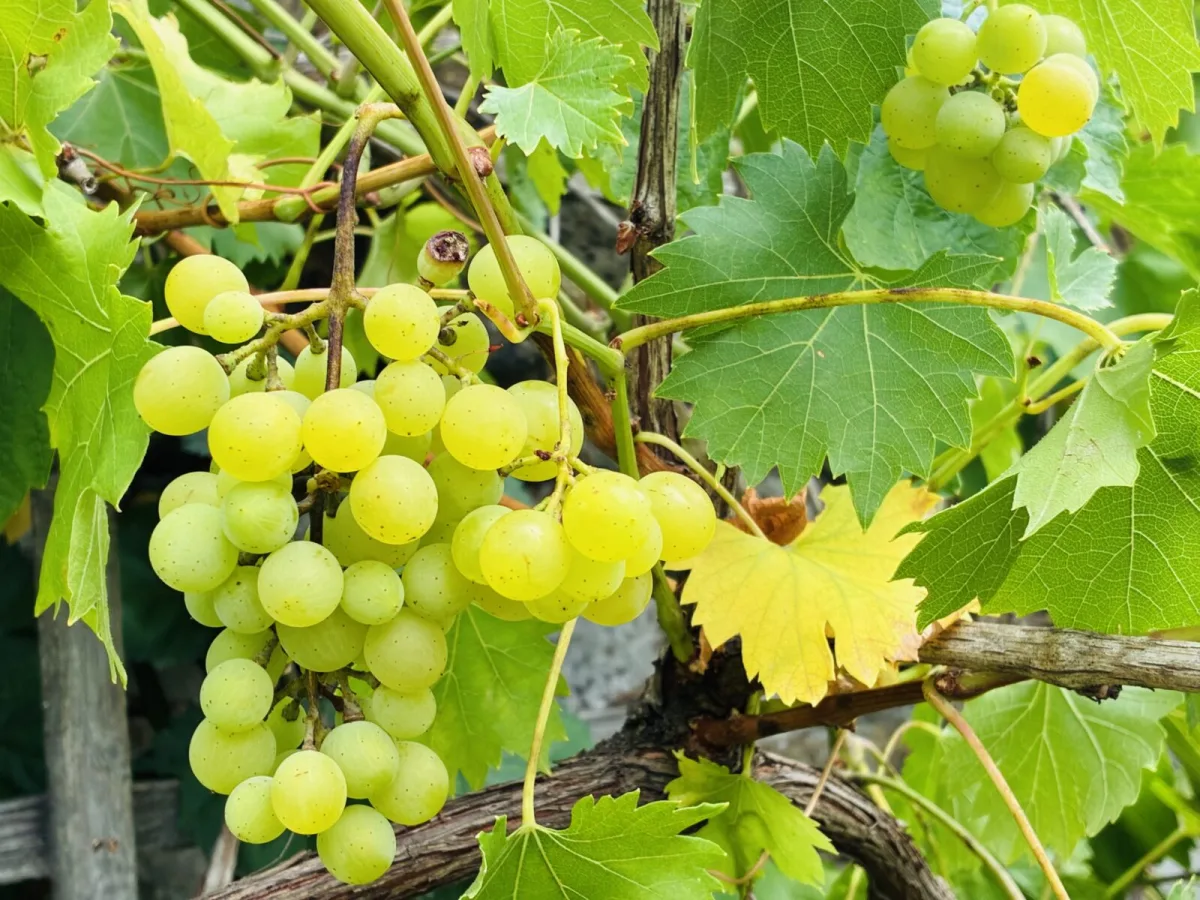
Grapevines are among the most rewarding fruiting plants for the garden. Not only do they produce sweet, wonderfully versatile fruit, they can also transform a pergola, trellis or fence into a real feature. They are vigorous, long-lived perennials that, with proper training and pruning, usually start cropping reliably within a few years and can remain in good condition for decades. The keys to success are the right site, solid support and regular winter pruning.
Which species and types of grapevine to choose
For home growing, a few main groups are usually considered. American grapes tend to be the most frost-hardy, while European varieties are often better suited to wine and do best in warmer, drier areas. French-American hybrids typically combine decent hardiness with improved disease resistance, although their flavour may be less distinctive than classic European cultivars. In warm regions, muscadine grapes with thicker skins are also grown, and are more often processed into jams, wines and other products.
When buying, it pays to choose a reputable nursery. Strong, vigorous one-year plants usually establish best. If possible, opt for certified, virus-free stock, because vine health problems can linger for years.
Position, sun and soil
Grapevines need as much sun as possible. Full sun is ideal, or at least morning sun, while light afternoon shade is usually fine. A deep, free-draining, open soil where water doesn’t sit is important. Good airflow is just as vital, because crowded, damp conditions increase pressure from fungal diseases. That’s why from the outset you should plan to grow vines on a structure rather than letting them sprawl along the ground.
Planting step by step
Plant in early spring once the risk of hard frosts has passed. Vines are often sold bare-root and dormant. Before planting, soak the roots for two to three hours in water so they rehydrate properly.
Most common varieties are self-fertile, but it’s still sensible to confirm at purchase whether a second plant is needed for pollination. Space plants roughly 180 to 300 cm apart; muscadine types need wider spacing of around 5 m.
For each plant, prepare a hole about 30 by 30 cm and roughly 30 cm deep. Put a layer of good topsoil at the bottom, trim any damaged roots, and set the plant slightly deeper than it grew in the nursery. Backfill the roots with some of the soil and firm gently, then add the rest more loosely. Water thoroughly after planting.
Support and training from the first year
Support should be in place beforehand, because training shoots upwards reduces disease risk and makes care and harvesting easier. A sturdy trellis or pergola is a common choice. In the first year, you typically keep one strongest shoot, tie it in as it grows, and let it reach the top of the structure.
If space is limited, a vine can also be trained up a strong stake. In that case, again allow the main shoot to grow vertically. Once it reaches the top of the support, shorten it, then keep a few side arms and remove surplus shoots so the plant doesn’t waste energy.
Watering, feeding and routine seasonal care
Grapevines like even moisture, especially during growth and fruit set. Mulch helps keep soil moisture steady and reduces fluctuations that can show up as poorer grape quality. In the first year, feed only if the soil is clearly poor or problematic. In the second year you can begin light feeding, with an emphasis on balance so the vine doesn’t put on lots of leafy growth at the expense of the crop.
As soon as berries start to colour and soften, birds can become a major issue. A reliable solution is netting, which prevents grapes being pecked before harvest.
Pruning determines the crop
Regular pruning is essential with grapevines, because bunches form on the current season’s shoots growing from one-year-old wood. If a vine isn’t pruned for years, old wood builds up and yields weaken. On the other hand, overly harsh annual renovation can trigger lots of new shoots but few grapes. The aim is a balance between young fruiting wood and renewal growth.
The main pruning is done during dormancy, most often in late winter. In the first year after planting, the vine is cut back to a few buds so it can focus on building its root system and a sturdy trunk. Only in subsequent winters do you begin shaping it according to the training system you’ve chosen.
Pruning for a pergola or trellis
In the first year, allow the strongest shoot to reach the top of the structure and tie it in as it grows. The first winter, shorten the tip, then encourage the formation of side arms along the top. Without pruning, a vine will quickly make dense shade, but with fewer fruits. Each winter, remove the shoots that fruited the previous season and shorten one-year shoots to around five to six buds. At the same time, it’s wise to keep renewal spurs cut back to two to three buds so there’s material to grow new fruiting wood. Good light penetration also matters: weak, thin shoots are cut out and fruiting arms should be sensibly spaced.
Pruning on a stake
With stake training, in the first winter shorten side shoots to three buds, from which new shoots will grow that can fruit the following year. Weak, thin shoots, especially low down on the trunk, are removed. In the second winter, keep the healthiest shoots and shorten them to roughly six to ten buds. At the same time, select two renewal shoots and cut them back to three buds. Repeat this each year. As the vine ages and strengthens, the trunk can carry several fruiting shoots without exhausting the plant unnecessarily.
When and how to harvest so grapes are truly sweet
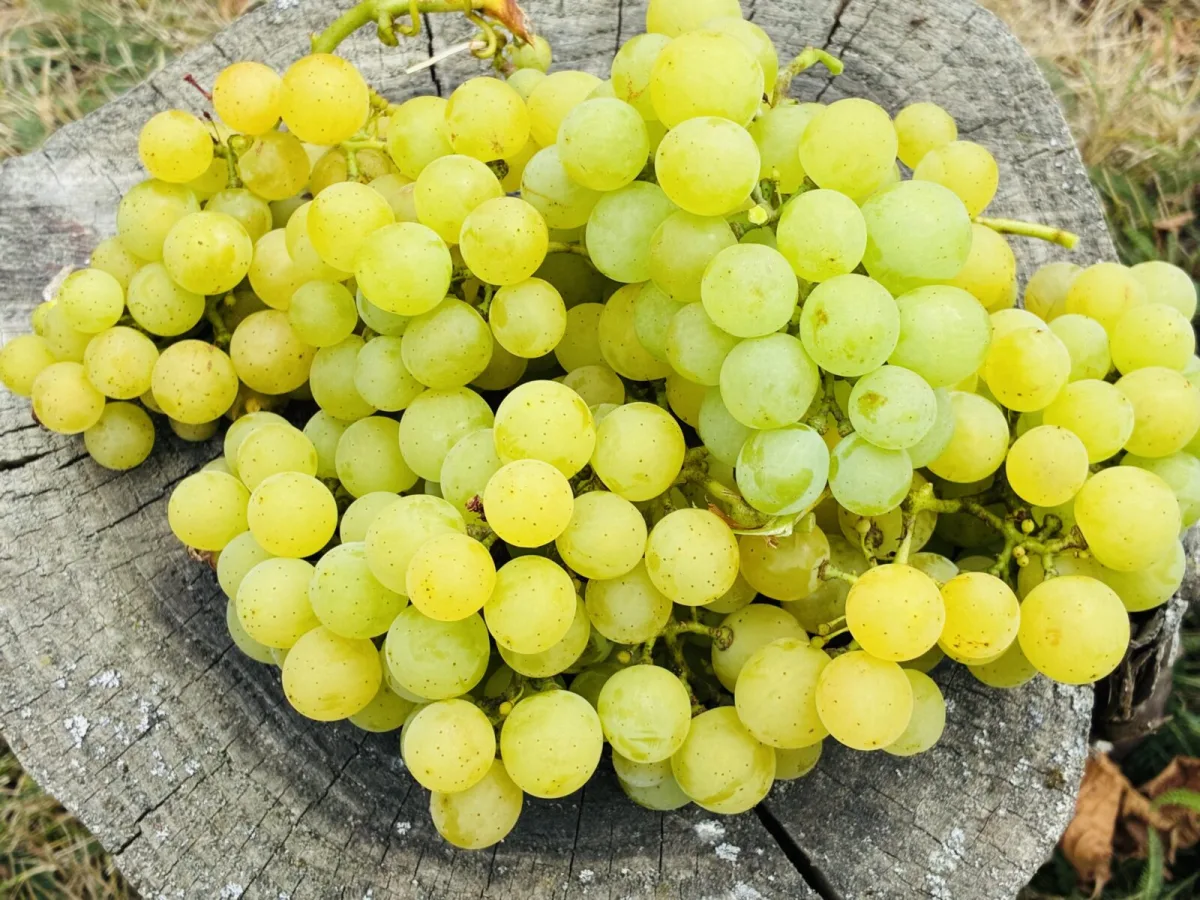
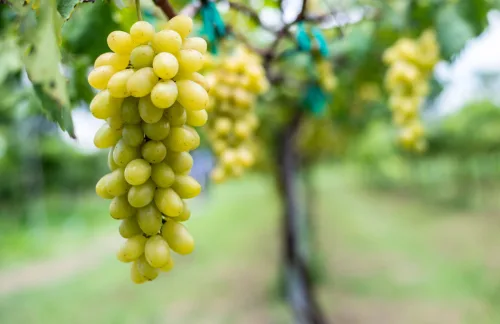
Grapes don’t ripen any further after picking, so getting the timing right is crucial. If colour change and ripening seem slow, light leaf removal around the fruiting zone can help so more sun reaches the bunches. Check ripeness by tasting several berries from different parts of the vine and from different bunches. Harvest usually falls from late summer to early autumn.
Well-ripened grapes have deep colour, are juicy, full-flavoured and firm, but not shrivelled. The berries squash easily, yet still feel nicely plump, and the bunch holds firmly on the stem. The flavour should be pleasantly balanced between sweetness and a hint of acidity.
Storing and using your crop
In a cool cellar, grapes can keep for several weeks, up to about six, provided they are healthy and undamaged. Bear in mind they readily absorb odours from other fruit and vegetables, so store them separately. Shallow crates or boxes lined with clean, dry straw work well, and it’s best to separate bunches so they aren’t pressed together. Check regularly for any signs of rot and remove affected parts immediately.
The thicker skins of some grape types are an advantage for processing. Grapes can be made into juice, homemade wine, compotes, and thick jams and jellies that preserve the taste of summer for longer.
Most common pests and diseases
Typical problems include aphids that weaken young shoots, Japanese beetle damage to leaves, and in more susceptible varieties, powdery mildew or black rot. The basis of prevention is airy training, regular pruning, removing affected parts, and choosing more resistant varieties for your conditions.
A final fun fact
Grapefruit got its name from grapes simply because the fruits grow in clusters, and that was enough for early European explorers in Barbados to coin the name.
Source: Almanac, Rhs , Pestrazahrada.cz
Related articles
Drought tolerant fruit trees for Czech gardens that handle heat and winter frosts
Warmer summers and longer dry spells are changing what can be grown in Czech gardens. With the right variety and a sunny, sheltered spot, olives, pomegranates and figs can cope with heat, drought and even winter cold.
Thuja hedges are on the way out gardeners are choosing a shrub that shrugs off frost and drought and never looks dull
Thuja may be a long-standing classic, but today’s hedges are increasingly built from more varied shrubs that look better through the seasons. One standout choice is ninebark, prized for its toughness, colour and easy care.
Autumn planted grapevines bud earlier the most common mistake happens before they even go in the ground
Planting grapevines in November can give them a head start in spring, as roots can still establish in warm soil. Success depends mainly on proper planting depth and reliable winter protection.
Comments (0)
Be the first to comment.