
 English
  Polski
  Deutsch
  Nederlands
  Svenska
  Norsk
Norsk  Dansk
Dansk  Français
  Italiano
  Español
  Português
  Slovenčina
  Suomi
Suomi  Gaeilge
 Climate Change Threatens Harvests and Is Changing Fruit in Czech Gardens
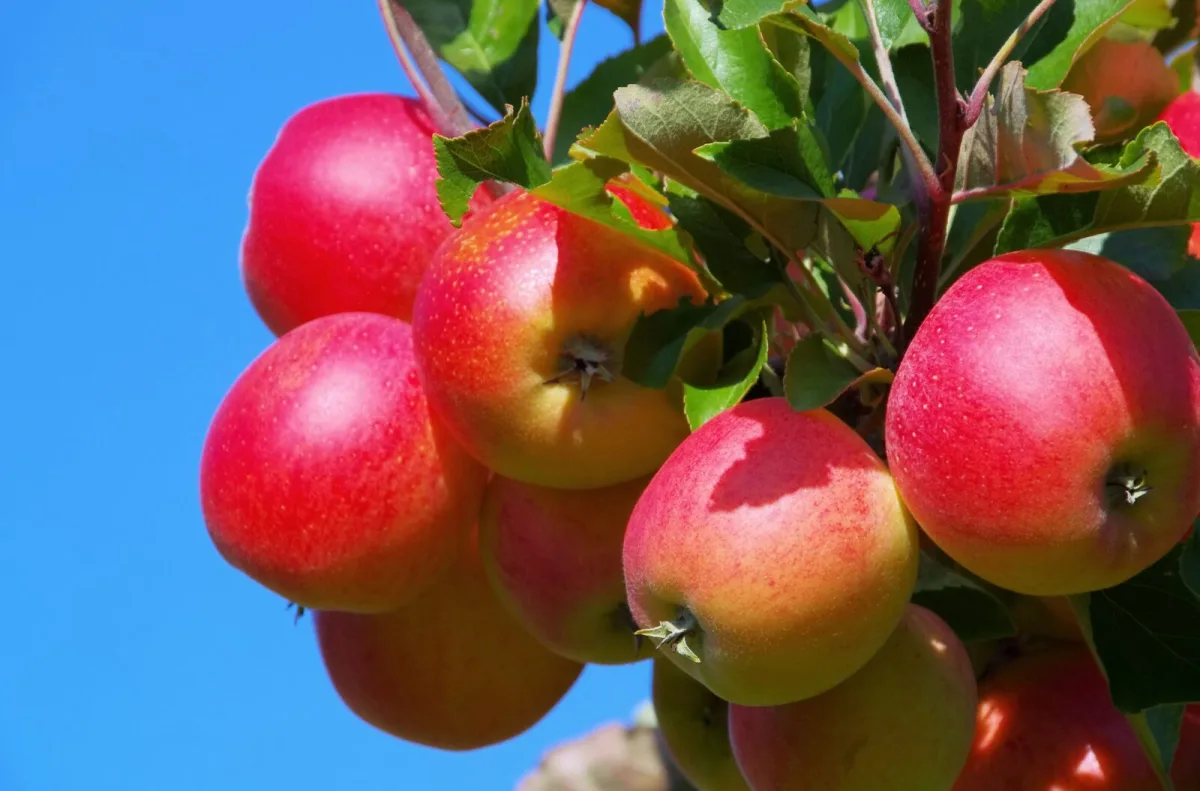
In recent years, climate change has been showing up clearly in the day-to-day work of both commercial fruit growers and home gardeners. The biggest challenge is the shift in the seasons: the end of winter is getting shorter, and the first warmer days arrive as early as February or at the beginning of March. Trees respond quickly to this kind of warmth, breaking bud and often flowering at a time that used to be considered high-risk.
The trouble is that the warm spell rarely lasts. Late spring frosts return almost regularly, and even a brief drop in temperature for a few hours is enough to damage sensitive blossoms and newly set fruit. What looks like a promising start to the season can turn into an almost non-existent crop overnight.
Why some traditional fruit may become increasingly rare
Weather swings today are not limited to frost. It is increasingly common to see long dry spells followed by intense downpours. Trees and shrubs then lack moisture at the moment they need it most, and later heavy rain often does not put things right. Water runs off quickly, the soil can become compacted, and plants are left under stress that reduces both yield and fruit quality.
Step by step, this is bringing us to a point where traditional species and varieties that Czech gardens have long relied on are no longer cropping reliably in some areas. Growers talk about ever more frequent harvest failures and the fact that, for more sensitive trees, growing without protective measures can come down to sheer luck.
Apples are still number one, but the quality is changing
Apple trees are the most widely grown fruit crop here, yet the weather is not making things easy for them either. Late frosts can damage early-opened blossoms, and in some years growers lose a significant part of the crop. On top of that comes summer, which is increasingly dry and hot. The fruit then fails to size up as usual, and the tree struggles to keep development even.
Heat and lack of water also show up in flavour and texture. Apples may ripen faster, often with higher sugar levels and fewer acids, which shifts the classic flavour profile. Some harvests also show poorer flesh firmness: the fruit can seem more watery and lose the crisp bite people expect from good varieties.
Soft fruit suffers most from drought and heat during flowering
Bush fruits respond very sensitively as well, especially currants and raspberries. If a long dry period arrives during flowering and fruit set, plants may drop blossoms, fruitlets can shrivel, and some canes wilt. When these stresses repeat, the overall vigour of the bushes declines and the following year’s crop is often smaller.
Targeted care can help in gardens. The key is thorough watering: less often, but with a larger amount of water so it reaches deeper into the root zone. Mulching is also important, as it reduces soil overheating and slows evaporation. Even with good care, however, extreme heat and drought are a burden for soft fruit that did not need to be managed so often in the past.
Cherries pay the price for frost and for rain before harvest
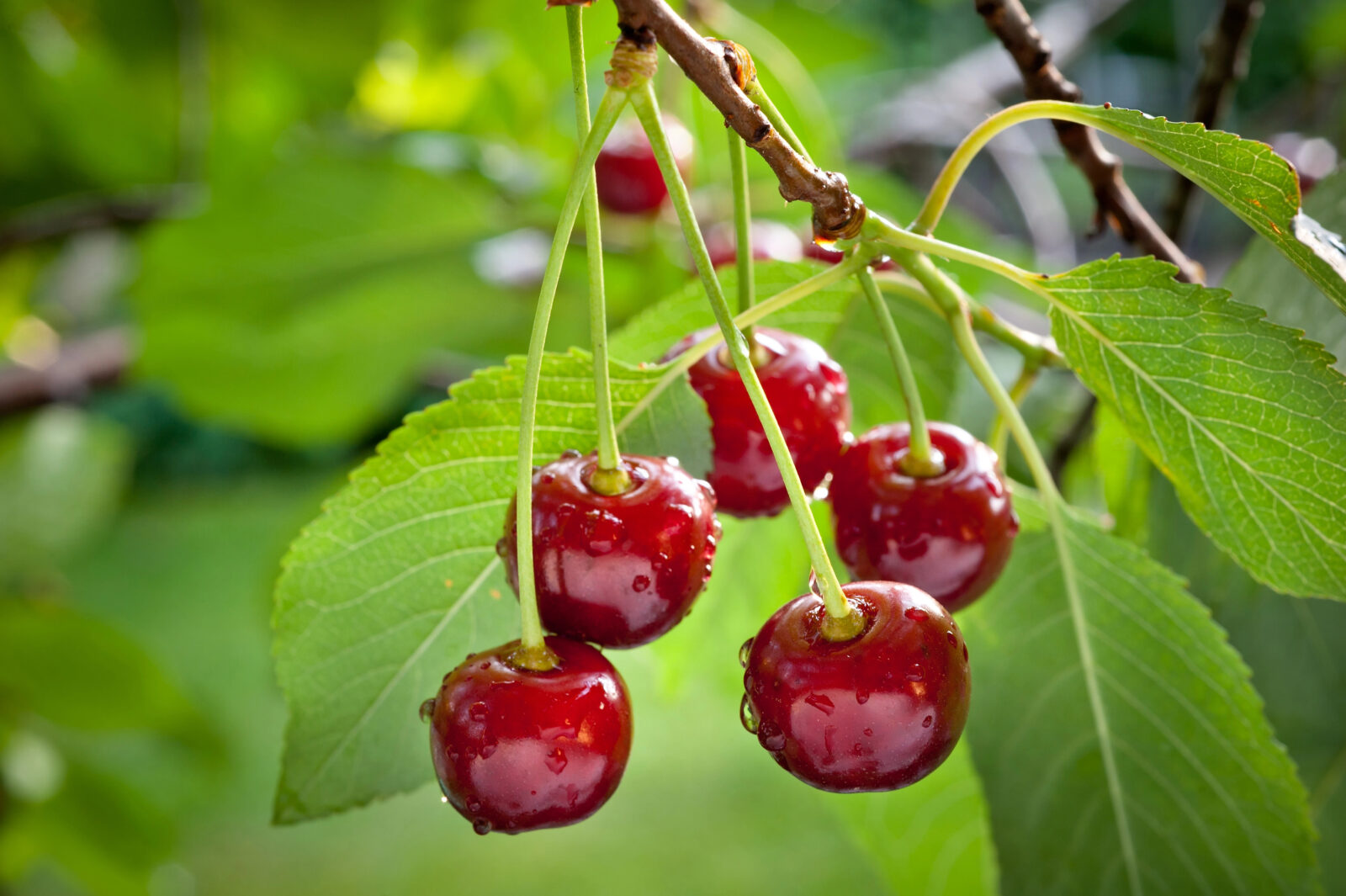
Cherries are among the species that can move into bloom very quickly. But if frost returns after a brief warm-up, the blossoms and young fruit often cannot withstand it. In that moment the damage is immediate, and the following harvest is weak or nonexistent, even in places where cherries have traditionally performed well.
Another risk arrives just before picking. Cherries can take up water through their skins, so if rain increases at the end of ripening, the fruit swells quickly and may split. On the other hand, during prolonged drought the cherries stay smaller and lose juiciness. The result is striking year-to-year swings in quality, which complicates both growing and harvest planning.
Apricots are the most at risk, and may disappear from some areas
The greatest concern is often linked with apricots. They flower early, and their blossoms are exceptionally sensitive to frost. While closed buds can tolerate a bigger temperature drop, full bloom withstands only a light frost, and young fruit after petal fall can be damaged even by temperatures around 0 °C. In practice, that means even a seemingly minor frost can wipe out the whole season.
Fruit growers therefore warn that if frequent spring frosts, long dry periods, and other symptoms of climate change continue, growing apricots in parts of the Czech Republic may become increasingly difficult. Without well-planned protection or the choice of more resilient varieties, apricots may become fruit that is far less common in gardens than it used to be.
What growers are doing to save the crop
The last few years have shown that the weather can be most treacherous in spring. Add drought in summer, and it is no surprise that seasonal fruit can become more expensive and less available. For growers, that means one thing: if they want to pick at least something, they have to invest more often in protection and prevention.
That is why orchards are increasingly using hail nets and frost-protection systems. Methods include water misting or fine irrigation that, when it freezes on the surface of blossoms, forms a protective layer and helps keep tissues at a safer temperature. Some growers choose simpler measures too, such as whitewashing trunks in spring, which slows the warming of the tree and can delay the start of growth.
Alongside technical solutions, the choice of varieties and planting sites is becoming more important. More resilient cultivars are being planted more often, ones that cope better with a warmer climate, or those that flower later and carry a lower risk of frost damage. In many gardens it is no longer just about how you care for a tree, but also which fruit you choose so it has a real chance of cropping reliably under new climate conditions.
The future of Czech gardens will be more about adaptation than habit
Today’s weather changes affect virtually all common fruit crops, just in different ways. One is hit by late frost, another by drought, and sometimes by too much water at the wrong moment. The common thread is uncertainty and wider fluctuations in results. What once worked as a steady gardening routine is turning into a search for balance between protection, watering, variety choice, and the right timing of care.
If the trend continues to intensify, some fruits may become a rarity in certain regions. At the same time, smart prevention, suitable varieties, and better water management can reduce at least part of the risk. Czech gardens do not have to lose their fruit trees, but they will need to adapt more to the reality that the weather no longer follows the old rules.
Source: Novinky, Zemědělec, Fakta o klimatu, Bioreality, Pestrazahrada.cz

A lover of nature, gardens, and everything that moves, blooms, or grows. He literally grows everything, from herbs to rare species, and he enjoys caring for animals just as much. In his work, he connects modern technology with tried-and-tested grandmotherly methods and is happy when both paths lead to the same goal.
Related articles
Why the Tree That Feeds a Family for Generations Is Disappearing from Czech Gardens
The English walnut used to be a staple of larger gardens and farmyards, valued for its nutritious nuts and many practical uses. With the right site and variety, it remains one of the most rewarding long-lived trees you can plant.
How to Get Rid of Mice and Rats in the House, Loft and Garden Effectively
Mice and rats don’t leave quietly—scratching sounds, droppings and gnaw marks are clear warnings. A lasting solution comes down to three steps: block entry points, remove food sources, then use traps or professional control.
Two Mistakes When Harvesting Onions Can Cut Your Supply by Months
With good growing and the right handling, onions can turn into a near year-round pantry staple. These simple harvest and curing steps determine whether they keep for weeks or for months.
Comments (0)
Be the first to comment.