Five Shrubs Autumn Pruning Will Ruin Even After Flowering
Autumn tidy-ups can be tempting, but cutting the wrong shrubs now can remove next year’s flower buds. Learn which popular ornamentals should be left alone until after flowering or spring.
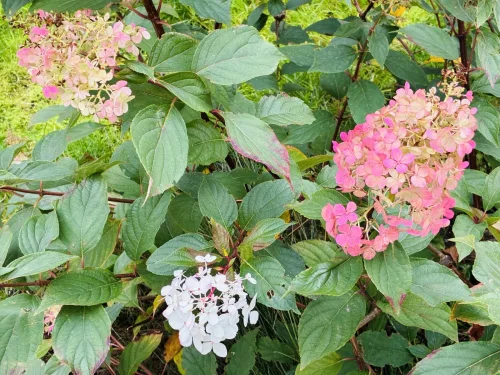
As hydrangea blooms fade into softer autumn tones, the right fall care helps shrubs stay healthy and flower well next year. Avoid cutting the wrong types and focus on protection, hygiene, and restraint.
Tidying the garden in autumn is tempting, but October pruning can cost your hydrangeas next year’s flowers. Only two light interventions make sense this time of year; everything else is best left until the right season.
Many hydrangeas set their flower buds the year before, so pruning at the wrong time can remove next season’s blooms. Learn which types you have and when to cut back to keep flowers coming.
Hydrangeas reward you with bigger, showier blooms when they’re pruned at the right time and in the right way for the type you grow. Leaving spent flowerheads on over winter can even help protect tender buds from frost.
Pruning hydrangeas in September can wipe out next season’s blooms if you cut the wrong type. The key is knowing whether your hydrangea flowers on old wood or new wood.
Tidying up hydrangeas in autumn can be tempting, but cutting at the wrong time can remove next year’s flower buds. Everything depends on whether your hydrangea blooms on old wood or new wood.
Once hydrangeas finish flowering, a few well-timed September jobs help the wood ripen, roots stay protected, and next season’s flowering potential remain intact. Focus on nitrogen-free feeding, light pruning, and sensible winter preparation—especially for plants in pots.
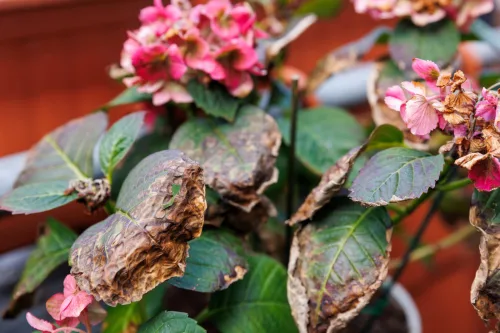
Brown leaf edges or spots on hydrangeas usually point to a simple mismatch in light, watering, or airflow rather than a lost cause. Learn how to read the symptoms and restore your shrub quickly with gentle, practical fixes.
Hydrangeas don’t all set flower buds the same way, so autumn tidy-up can either protect next year’s blooms or remove them. Learn when to deadhead, how hard to prune by type, and how to winter-protect plants in the ground and in pots.
In August, hydrangeas are still using huge amounts of energy to flower while already starting to harden growth for autumn. Switching to low-nitrogen feeding with more potassium and phosphorus helps blooms last longer and plants head into cooler weather stronger.
Hydrangeas can look limp in hot weather even if you’ve been watering faithfully. The key is to check what’s happening in the root zone, then adjust watering, shade and mulching so the plant can actually use the moisture available.
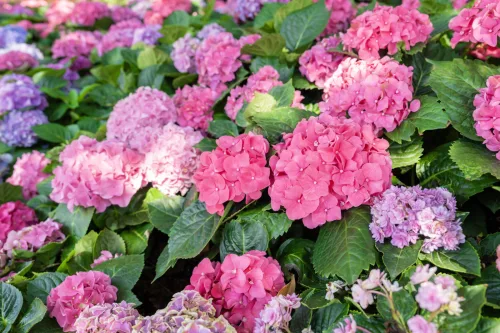
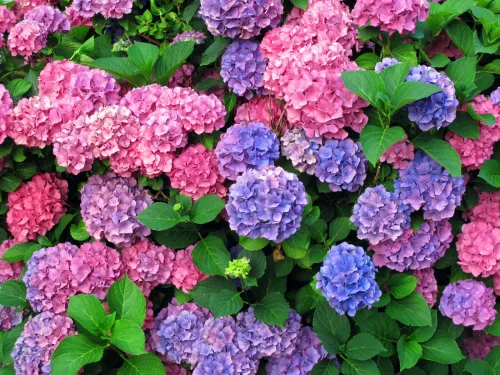
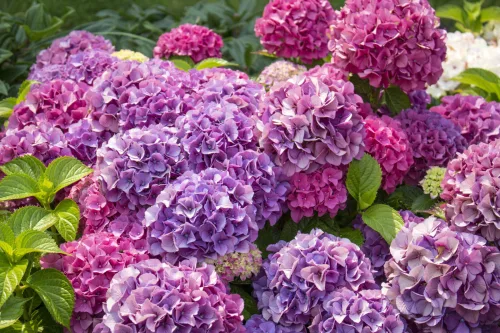
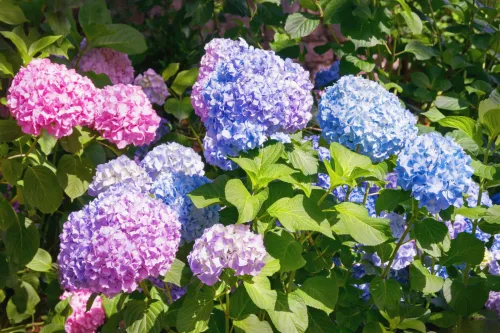
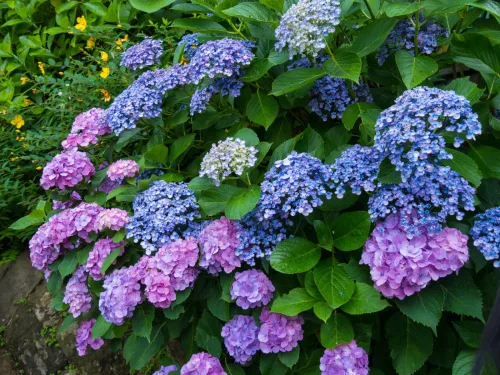
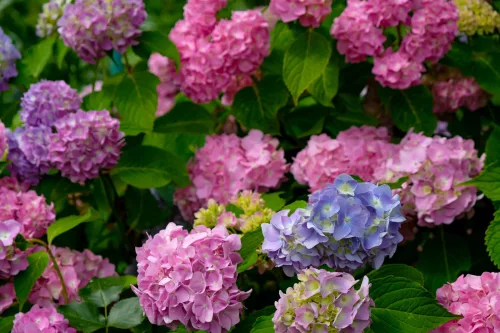
Hydrangea colour isn’t always fixed by the variety. With the right soil pH and consistent care, you can gradually shift some hydrangeas from pink to blue and help them stay that way.
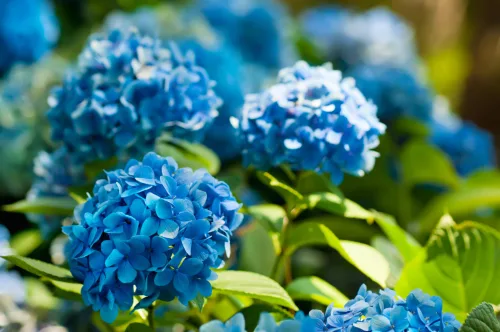
Blue hydrangea flowers don’t happen by chance—they depend on the right soil conditions and steady care. With the proper pH and a few practical tweaks, selected varieties can shift from pink to blue over time.
When a hydrangea’s blooms and leaves turn brown and start to dry, it’s usually a sign the plant is stressed, not just unattractive. Most often it’s caused by harsh sun, watering mistakes, or frost damage—and with timely changes it can bounce back and flower well next season.
Hydrangeas thrive when the soil is properly acidic, with balanced nutrition and—on blue varieties—aluminium availability. Household “acidifiers” can help, but they work best as a supplement to a reliable fertiliser for acid-loving plants.
Hydrangeas spend a lot of energy in July and August, so a well-timed feed can keep blooms coming and leaves looking fresh. Focus on potassium and phosphorus, water properly, and avoid high-nitrogen fertilisers mid-summer.
Hydrangeas are adaptable shrubs that reward you with lush flowers from summer into autumn. Get the basics right—site, watering and the correct pruning timing—and they’ll thrive for years.