
 English
  Polski
  Deutsch
  Nederlands
  Svenska
  Norsk
Norsk  Dansk
Dansk  Français
  Italiano
  Español
  Português
  Slovenčina
  Suomi
Suomi  Gaeilge
 Hydrangeas Need Acidic Soil and You Can Create It Yourself
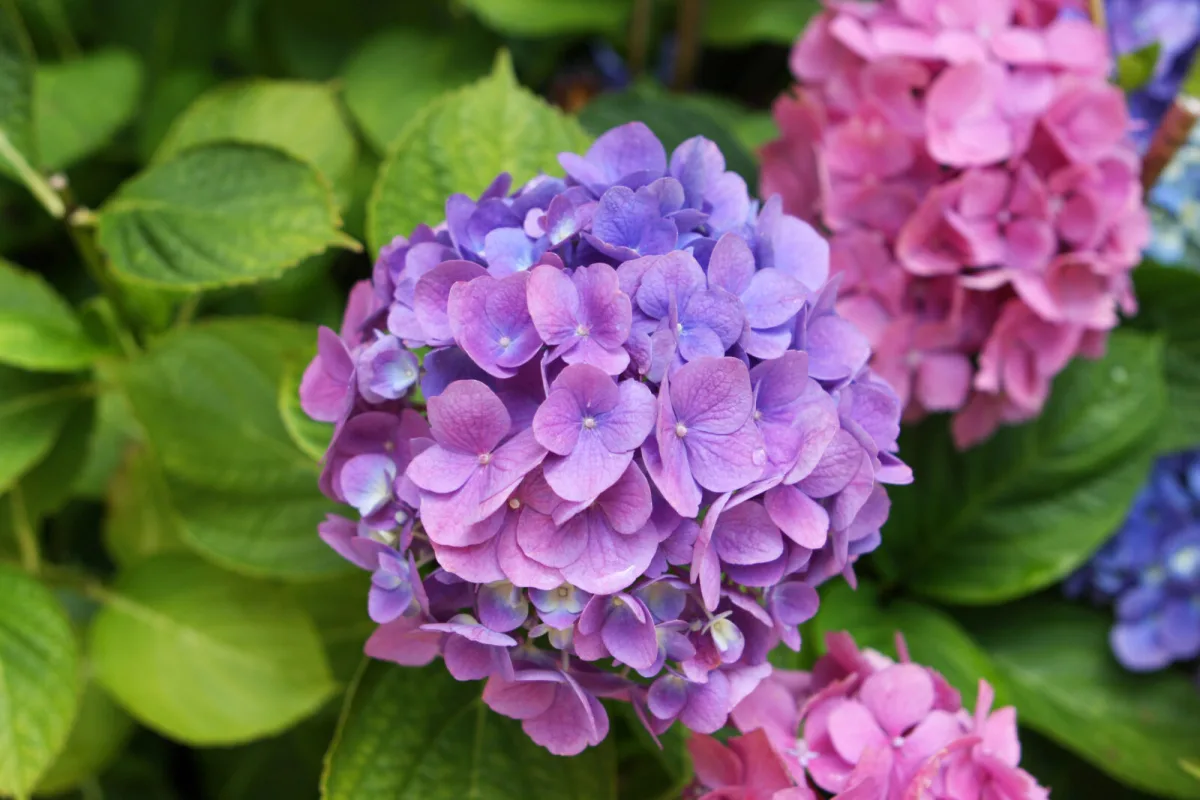
Hydrangeas are among the most popular ornamental shrubs, but regular watering alone won’t guarantee abundant flowering. A common mistake is relying only on household additions such as coffee grounds or pine needles and expecting miracles. These materials can help, but on their own they usually won’t provide balanced nutrition or maintain the right soil conditions over the long term. With hydrangeas, the key is correct pH, nutrient availability and—on blue cultivars—the ability to take up aluminium.
Acidic pH is the foundation of success
The most important requirement for healthy hydrangeas is an acidic growing medium. The ideal soil reaction is roughly in the range of pH 4.5 to 5.5. In this environment the plant takes up essential nutrients more effectively, and blue varieties can also absorb aluminium, which is crucial for deep blue flower colour.
If hydrangeas grow in ordinary garden soil with a higher pH, aluminium uptake is poor. The result is usually obvious: blue blooms gradually shift towards pink tones, or the colour fades overall and the flower heads look dull.
What nutrients hydrangeas need and how to handle nitrogen
Besides acidic soil, hydrangeas appreciate adequate phosphorus, potassium and trace elements. Nitrogen, on the other hand, should be used with care. Overdoing nitrogen encourages lush leafy growth, often at the expense of flower bud formation. That’s why it pays to use fertilisers designed for ericaceous (acid-loving) plants and treat household materials more as a supplement that helps maintain a suitable environment.
What from the household can genuinely help hydrangeas
Household additions usually work mainly by gently acidifying the soil and improving its structure. You’ll get the best results when you combine them with a quality fertiliser for acid-loving plants that delivers exactly what the shrub needs.
Coffee grounds in moderation
Used coffee grounds can slightly acidify the soil while adding a small amount of nitrogen and organic matter. The key is not to overdo it. The ideal approach is a thin layer lightly worked into the soil surface about once every two to three weeks. Too thick a layer can restrict air reaching the roots and may cause the soil to compact more.
Conifer compost for long-term soil adjustment
Compost made from needles, cones, or pine/spruce bark lowers pH gradually and naturally. It also improves soil structure, making it more open and better at managing moisture. That’s why it’s one of the gentlest ways to create a consistently suitable environment for hydrangeas.
Peat as a quick fix and a moisture reservoir
Peat helps increase the acidity of the growing medium and also holds water well, which hydrangeas particularly appreciate in hot summer weather. You can work it into the top layer of soil around the shrub, or use it at planting time. A mix of peat with perlite or sharp sand often works well too, because it stays airy and doesn’t become waterlogged.
Pine bark mulch protects and also acidifies
A mulching layer of pine bark is practical for several reasons. It helps retain moisture, limits weed growth and protects the root system from overheating. As it slowly breaks down, it also gently acidifies the soil, supporting more stable conditions throughout the season.
A method for blue hydrangeas to keep their colour
If you want blue hydrangeas to stay truly blue, acidic soil alone isn’t enough. In spring, it’s a good idea to work a mix of peat and conifer compost into the soil in roughly a 1:1 ratio. Then apply a granular fertiliser for acid-loving plants, such as one formulated for rhododendrons or azaleas, and follow the manufacturer’s dosage.
During the growing season, you can add a small amount of coffee grounds once every two to three weeks. If you want to intensify the colour even more, you can apply aluminium sulphate about once a month, sold as a treatment for blue hydrangeas. It only makes sense if the soil is acidic enough, and it’s always essential to stick to the recommended rate. This combination helps ensure balanced nutrition while also creating the conditions the plant needs to absorb aluminium properly.
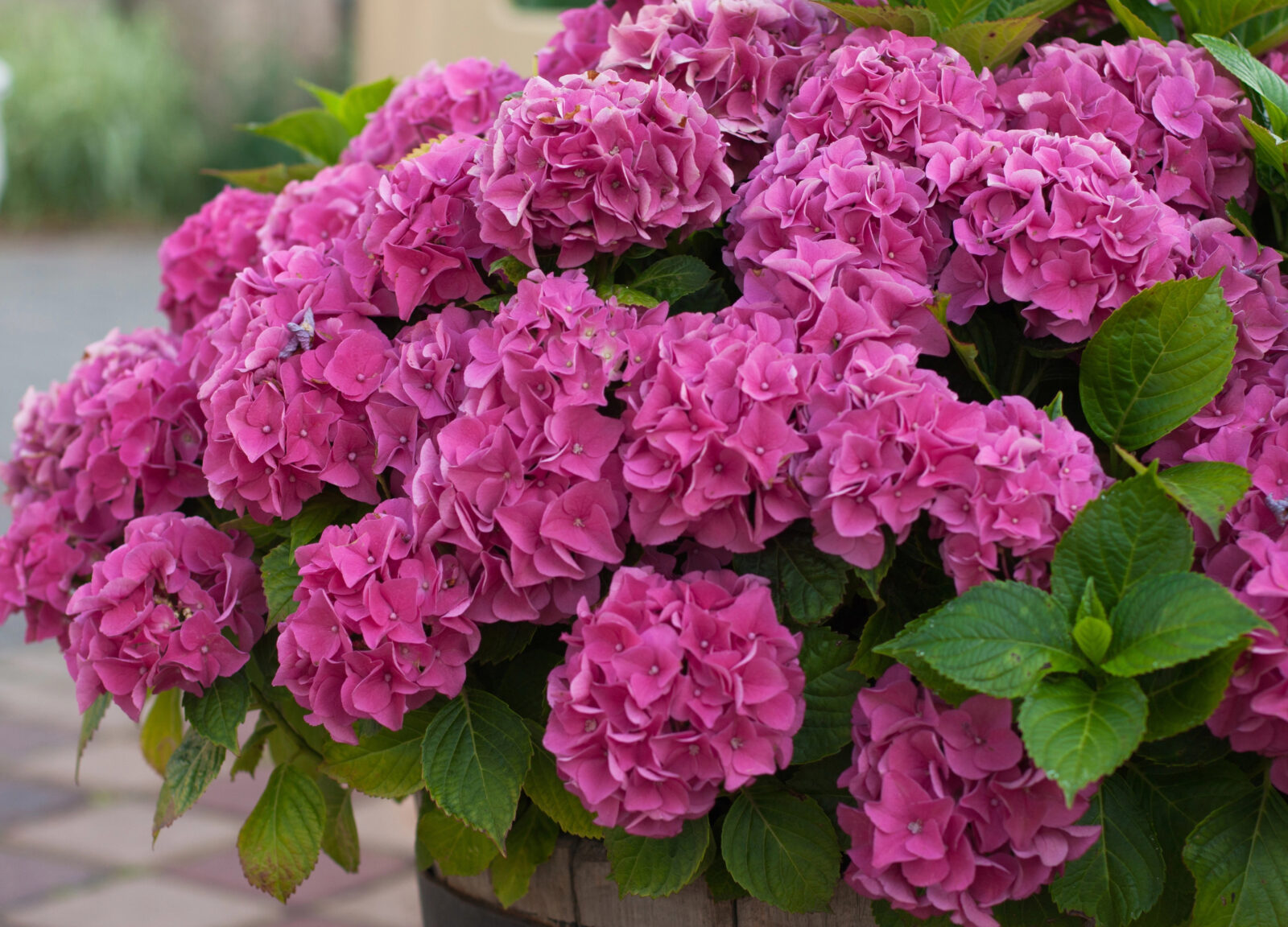
What to avoid with hydrangeas
Some popular household tips can do more harm than good for hydrangeas. Wood ash in larger amounts raises soil pH significantly. This can cause blue varieties to turn pink, and it may also trigger signs of iron deficiency, typically yellowing leaves with green veins. Purely nitrogen-based fertilisers also mainly push leafy growth, and flowering tends to be weaker.
Strongly concentrated solutions of vinegar or lemon juice are risky too. They may act as a quick acidifier, but they can damage roots and disrupt the natural soil environment. If you want to adjust pH, it’s safer to use gradual, proven methods such as peat, conifer compost and bark mulch.
What works best in practice
The best results usually come from combining a quality fertiliser for acid-loving plants with natural soil acidification. When you keep pH within the recommended range, supply phosphorus, potassium and trace elements, and stay cautious with nitrogen, hydrangeas will reward you with healthy growth and abundant flowering. It’s not a one-off household trick, but well-set conditions in which the plant can make the most of what you provide.
Source: Bolton Turf, Proven Winners, Pestrazahrada.cz

A lover of nature, gardens, and everything that moves, blooms, or grows. He literally grows everything, from herbs to rare species, and he enjoys caring for animals just as much. In his work, he connects modern technology with tried-and-tested grandmotherly methods and is happy when both paths lead to the same goal.
Related articles
A Pineapple Top Will Root in Two Weeks, but Success Depends on the Step Most People Skip
Don’t throw away the leafy crown when you cut a pineapple. With the right prep, light, warmth and careful watering, you can root it and grow a houseplant that may eventually fruit.
Overwintering Geraniums in a Box Ensures Stronger Growth and More Abundant Spring Bloom
Many people throw balcony geraniums away after the season, even though they can overwinter very well. Stored correctly in a box in cool, dark, dry conditions, they’ll come back stronger and flower generously in spring.
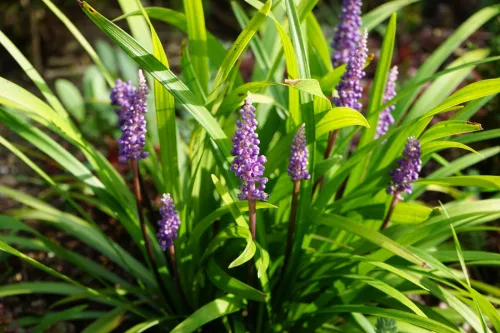
This perennial flowers when others are finishing, thrives in shade and is still little known in the Czech Republic
Liriope is a tough, evergreen perennial with grassy foliage that comes into its own at the end of summer, when many other plants are fading. It thrives in partial shade to shade, needs little care, and adds structure to borders year-round.
Comments (0)
Be the first to comment.