
 English
  Polski
  Deutsch
  Nederlands
  Svenska
  Norsk
Norsk  Dansk
Dansk  Français
  Italiano
  Español
  Português
  Slovenčina
  Suomi
Suomi  Gaeilge
 Summer Fertilising for Hydrangeas to Keep Them Flowering into Early Autumn
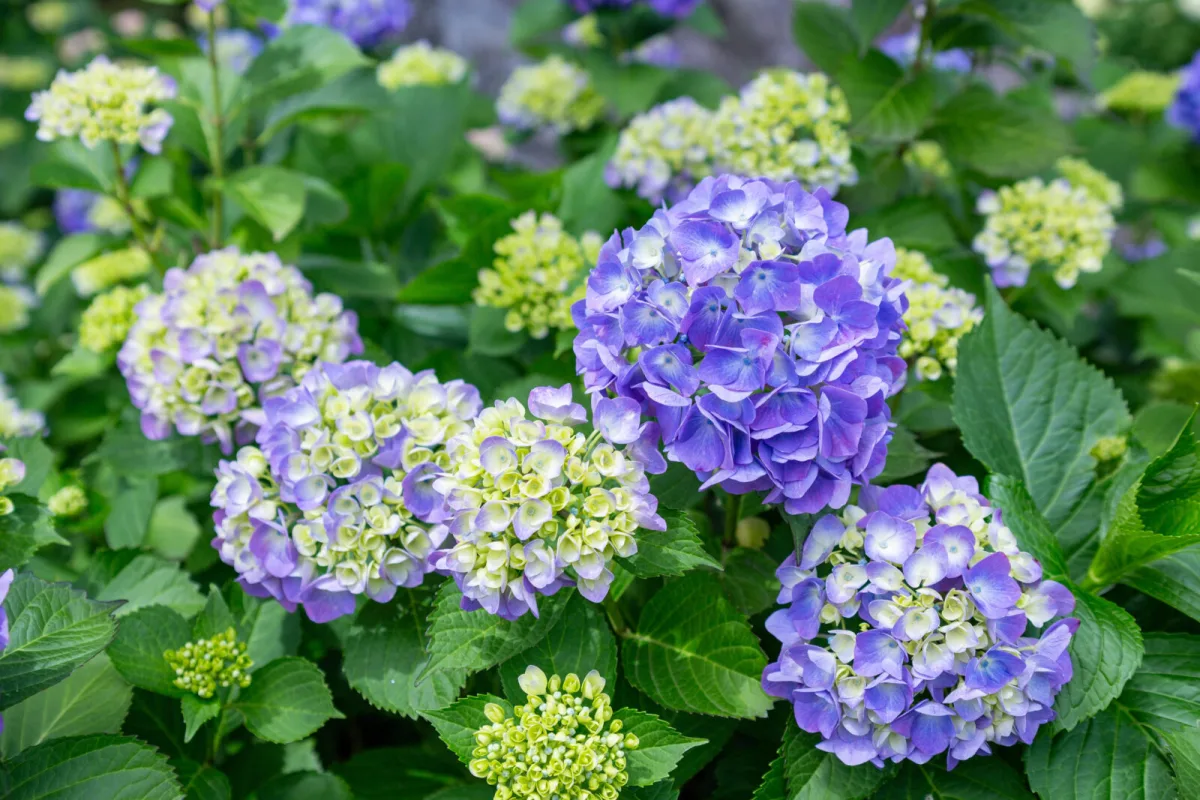
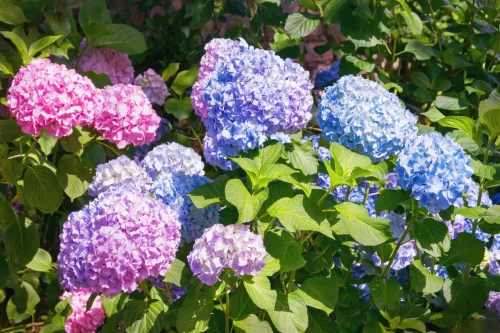
Hydrangeas are among the most popular ornamental shrubs because they produce large, showy flower heads in summer. To keep them blooming for longer and prevent them looking tired halfway through the season, it pays to give them the right nutrition in July and August. At this time, the plant uses a lot of energy not only to maintain open blooms, but also to form new buds. When nutrients are lacking, flower heads dry out faster, leaves can lose their colour, and the shrub gradually loses vigour.
What regular summer feeding does
Well-chosen supplementary feeding helps extend the flowering period and encourages a further flush of blooms. Leaf colour improves, and the plant copes better with summer stress, especially high temperatures and fluctuating moisture levels. The point of summer nutrition is not to force lush, leafy growth, but to keep performance steady through flowering and prepare the shrub for the end of the growing season.
Which nutrients matter most in summer
By mid-summer it is no longer a good idea to push hydrangeas with heavy doses of nitrogen. Nitrogen does speed up leaf growth and new shoots, but during peak flowering it can divert energy where you do not want it. Instead of flowers, you mainly get greenery, and the flower heads may be less impressive.
In summer it is therefore worth focusing on two key components. Potassium helps produce firmer, larger flower heads, extends flowering, and also improves drought tolerance. Phosphorus supports bud formation, helps the roots, and strengthens the shrub’s overall condition, which is invaluable during a long season.
The fertiliser that works best in July
A practical option is potassium monophosphate. It contains a high proportion of both phosphorus and potassium, and the advantage is fast nutrient availability, so the plant can use it exactly when it is flowering intensively.
Prepare a solution by dissolving 10 to 15 g of potassium monophosphate in 10 litres of water and letting the fertiliser dissolve completely.
Apply correctly so you do not damage the roots
Before you start feeding, always water the soil with plain water first. Feeding into bone-dry ground can irritate sensitive roots, and nutrients are taken up less efficiently. Then pour around 5 to 8 litres of the prepared solution into the root zone of an established shrub.
The best time is morning or evening, when the sun is not beating directly on the leaves and the soil is not overheated. This reduces the risk of stress and helps the water and nutrients soak in evenly.
More natural options for those who prefer organic feeding
If you prefer gentler feeding, you can choose organic products. Their effect is slower, but nutrients are released gradually and the risk of overfeeding is lower. In practice, people often use a vermicompost (biohumus) extract, a liquid organic feed for flowering ornamentals, or specialist hydrangea fertilisers with a higher proportion of potassium and phosphorus.
Mulch after feeding helps hold moisture and maintain the right pH
After feeding, it is worth adding a layer of mulch around the shrub. Mulch reduces evaporation, slows weed growth, and creates a more stable environment for the roots. With hydrangeas it also helps maintain the slightly acidic soil reaction most types prefer. Pine bark, acidic peat, or fallen pine needles are all suitable.
How often to feed so it benefits the plant
During the main flowering period, feeding once every two to three weeks is usually enough. More frequent dosing is unnecessary and can cause nutritional imbalance, showing up as weaker growth, poorer flowering, or increased sensitivity to drought.
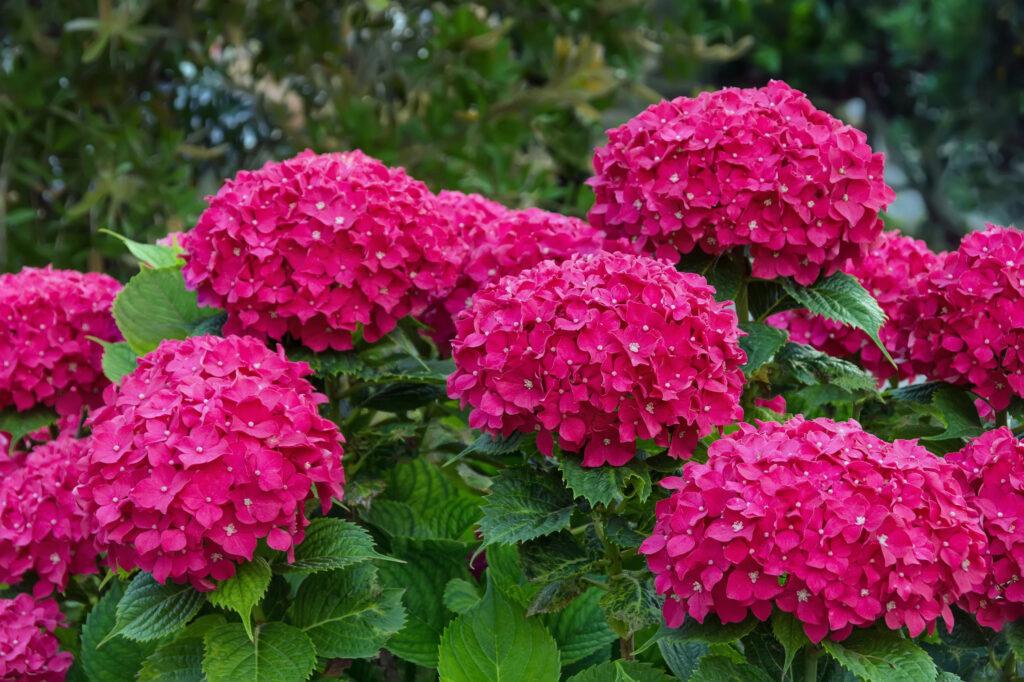
Without water, even the best fertiliser will not work
Hydrangeas have high moisture needs, and in hot weather they quickly become stressed without regular watering. Water deeply at the root zone and do not let the soil dry out completely. Avoid frequent light sprinkling, which encourages roots near the surface and reduces nutrient uptake from deeper layers. Consistent moisture is essential so the shrub can use the nutrition and continue flowering abundantly.
What to avoid in summer
In July and August it is best to avoid high-nitrogen fertilisers, feeding into completely dry soil, or applying nutrients during midday heat. It is just as important not to exceed the recommended dose, because an excess of nutrients can be as much of a problem as a shortage.
A simple routine that brings more flowers
If you give hydrangeas a potassium- and phosphorus-based feed in mid-summer, add enough water, and cover the soil with mulch, they will reward you with long-lasting, showy flowering. A few minutes of care every couple of weeks is enough to keep shrubs fresh, well nourished, and full of large flower heads right up to the first cooler autumn days.
Source: To je nápad, Gardening Know How, GrowVeg, Pestrazahrada.cz

A lover of nature, gardens, and everything that moves, blooms, or grows. He literally grows everything, from herbs to rare species, and he enjoys caring for animals just as much. In his work, he connects modern technology with tried-and-tested grandmotherly methods and is happy when both paths lead to the same goal.
Related articles
The More Often You Harvest, the Longer Plants Keep Cropping
With fruiting vegetables, frequent picking keeps plants flowering and producing for longer. A few crops, such as aubergines, are tastiest when harvested slightly earlier rather than fully mature.
Wasps Aren’t Just a Barbecue Menace They Can Ruin Your Garden Woodwork Too
Weathering isn’t always the main culprit behind damaged outdoor timber. Wasps can scrape fibres from boards and beams surprisingly fast, leaving grooves that soak up water and accelerate decay.
Why hydrangeas wilt in summer even when watered and how to save them fast
Hydrangeas can look limp in hot weather even if you’ve been watering faithfully. The key is to check what’s happening in the root zone, then adjust watering, shade and mulching so the plant can actually use the moisture available.
Comments (0)
Be the first to comment.