
 English
  Polski
  Deutsch
  Nederlands
  Svenska
  Norsk
Norsk  Dansk
Dansk  Français
  Italiano
  Español
  Português
  Slovenčina
  Suomi
Suomi  Gaeilge
 How to Get Browning Hydrangeas Back on Track Without Chemicals
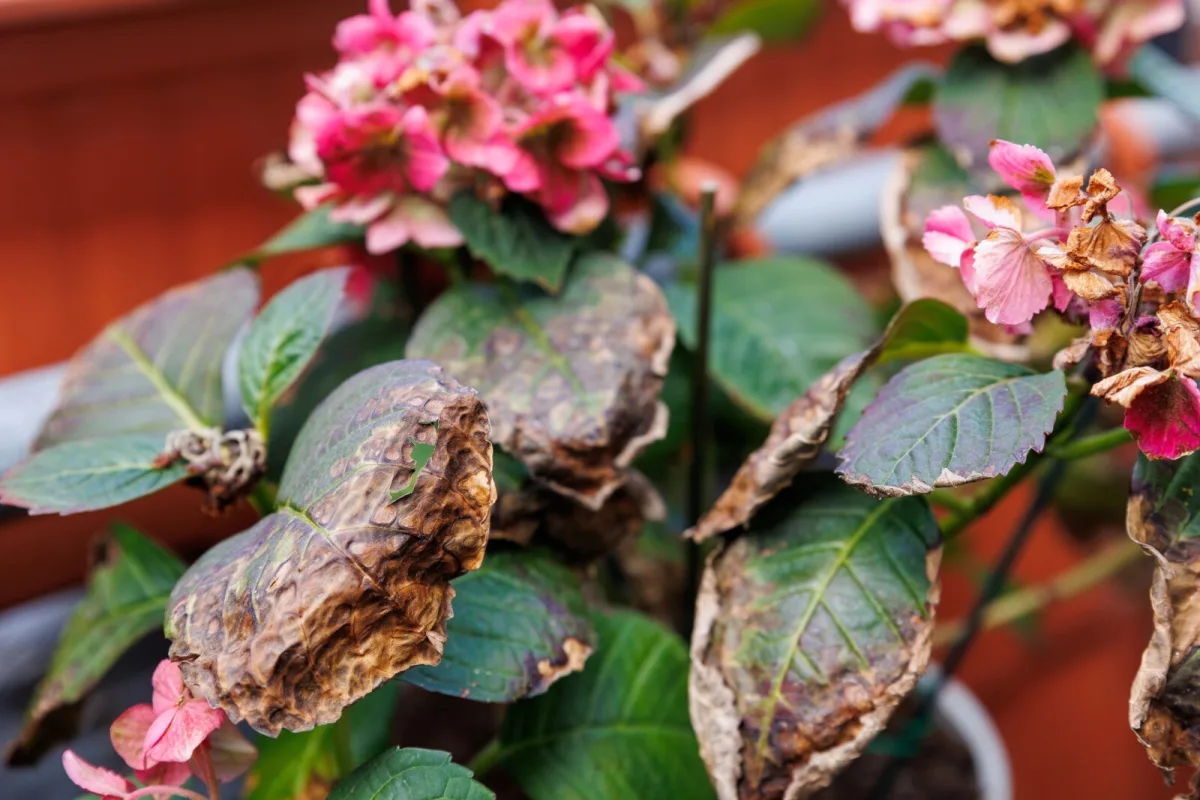
Hydrangeas can be an unmistakable highlight in the garden in spring and summer. It’s all the more disappointing when a shrub that looked fresh just recently starts to lose colour and brown edges or spots appear on the leaves. Often it happens even when you haven’t changed the position or your care routine. That’s exactly why it’s best to treat browning as a warning that the plant needs a small adjustment in conditions, not as proof that all is lost.
The biggest advantage is that the causes are usually repetitive and can be recognised by the look of the leaves and what’s happening in the bed. If you focus on a few typical problems, you can stabilise the shrub quickly and stop the damage from spreading into new growth and flowers.
Harsh sun and heat scorch the leaf edges
One of the most common reasons is the weather. A combination of intense sun and high temperatures can literally scorch the leaves, typically starting at the edges. The riskiest situation is hot afternoon sun in a spot without natural shade. If your hydrangea sits where the sun beats down during the hottest part of the day, moving it—or at least providing temporary shade during heatwaves—can help. Morning sun is usually fine and won’t compromise flowering.
Browning hydrangea leaves can have several causes, such as excessive sunlight, watering mistakes, pests, or fungal diseases. The key is to identify the reason first and only then choose the right intervention.
Spots that expand can point to fungus or bacteria
If small brown dots or blotches form on the leaves and quickly spread, it’s often an infection. It develops more easily in a dense shrub and in damp conditions where leaves stay wet for a long time after rain or watering. In practice, it helps to remove affected leaves, avoid overcrowding the shrub, and improve air movement around the plant. In places with a persistently humid microclimate, a spray with a copper-based product or a standard fungicide can also be useful to prevent the problem from escalating.
Watering should keep the soil moist, not waterlogged
Hydrangeas love moisture, but they can’t stand extremes. Prolonged drought shows up as loss of turgor, followed by crispy leaf edges and an overall dull look. Waterlogging, on the other hand, suffocates the roots, and the plant looks tired even though it has far too much water. The best approach is to water in the morning in summer so the foliage dries quickly, and to check that water drains away well. If water sits around the shrub, it’s worth improving drainage or amending the soil, because permanently wet roots also increase the risk of disease.
Pests often hide on the undersides of leaves
Sometimes the browning is caused by pests. Aphids, spider mites, or tiny insects can damage leaves by sucking sap, and the plant responds with spotting, drying, and overall weakening. Typical clues include sticky patches, fine webbing, or distorted young leaves. It’s worth turning leaves over regularly and checking. Remove badly affected parts and, if needed, use neem oil or a natural insecticide, which are usually gentle on hydrangeas while still effective.
A late spring frost can burn new shoots overnight
The last common cause is late frosts. Young shoots are sensitive, and a single cold night can make new leaves turn brown as if they’ve been scorched. Prevention includes mulching around the roots to stabilise soil temperature, and covering younger plants with horticultural fleece when temperatures are forecast to drop. It’s best to trim damaged parts only once it’s clear what won’t reshoot.
How to help hydrangeas recover quickly and regain strength
The best results come from a simple routine. First, note when and where the browning appeared—whether it’s sun-scorched edges, spots typical of infection, or general drying linked to watering. Then remove the most damaged leaves, adjust the conditions in the planting site, and keep moisture steady but sensible. If you respond early and adapt care to the weather and the shrub’s condition, hydrangeas usually bounce back quickly and stay beautiful well into autumn.
Source: Souther Living, The Spruce, Gardenino, Pestrazahrada.cz

A lover of nature, gardens, and everything that moves, blooms, or grows. He literally grows everything, from herbs to rare species, and he enjoys caring for animals just as much. In his work, he connects modern technology with tried-and-tested grandmotherly methods and is happy when both paths lead to the same goal.
Related articles
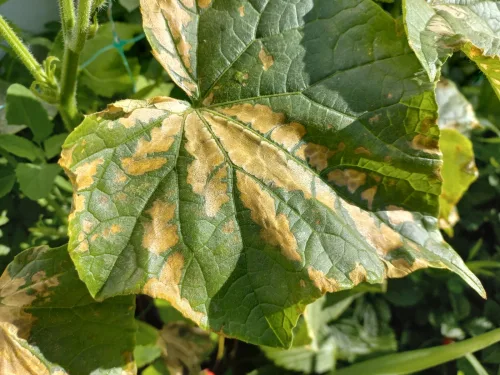
Yellowing cucumber leaves have a clear cause and with the right response plants recover quickly
Cucumber leaves turn pale and yellow when the plant is under stress—most often from watering mistakes, nutrient imbalance, or sudden temperature swings. Spot the pattern early and you can restore growth and protect your harvest fast.
Turn Ground Cinnamon Into a Secret Weapon for Stronger, Tougher Plants
Ground cinnamon isn’t just for baking—it can help protect houseplants and garden plants from mould and fungal issues, support cuttings, and even act as quick first aid for minor wounds. Used lightly, it’s an affordable, gentle, natural add-on to good growing practice.
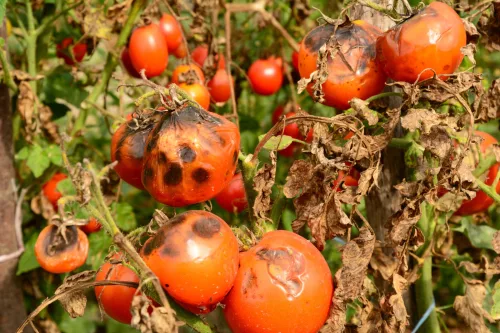
Late blight of tomatoes and potatoes spreads fast learn to spot it
Late blight can wipe out tomatoes and potatoes in days when conditions are right. Learn how to recognise the first symptoms and reduce the risk in your garden.
Comments (0)
Be the first to comment.