
 English
  Polski
  Deutsch
  Nederlands
  Svenska
  Norsk
Norsk  Dansk
Dansk  Français
  Italiano
  Español
  Português
  Slovenčina
  Suomi
Suomi  Gaeilge
 A Browning Hydrangea Isn’t the End, This Usually Saves It
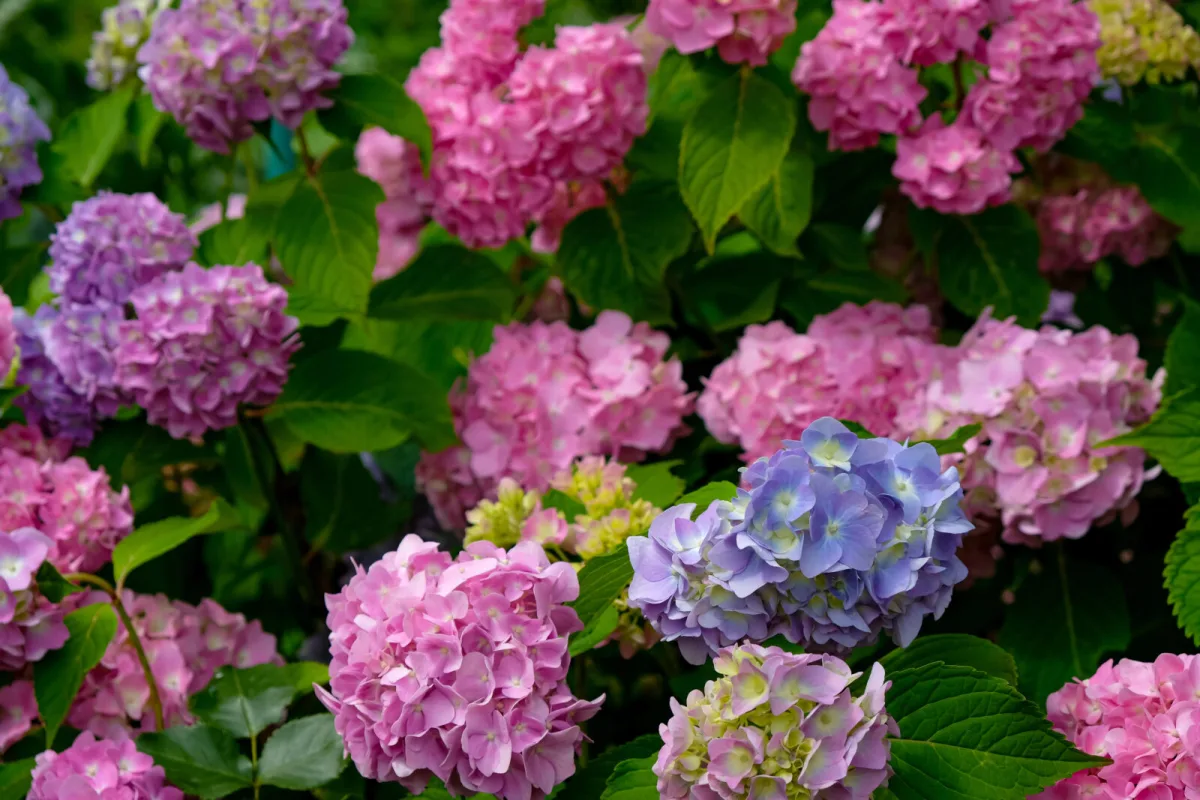
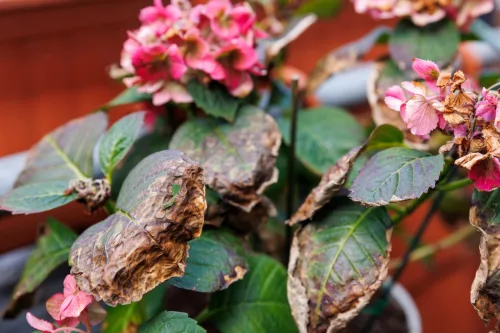
Hydrangeas can be real showstoppers in the garden, but sometimes their flowers and leaves start turning brown and gradually dry out. It’s not just an aesthetic issue—the plant is telling you the conditions aren’t right. Most commonly it’s a combination of overly intense light, watering mistakes, and frost damage. If you identify the cause in time, a hydrangea can usually recover and bloom generously again next season.
Too much sun and heat
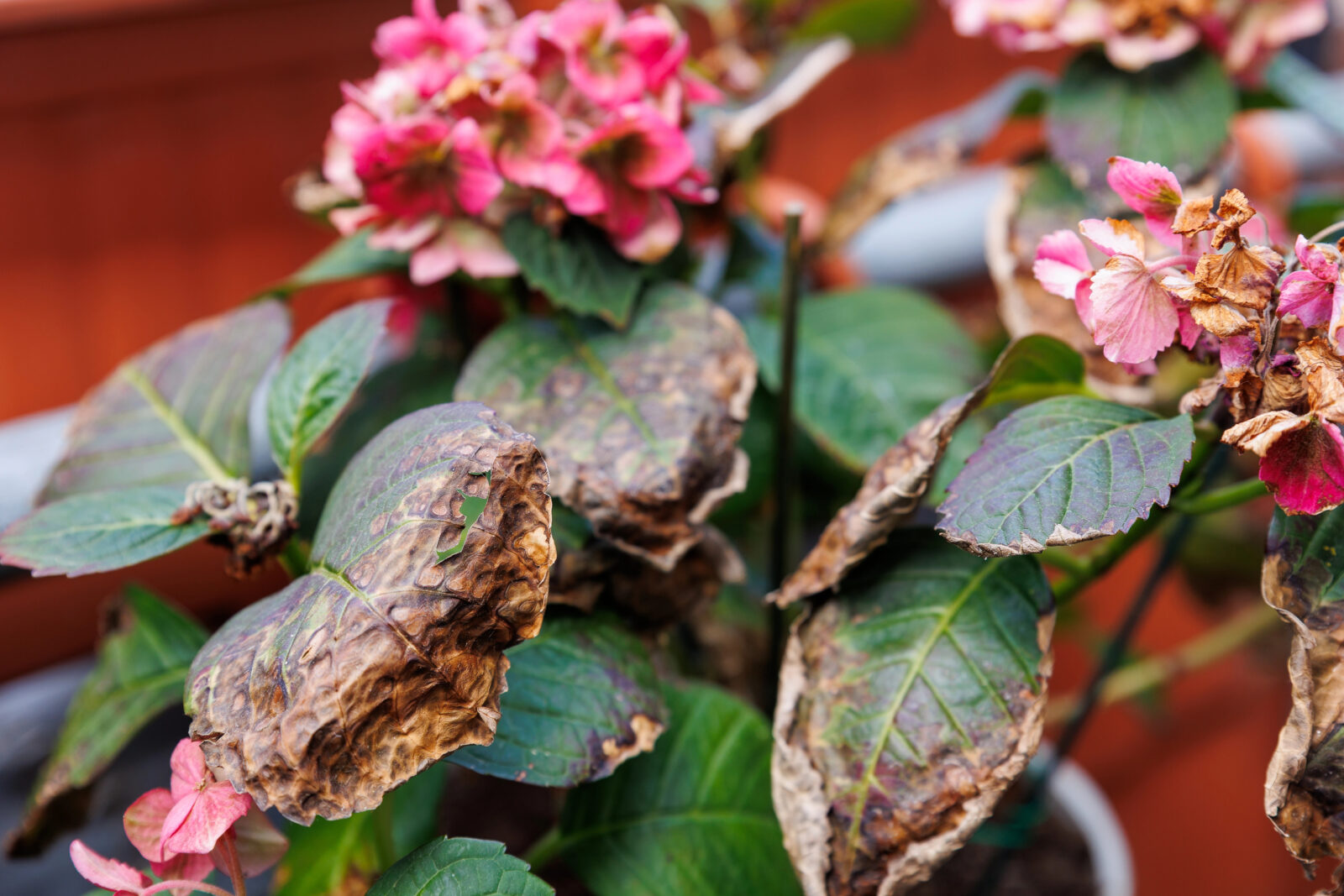
Hydrangeas are sensitive to direct summer sun, especially during heatwaves. When harsh light hits them for long periods, the flowers and leaves can quite literally scorch. You’ll see brown edges, blotches, and overall wilting that may not quickly disappear even after watering. Some cultivars show this more than others, but in general hydrangeas do best in partial shade.
If you’re only planning to plant one, choose a spot protected from midday sun—for example by a wall, fence, or beneath taller trees that provide dappled light. It’s also worth remembering that hydrangeas don’t like being moved. Frequent transplanting stresses them and can worsen their condition, which then shows up in the colour of the leaves and flowers.
How to reintroduce the plant to sun after winter
After winter, hydrangeas can be more sensitive because the new tissue is still forming. If you suddenly expose the plant to intense spring sunshine, it may respond with damage. Gradually acclimating it to brighter light, or providing temporary shade during the first hot days, helps. This reduces the risk of scorching, which often leads to browning of the flowers early in the blooming period.
Water without extremes and without standing water
Hydrangeas need regular watering, and the soil shouldn’t be allowed to dry out for long periods. But when roots sit in water, the opposite problem occurs. Waterlogging limits air reaching the roots, reduces nutrient uptake, and the plant may respond by wilting, yellowing, or browning leaves. Ideally, keep the soil evenly moist, but never waterlogged or muddy.
Water quality matters too. Hard tap water may not suit hydrangeas, because over time it raises the soil pH. The result can be paler leaves, yellowing, and general decline. If you can, use rainwater. An alternative is boiled tap water left to cool before watering, which is gentler than using cold, hard water straight from the tap.
What to check when the plant declines even with watering
If you water regularly and brown patches still appear, check drainage. Heavy clay soil can hold water, leaving the roots struggling. Improve the soil structure by working in suitable organic matter so it stays open and excess water can drain away. It’s also important, when growing in containers, to make sure water doesn’t remain in saucers.
Frost damage and ruined buds
With hydrangeas, how they get through winter is crucial. The plant forms buds at the end of summer, often in September, which will open the following year—typically in June. If the tips of shoots are hit by frost in winter or during late spring frosts, the buds can be damaged. You’ll notice them darkening, drying out, or not opening at all. On the surface it can look like a nutrition issue, but in reality it’s cold damage.
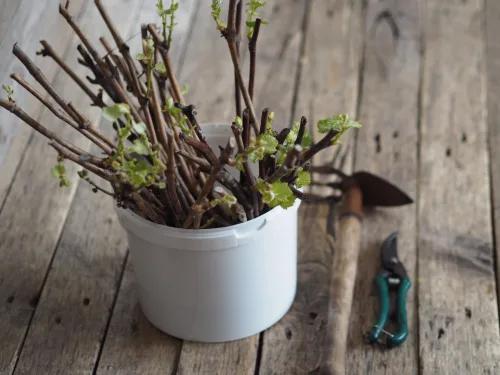
Prevention is winter protection, especially in colder regions or exposed, windy spots. It makes sense to protect both the root zone and the more tender growth above ground to reduce the risk of frost burn. After winter, inspect the plant and prune out damaged shoot tips so they don’t unnecessarily weaken the whole shrub.
Natural feeding that benefits hydrangeas
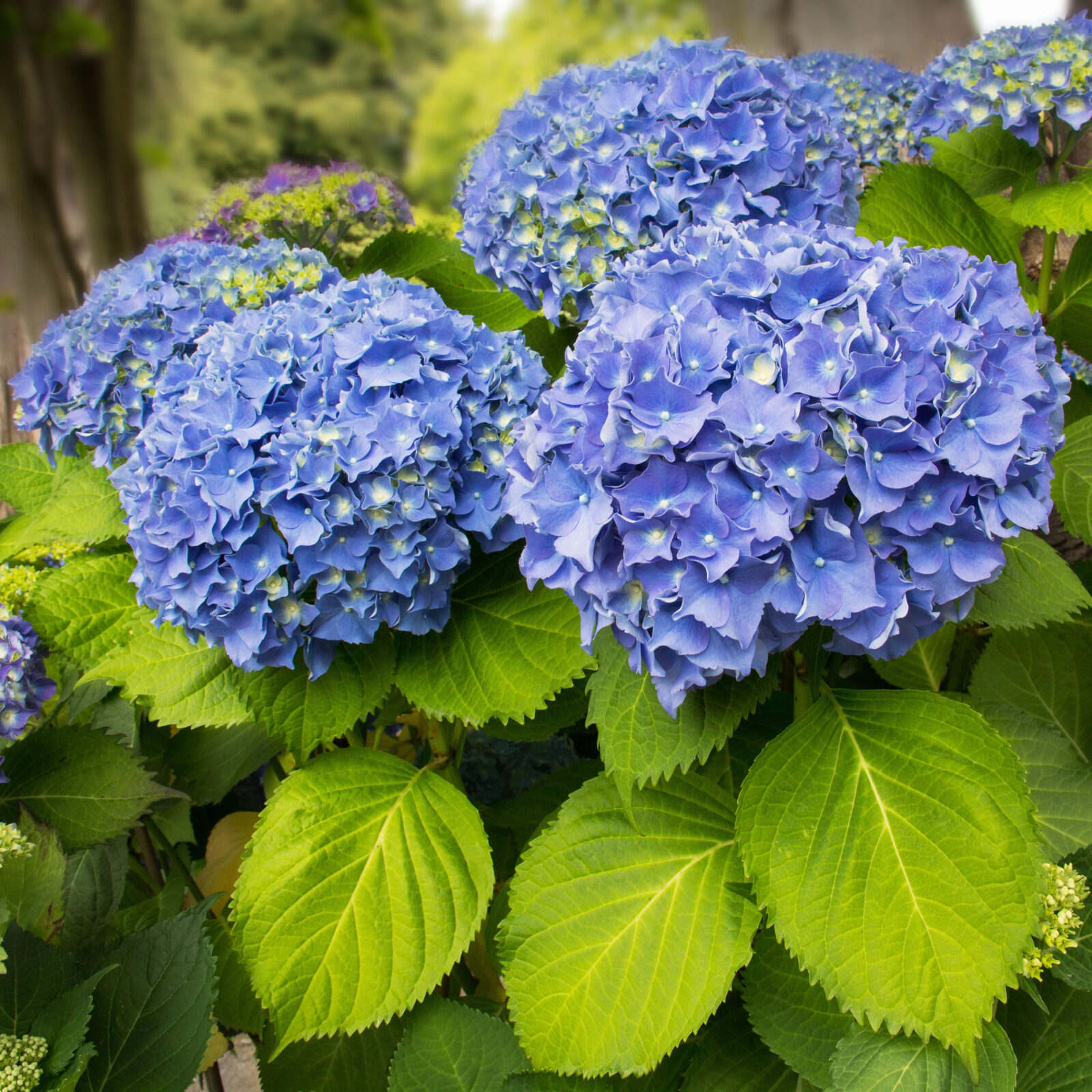
For healthy growth and abundant flowering, topping up nutrients helps—but you don’t have to reach for chemicals straight away. Hydrangeas are among the plants that appreciate simple natural fertilisers. Used coffee grounds work very well because they suit acid-loving plants and can also help gently acidify the soil. The right pH is important for hydrangeas, as it affects nutrient uptake and overall vigour.
Coffee grounds for nutrition and better soil
Coffee grounds contain a range of substances plants can use, such as nitrogen, phosphorus, magnesium, and potassium. To keep them practical in the garden and avoid unwanted mould, it’s better to let the grounds dry first. Then you can lightly work them into the soil or spread them beneath the shrub, where they’ll break down gradually. The key is not to overdo it—the goal is regular but modest feeding.
Compost and plant teas as a gentle alternative
Another option is compost, which improves soil structure and releases nutrients slowly. Many growers also use plant teas, for example nettle. These extracts can be effective, but they must be diluted before use. A proven ratio is one part tea to ten parts water, so the drench isn’t too strong for the roots.
How to help a hydrangea recover
If your hydrangea is browning, focus first on the site and light, because sun scorch shows up quickly. Next, adjust watering so the soil is neither dry nor waterlogged, and consider using softer water. After winter, check shoots and buds, and in colder areas give the plant protection from frost. You can also support it with natural feeding, such as dried coffee grounds or compost. When these basic conditions are balanced, the hydrangea usually stabilises and its flowers and leaves stay healthy and fresh.
Source: To je nápad, Gardening Know How, Pestrazahrada.cz

A lover of nature, gardens, and everything that moves, blooms, or grows. He literally grows everything, from herbs to rare species, and he enjoys caring for animals just as much. In his work, he connects modern technology with tried-and-tested grandmotherly methods and is happy when both paths lead to the same goal.
Related articles
Yellowing cucumber leaves have a clear cause and with the right response plants recover quickly
Cucumber leaves turn pale and yellow when the plant is under stress—most often from watering mistakes, nutrient imbalance, or sudden temperature swings. Spot the pattern early and you can restore growth and protect your harvest fast.
How to Get Browning Hydrangeas Back on Track Without Chemicals
Brown leaf edges or spots on hydrangeas usually point to a simple mismatch in light, watering, or airflow rather than a lost cause. Learn how to read the symptoms and restore your shrub quickly with gentle, practical fixes.
Turn Ground Cinnamon Into a Secret Weapon for Stronger, Tougher Plants
Ground cinnamon isn’t just for baking—it can help protect houseplants and garden plants from mould and fungal issues, support cuttings, and even act as quick first aid for minor wounds. Used lightly, it’s an affordable, gentle, natural add-on to good growing practice.
Comments (0)
Be the first to comment.