
 English
 Polski
 Deutsch
 Nederlands
 Svenska
 Norsk
 Dansk
 Français
 Italiano
 Español
 Português
 Slovenčina
 Suomi
 Gaeilge
Invasive raccoons are spreading fast in the Czech Republic
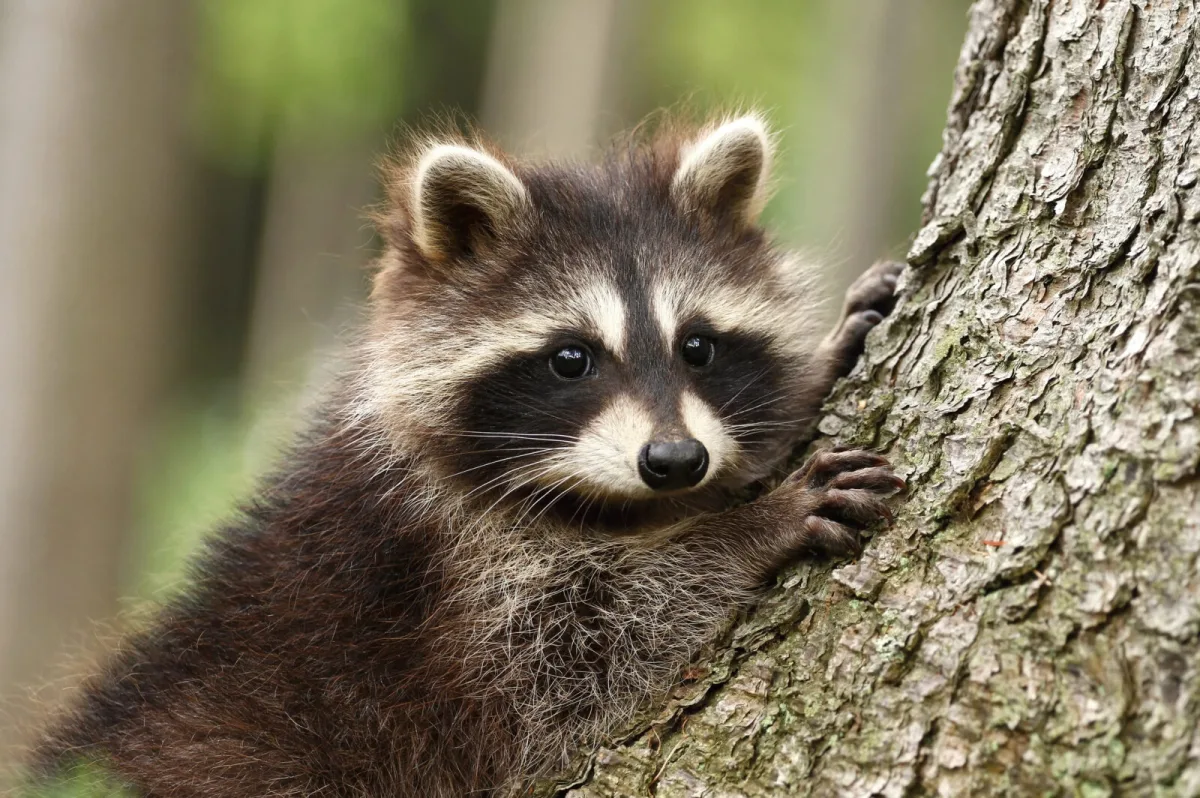
Talk of raccoons turning up in the Czech Republic has become much more common in recent years. It is no longer just the occasional record from woodland or remote areas. This animal is increasingly being seen in towns as well as close to people’s homes. Although it may look harmless or even cute at first glance, experts warn that its spread brings serious ecological and public-health problems.
More traps are being set and scientists are tracking the animals’ movements
Around Bor near Karlovy Vary, hunters have set out more than ten traps, which they check regularly. The aim is not just capture itself. Some of the caught animals are included in research in which scientists use tracking collars and other monitoring methods. They want to know where raccoons move, how far they travel, how many young they have, and whether they carry dangerous parasites.
Hunters admit that trapping is not easy. The raccoon is very agile and resourceful, and it can cope even with various types of live traps. Its cleverness has long made effective population control difficult.
A clever, adaptable intruder
A raccoon can open a rubbish bin, get into a henhouse, and climb up a downpipe right into a loft. Thanks to extraordinarily dexterous paws, it can reach places other predators normally cannot. But the problems do not end there. In Czech habitats it preys on amphibians and small mammals and raids birds’ nests. That makes it a threat to native species, including those that are protected.
Its spread is helped by the fact that it has few natural enemies here. In this new environment it has gained plenty of room to expand further. It is precisely this combination of adaptability, an omnivorous diet and a lack of predators that makes it an invasive species capable of establishing itself very quickly.
Numbers are rising and raccoons travel tens of kilometres
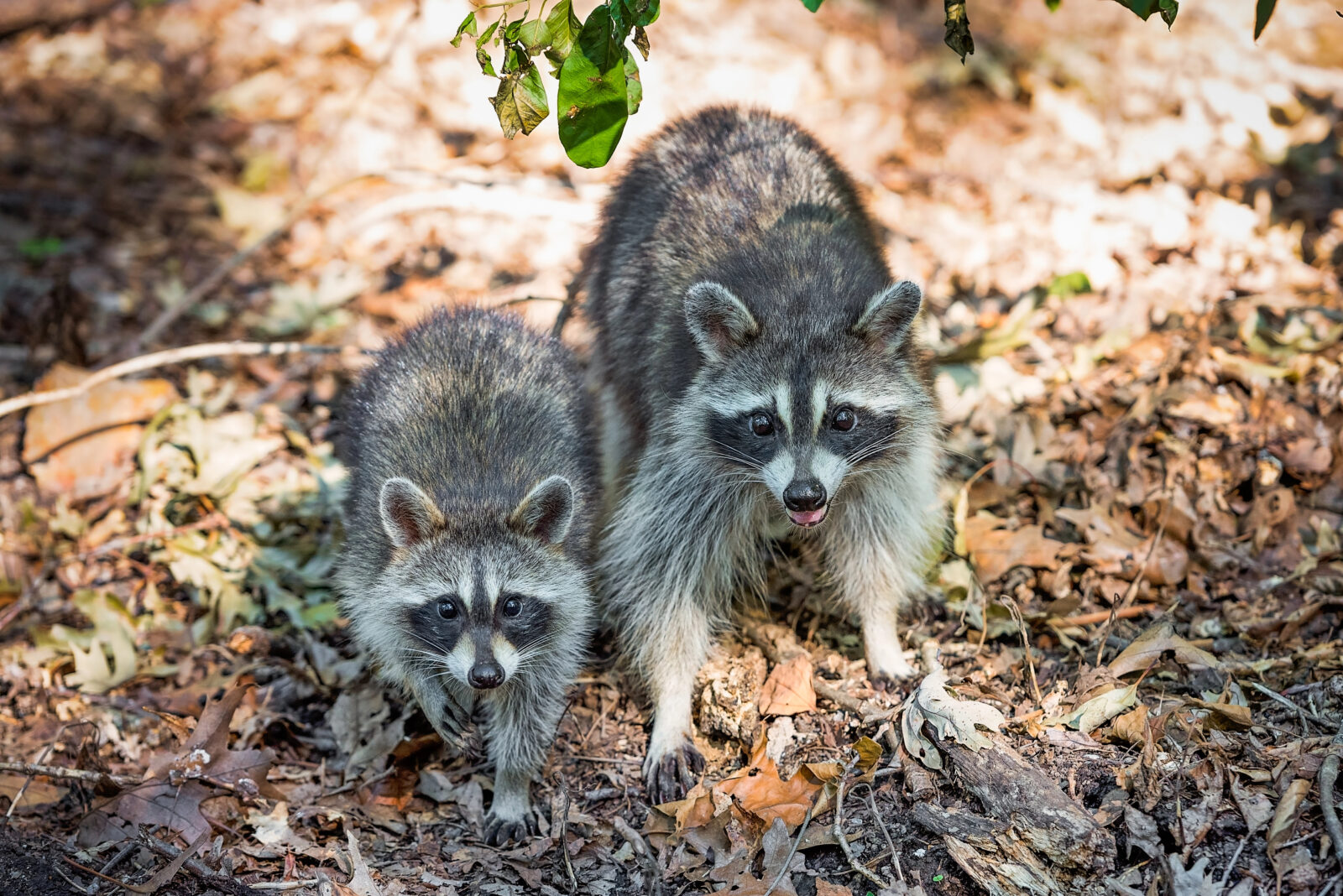
Just ten years ago, hunters in the Czech Republic shot fewer than a thousand raccoons. Last year the number reached almost three and a half thousand. The total population is estimated at the low tens of thousands of individuals. This shows the species is spreading quickly across the country and can no longer be seen as a marginal issue.
Monitoring of marked animals also confirms that raccoons are capable of travelling long distances. An individual tagged near Mělník was later shot in Lysolaje. Cases like this show they can move tens of kilometres and colonise new areas, including densely populated ones.
A health risk and a challenge for regulation
Alongside damage to nature, health risks are also highlighted. Raccoons can carry a parasite known as raccoon roundworm, which can be dangerous to other animals and, in some cases, to people as well. That is why checking the health status of trapped animals is an important part of the research.
Under hunting regulations, the raccoon is classed among species whose numbers should be controlled. Hunters warn, however, that without stronger state support and financial incentives it will not be possible to slow its expansion effectively. If workable measures are not put in place, the population could become much denser.
Where raccoons come from and how they reached Europe
The common raccoon is native to North America, mainly the area of today’s United States and Canada, and parts of Central America. In its home range it lives in woodlands, wetlands and close to human settlements. It arrived in Europe through human activity, particularly because of fur farms and also deliberate releases into the wild.
Germany played a significant role: raccoons were introduced there in the 20th century and more animals escaped from captivity. From there they gradually spread to neighbouring countries, including the Czech Republic. Escapes from private collections and zoos also contributed to their spread in Central Europe. Once established in the wild, it became clear they can adapt extremely well to local conditions.
Germany’s experience is a warning
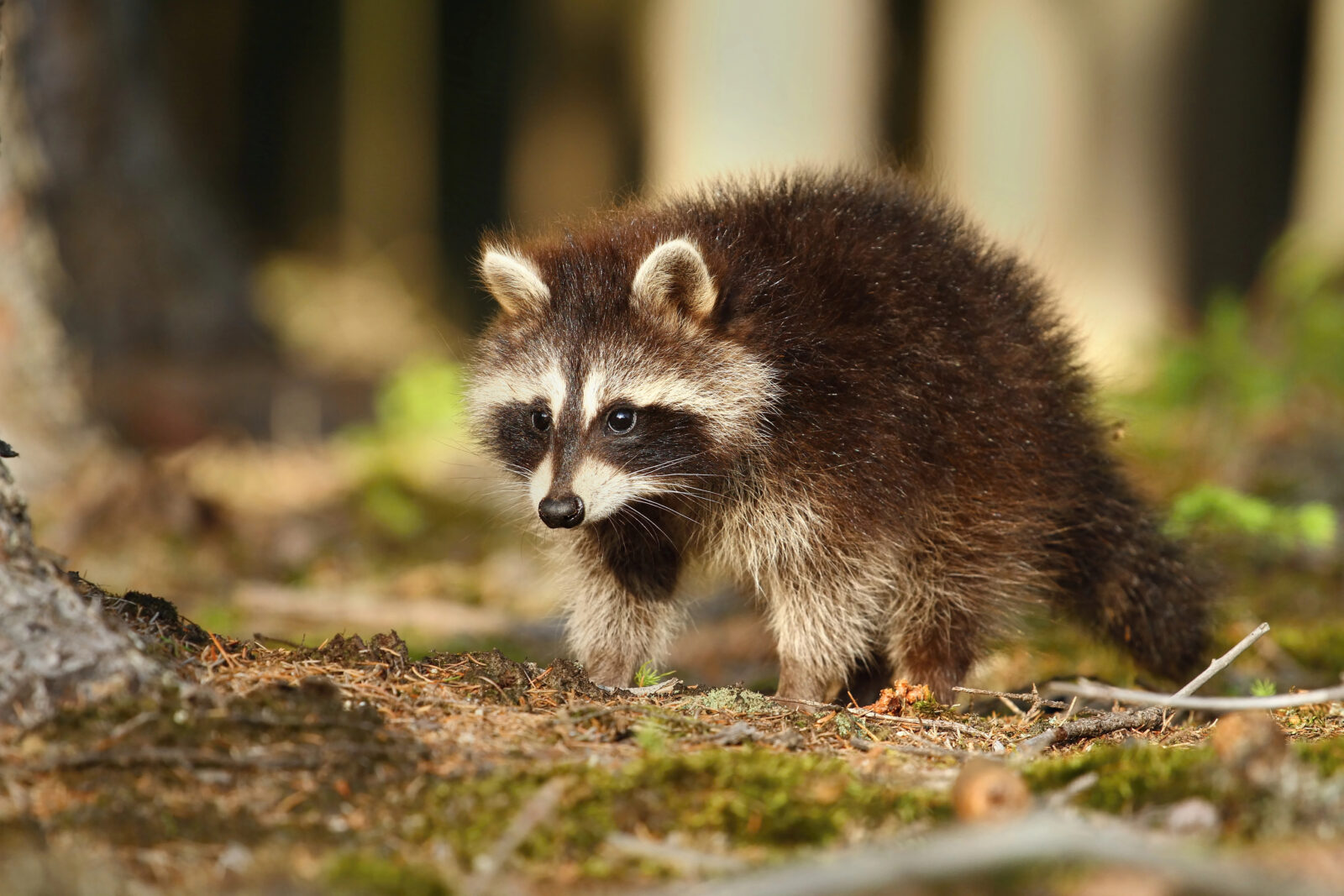
Developments in neighbouring Germany show how difficult it is to stop raccoon expansion. Estimates there put the population at around two million individuals. Even though hundreds of thousands are shot each year, the overall number continues to rise. For the Czech Republic, this is an important warning that without timely and sustained action, the situation could soon become even more challenging.
The raccoon is not just an interesting visitor to gardens and city streets. In Europe’s natural habitats it is an invasive species that can significantly alter local ecosystems.
The Czech countryside is therefore facing a problem that is likely to intensify. Raccoons are intelligent, tough and spread quickly. That is why they are becoming an issue not only for hunters and scientists, but also for municipalities, conservationists and the public.
Source: Česká televize, MZP, Tierschutz Hessen, Seznam Zprávy, Pestrazahrada.cz

A lover of nature, gardens, and everything that moves, blooms, or grows. He literally grows everything, from herbs to rare species, and he enjoys caring for animals just as much. In his work, he connects modern technology with tried-and-tested grandmotherly methods and is happy when both paths lead to the same goal.
Related articles

You don’t need expensive anti-wrinkle creams
Rice, best known as a kitchen staple, has long been used in traditional skincare for a softer, brighter-looking complexion. This simple homemade rice cream can help support suppleness and smooth the look of fine lines with regular use.
The Most Unusual Garden Visitor Isn’t Always the Biggest One
A garden can become a surprising meeting place between people and wildlife. Sometimes the most unusual visitor is a quiet, elusive animal you may not notice for years.

You Can’t Do Everything on Your Own Garden Four Situations Where Simple Neglect Becomes a Costly Mistake
A garden may feel like a private world, but it still comes with legal responsibilities. Neglected weeds, burning green waste, invasive plants, or unmanaged boundary trees can all lead to complaints and hefty fines.
Comments (0)
Be the first to comment.