
 English
 Polski
 Deutsch
 Nederlands
 Svenska
 Norsk
 Dansk
 Français
 Italiano
 Español
 Português
 Slovenčina
 Suomi
 Gaeilge
Dwarf Rabbit Indoors or Outdoors What Really Affects Lifespan
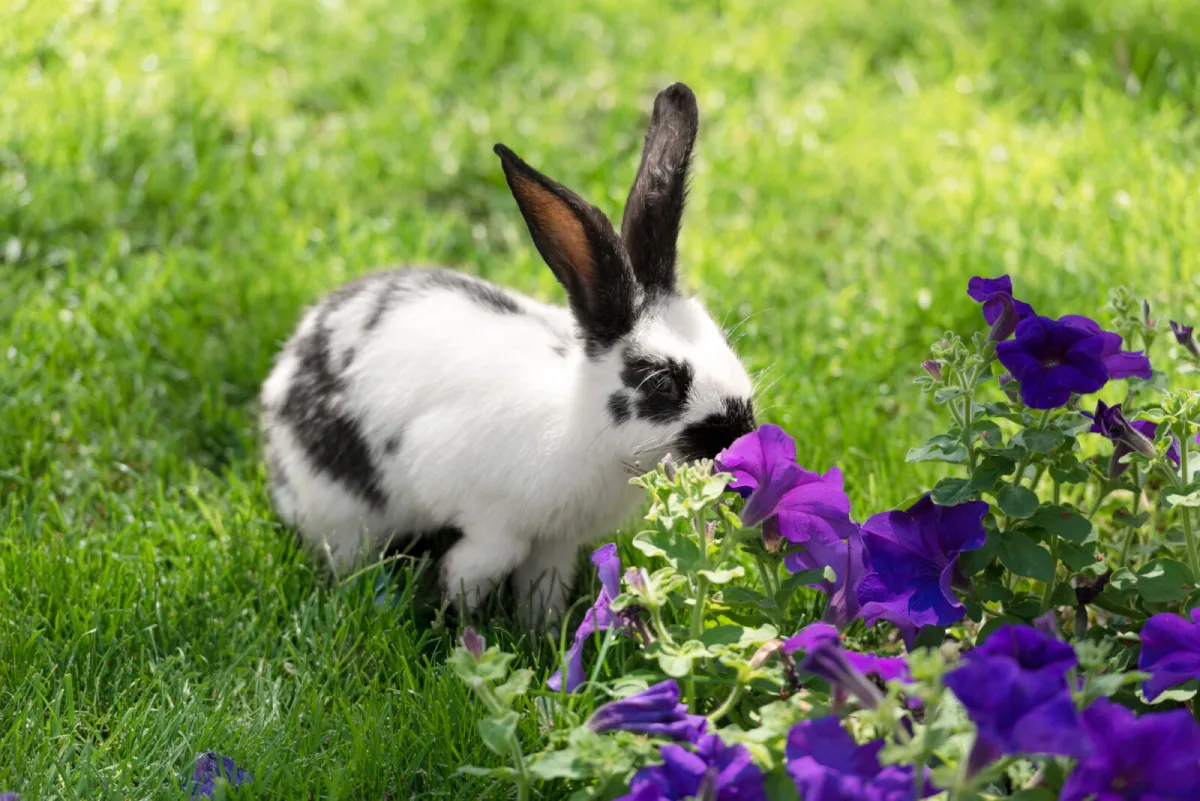
A rabbit may be a small animal, but for many people it quickly becomes a full-fledged member of the household. That’s exactly why one of the most common questions is how long it can live. There isn’t a simple answer, because a great deal depends on the type of keeping, the environment and overall care. A dwarf rabbit kept in a flat will have a very different life from a rabbit kept outdoors for production purposes.
Dwarf rabbits most commonly live to around 8 to 12 years. With excellent conditions, a high-quality diet and regular care, they can live even longer. By contrast, rabbits raised for meat or utility breeding tend to have a much shorter lifespan, often only a few months, or longer only if they remain in the breeding program for reproduction.
The difference between indoor and outdoor keeping
A rabbit kept indoors is usually better protected from bad weather, draughts, predators and sudden temperature swings. All of this can have a positive effect on lifespan. That doesn’t mean an outdoor rabbit must automatically live a shorter life. If it has a well-made shelter, a clean environment, suitable feeding and plenty of attention, it can live a long, contented life outdoors as well.
The biggest influences on lifespan are genetics, hygiene standards, diet composition and the level of stress. Long-term stress, in particular, is often an underestimated factor that weakens a rabbit’s health.
How long a dwarf rabbit lives
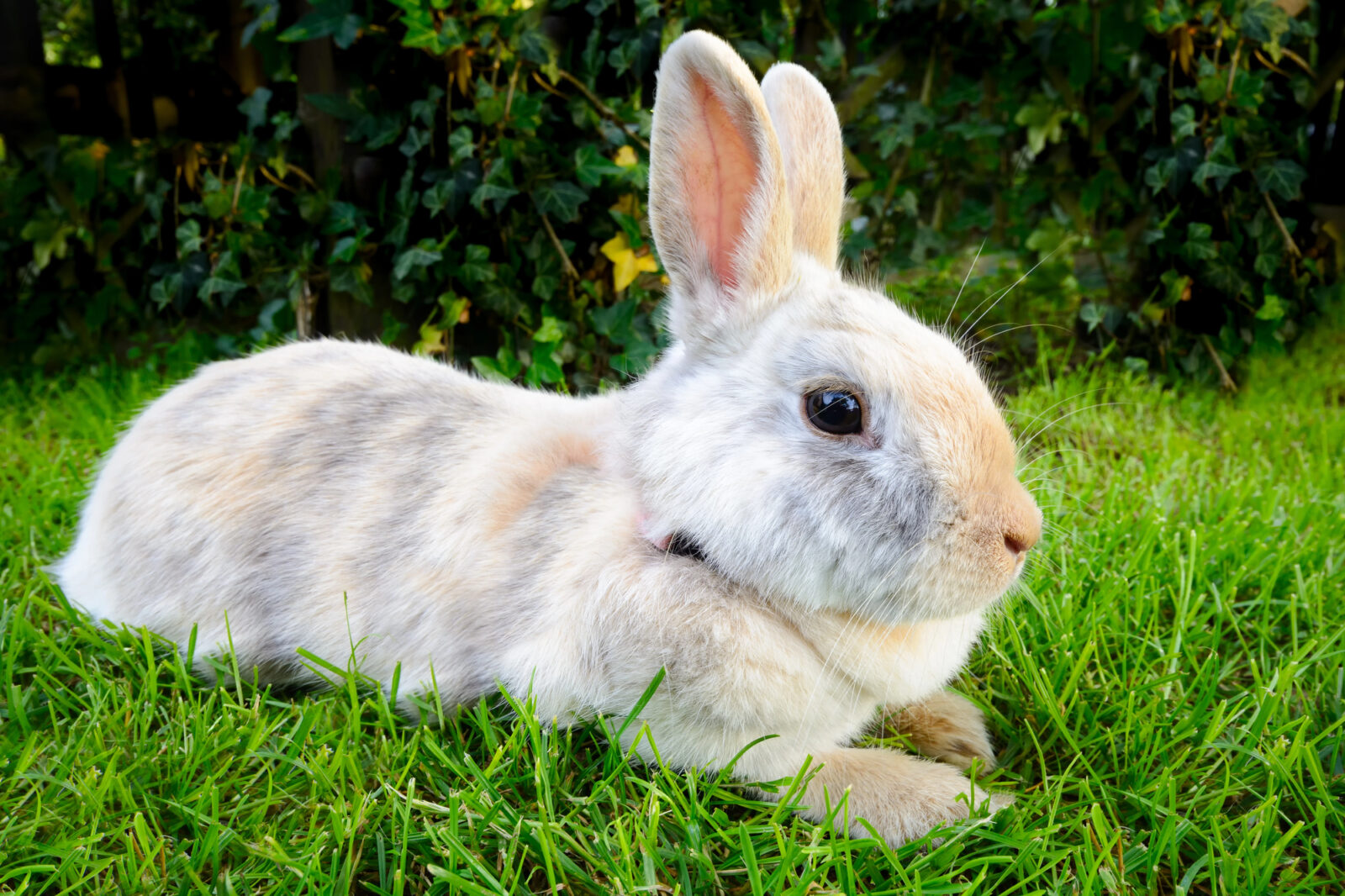
The dwarf rabbit is among the most popular pets. Its size can make it seem low-maintenance, but in reality it needs regular care and plenty of stimulation. With good husbandry, it can easily be part of the family for a full decade.
With dwarf rabbits, mistakes that unnecessarily shorten their lives are common. A frequent issue is overfeeding, because even a small animal can become overweight very easily. Companionship and contact are also important, because rabbits aren’t animals that cope well with long periods of solitude. Similarly harmful is too little space. A dwarf rabbit doesn’t take up much room, but it needs daily exercise.
For older or unwell rabbits, ongoing observation of their behaviour during the day can help too. When the owner isn’t at home, it’s easier to spot changes in activity, resting patterns or food intake and respond in time.
What has the biggest impact on longevity
Proper nutrition
The foundation of a healthy life is good-quality hay, which should make up the main part of the diet. Fresh water is essential, along with an appropriate amount of pellets and carefully introduced leafy greens. A rabbit’s digestive system is sensitive, so bread and baked goods, large amounts of sweet fruit, table scraps and human foods don’t suit it. Dairy products and meat are also unsuitable.
Veterinary care
A rabbit needs regular check-ups just like other pets. Vaccination is important, parasite control and, in some cases, neutering. Neutering can help not only prevent unwanted litters, but also calm behaviour and reduce certain health risks.
A suitable environment
A rabbit needs clean, spacious, well-ventilated accommodation without draughts. A cage and a bowl alone aren’t enough. Daily exercise is crucial, along with a chance to run about and a space where it can rest naturally and explore its surroundings. Cleanliness plays a major role in disease prevention.
Mental wellbeing and activity
A content rabbit is usually healthier. It needs enrichment, toys, hiding places, tunnels and contact with people or another rabbit. Boredom and loneliness can lead to stress and changes in behaviour. Even simple attention from the owner is valuable for its emotional balance.
How to tell your rabbit is ageing
Ageing in rabbits shows up gradually. It may rest more, jump less, lose weight or develop a coarser coat. Sometimes it becomes more cautious, slower and less active than before. These changes aren’t a reason to panic, but they do signal that it’s a good idea to adjust care to its current needs.
An older rabbit will appreciate softer bedding, a calmer routine, more easily digestible food and, above all, greater consideration.
Regular monitoring of behaviour is especially important during this period. Once an owner knows their rabbit’s normal habits, it’s much easier to recognise subtle changes that may point to health issues.
A long life isn’t an accident
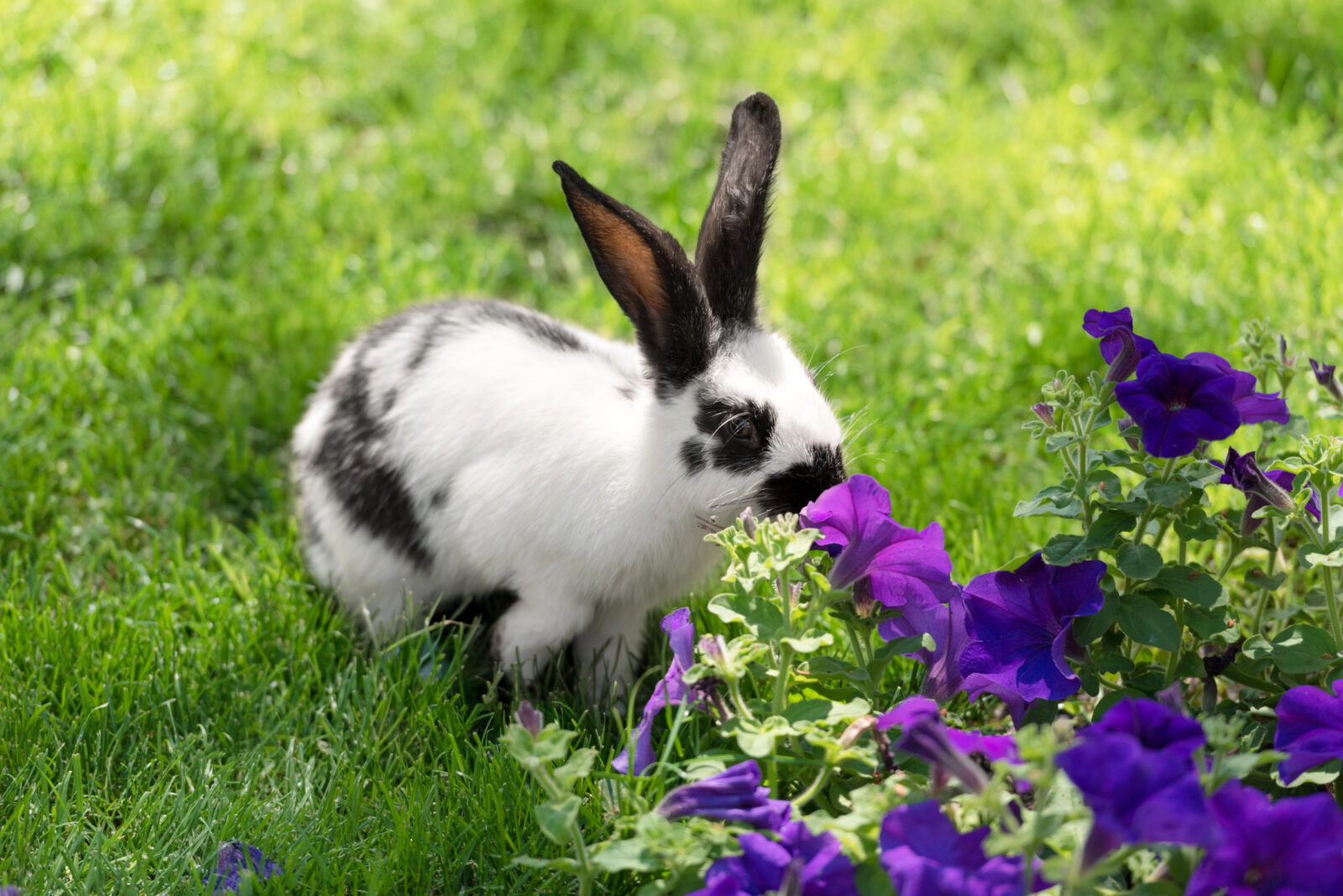
Rabbits aren’t just cute animals for a cage. They’re sensitive, perceptive, and the quality of their care genuinely matters. When they get the right diet, a clean environment, exercise, calm and plenty of attention, they can live surprisingly long lives. Whether it’s a dwarf companion in a flat or a rabbit kept in outdoor accommodation, the biggest difference is made by a person’s day-to-day care. That’s what decides whether a rabbit’s life will be short, or pleasantly long and content.
Source: Rabbit.org, Save a Bunny, Pestrazahrada.cz

A lover of nature, gardens, and everything that moves, blooms, or grows. He literally grows everything, from herbs to rare species, and he enjoys caring for animals just as much. In his work, he connects modern technology with tried-and-tested grandmotherly methods and is happy when both paths lead to the same goal.
Related articles
A Hen’s Egg as a Small Miracle of Nature
A hen can lay with impressive regularity, but her egg production depends on breed, condition, and housing. Learn what happens inside her body, why shells matter, and what egg quirks can tell you.
Want fresh eggs in winter Chickens need more than a warm coop
Short days and cold weather naturally slow egg production, but the right mix of light, housing, nutrition and water can keep layers going through winter. Here’s how to set up your flock for steadier winter laying without stressing the birds.
How to Keep a Hive Dry in Winter and Protect the Colony from Dangerous Damp
In winter, moisture—not cold—is often the biggest threat to a bee colony. Learn how condensation forms in the hive and what practical steps help keep bees dry and thriving until spring.
Comments (0)
Be the first to comment.