
 English
  Polski
  Deutsch
  Nederlands
  Svenska
  Norsk
Norsk  Dansk
Dansk  Français
  Italiano
  Español
  Português
  Slovenčina
  Suomi
Suomi  Gaeilge
 May Watering of Fruit Trees in Drought Strongly Affects the Size and Flavor of the Harvest
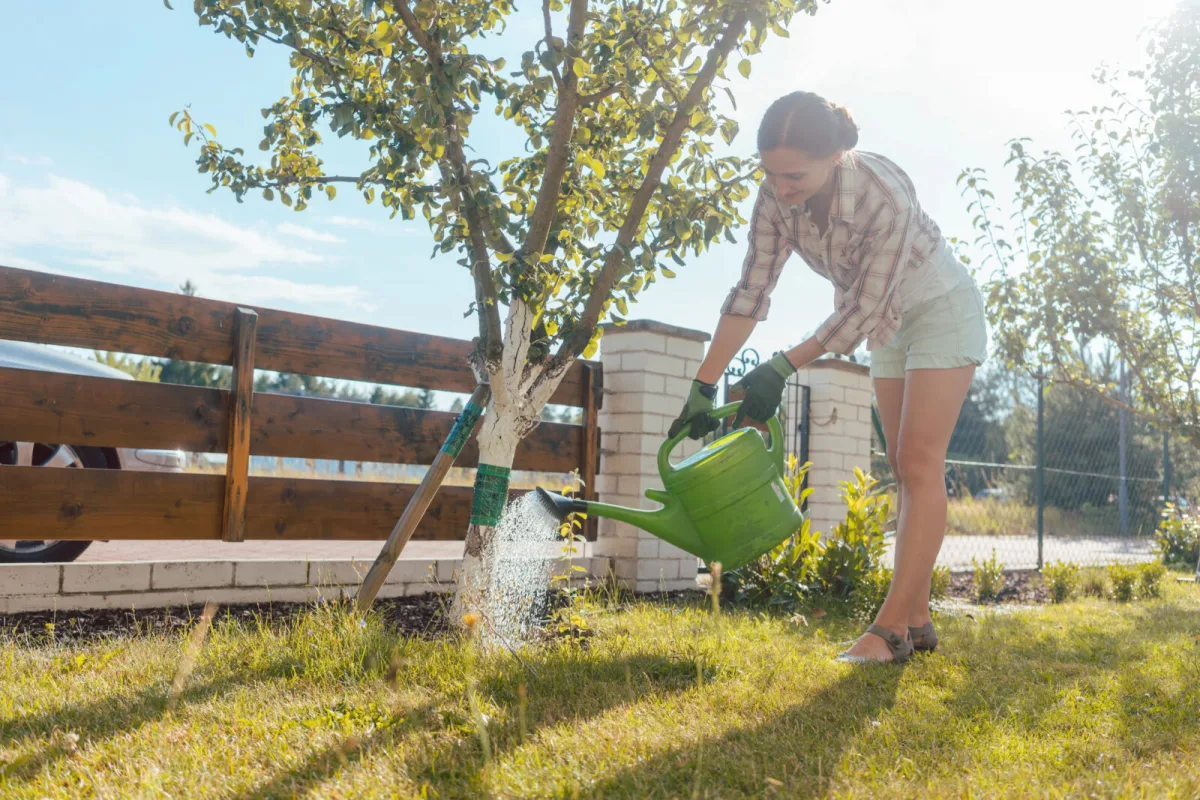
Lack of rainfall over the past few weeks has shown up across much of the country, and in gardens it becomes obvious very quickly. Winter brought little rain and snow in places, and then spring arrived with higher temperatures and wind that literally pull moisture out of the top layers of soil. Exactly during flowering and fruit set, water is crucial for fruit trees. If they suffer prolonged drought, it won’t show only in fewer fruits, but also in their quality, size, and the tree’s overall vigour.
How water shortage shows up in fruit trees
When a tree doesn’t have enough moisture, it switches into survival mode. The priority is to stay alive, so it may cut back on anything that costs extra energy and water, including fruit development. For gardeners, it’s important to recognise the signs of drought early, because acting too late may not save the crop in full.
Slower growth or a complete stall in fruit development
Too little water slows cell division in young fruits. The result is smaller fruit, often unevenly developed. Even if it eventually ripens, it may be less juicy, with poorer flesh texture and weaker flavour. In some trees you’ll also see bigger differences between individual fruits on the same branch.
Heavy fruit drop already in May
With apples and pears, people often talk about the so-called June drop, when the tree naturally reduces the number of fruits according to how many it can support. In extreme drought, however, this natural regulation can kick in earlier and much more intensely, even in May. The tree sheds fruits that would be too much of a burden during a stress period.
Wilting leaves and premature leaf fall
When short of water, leaves lose their firmness and turgor, which shows externally as drooping and wilting. The tree is trying to reduce the surface area through which it loses water. If the drought continues and help doesn’t come quickly, leaves may start to fall, sometimes even while still green. This is often seen, for example, in young peach trees, which decline quickly in dry spells without regular watering.
Why a quick splash with a hose usually isn’t enough
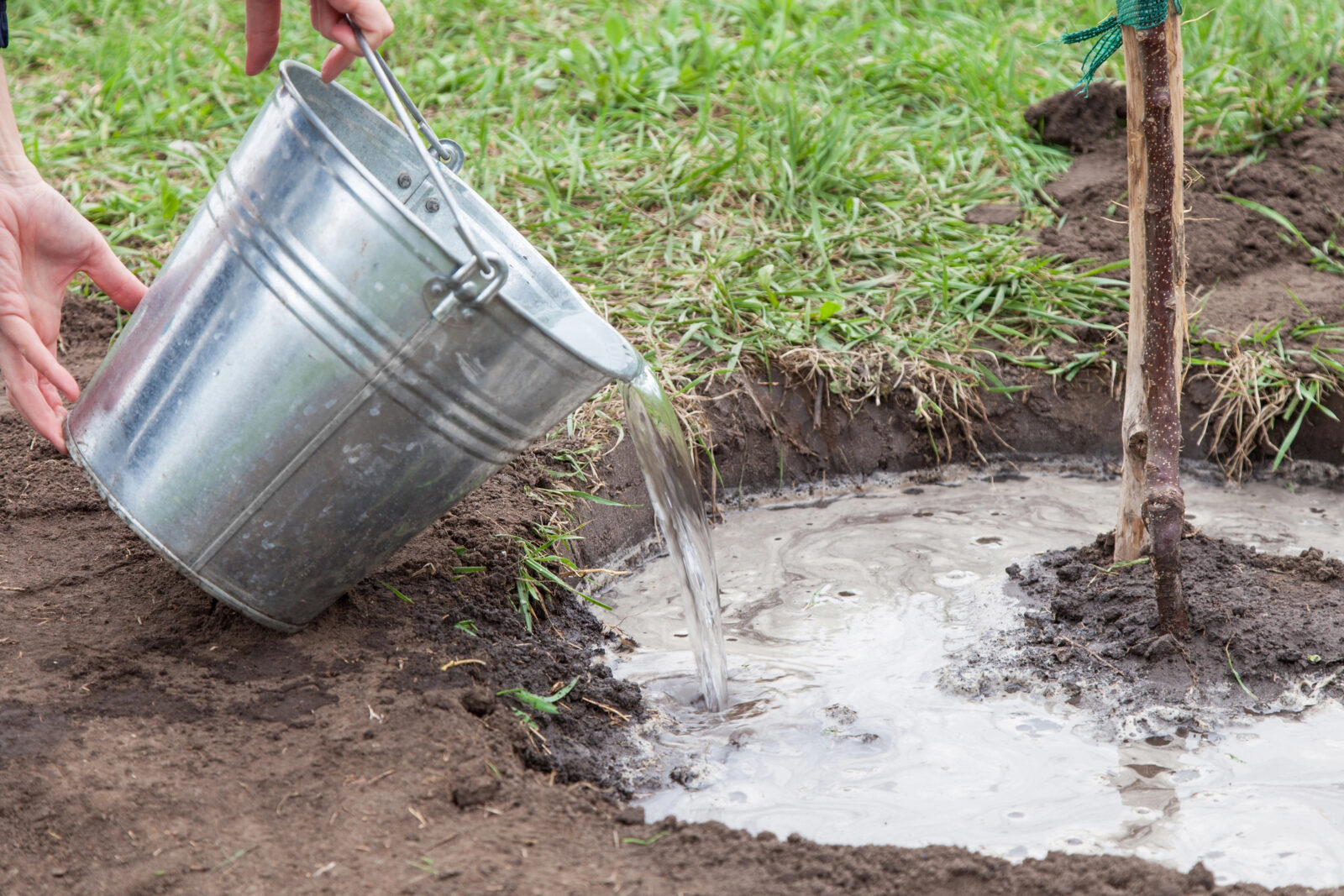
Occasional watering for just a few seconds often only wets the surface briefly. That amount either soaks into a thin top layer or evaporates quickly before it reaches the roots. Watering only has a real effect when it soaks the soil down to the depth where the tree is actively taking up water. With newly planted trees and shrubs that have shallow roots, a smaller amount can make sense too, but only if it’s regular. Without consistency, the benefit disappears quickly.
How much water to give young trees and fruit bushes
For young trees roughly 1 to 3 years old, during drought it’s suitable to water about twice a week with around 20 to 30 litres per tree. At this stage, most roots are concentrated close to the trunk, so you can water directly around the trunk so the water reaches where the tree can use it quickly.
For young fruit bushes, a practical guideline is at least 15 litres of water twice a week. Here too, a thorough watering that truly saturates the soil is better than frequent light sprinkling.
Watering mature fruiting trees and where to direct the water
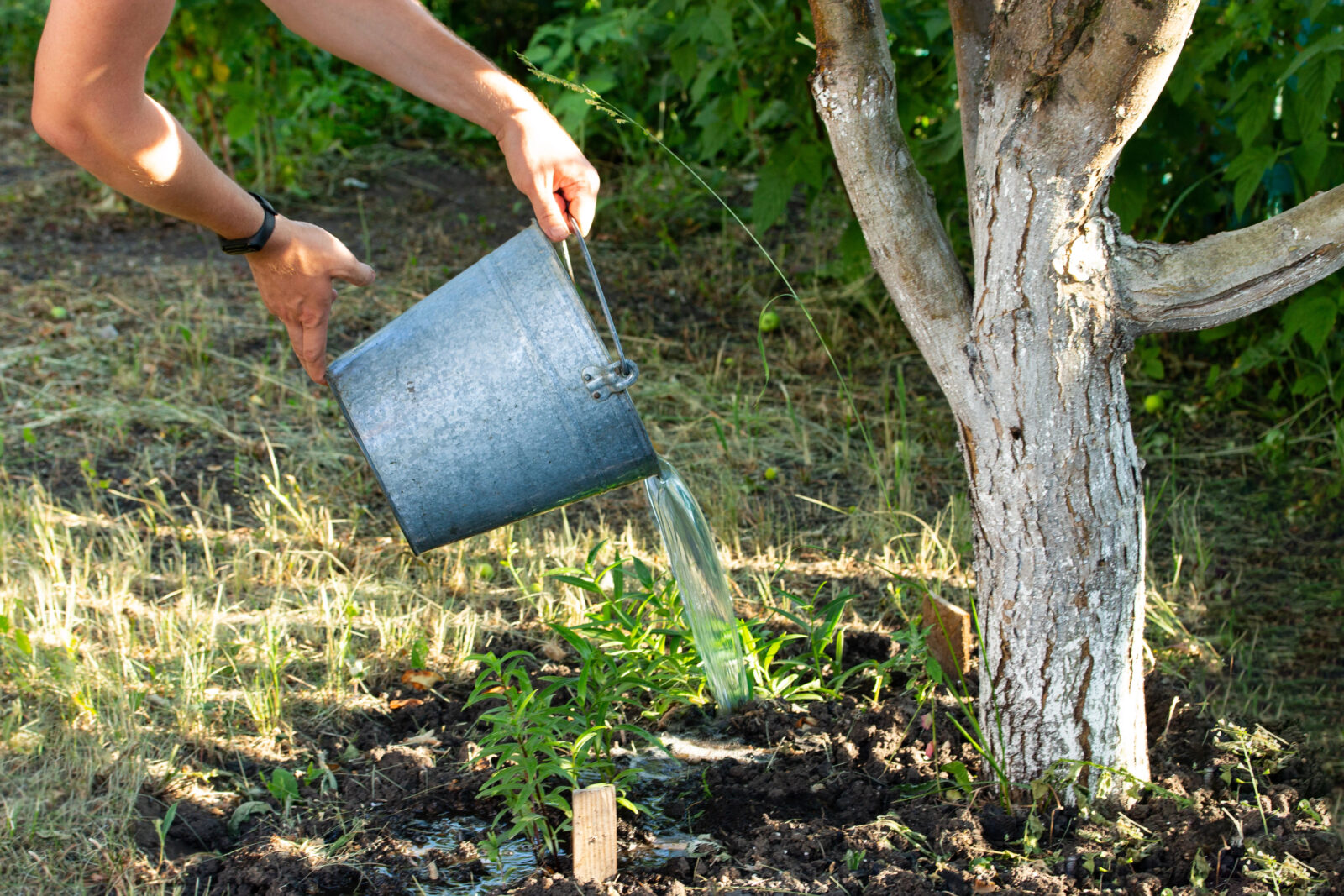
Mature trees in full production with a dense canopy have higher demand. In dry weather they typically need about 60 to 120 litres of water at least once a week. Their root system is deeper and spreads outwards, so in theory it can reach moisture in lower layers, but in prolonged drought even that can be depleted.
With large trees, it’s not ideal to pour all the water right at the trunk. It’s more effective to spread it in a ring around the tree, roughly about 1 metre from the trunk, so the soil is moistened evenly and the water doesn’t run off. It’s also worth remembering that the most active, water-absorbing roots of large trees are often found beneath the drip line, at the edge of the canopy. If you direct water to these areas as well, the tree will benefit far more and cope better with stressful conditions.
Source: Urob si sám, RHS, The Spruce, Pestrazahrada.cz

A lover of nature, gardens, and everything that moves, blooms, or grows. He literally grows everything, from herbs to rare species, and he enjoys caring for animals just as much. In his work, he connects modern technology with tried-and-tested grandmotherly methods and is happy when both paths lead to the same goal.
Related articles
Next year you can harvest better if you don’t sow carrots where they won’t thrive
Carrot root fly can ruin carrots, parsley and celery from the inside out, often without obvious warning until harvest. Better site choice, rotation, later sowing and simple physical barriers can dramatically cut damage next season.
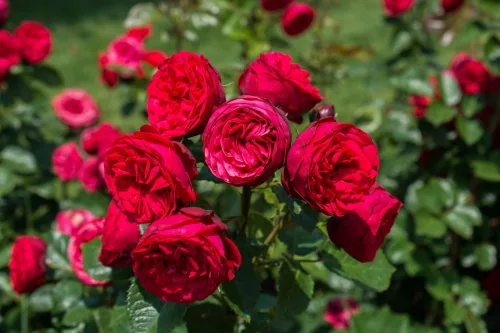
How to Propagate Roses from Cuttings at Home and Fill Your Garden with Blooms Almost for Free
Want more roses without paying for new plants? With a few healthy cuttings and a simple plastic-bottle mini greenhouse, you can root new bushes at home in just a few weeks.
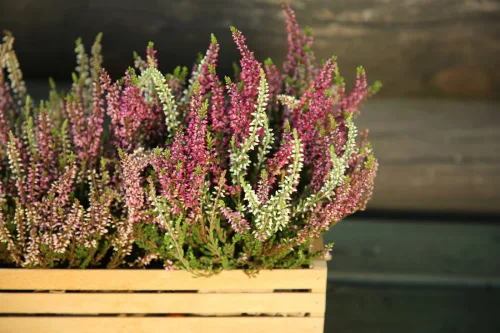
Heathers can cope where other plants won’t, but one soil detail decides everything
Heathers and heaths are tough evergreen shrubs that can flower across the seasons when you choose the right types. Success hinges on matching the plant to your soil pH and ensuring free drainage.
Comments (0)
Be the first to comment.