
 English
  Polski
  Deutsch
  Nederlands
  Svenska
  Norsk
Norsk  Dansk
Dansk  Français
  Italiano
  Español
  Português
  Slovenčina
  Suomi
Suomi  Gaeilge
 July watering for carrots and beetroot for a sweeter, bigger harvest
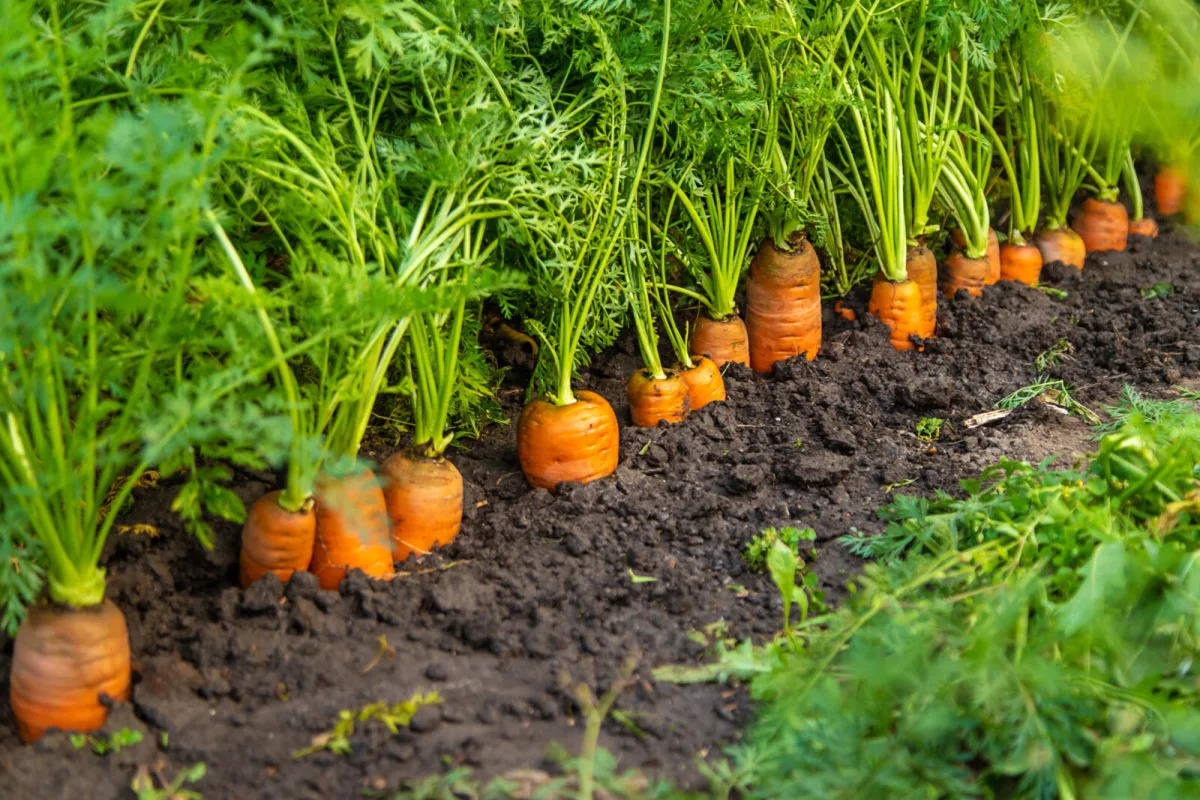
For gardeners, the summer holidays aren’t a time to slow down, because July is when things often make or break for many crops. Root vegetables such as carrots and beetroot frequently speed up growth now and start building what matters most underground. If you give them the right nutrition at this stage, they’ll reward you not only with a bigger harvest, but also better flavour, juiciness and a firmer texture.
Why ordinary watering isn’t enough and it’s better to rein in nitrogen
Most growers keep an eye on the bed so it doesn’t dry out, but summer feeding is often underestimated. Yet a plant’s needs change through the season. Early on, plants focus on leafy growth and mainly need nitrogen. But once summer moves into its second half, plants gradually shift energy from the leaves into roots and swollen bases. If you keep nitrogen coming at this point, you may encourage lush tops rather than the high-quality root you’re really after.
What happens inside the plant in mid-summer
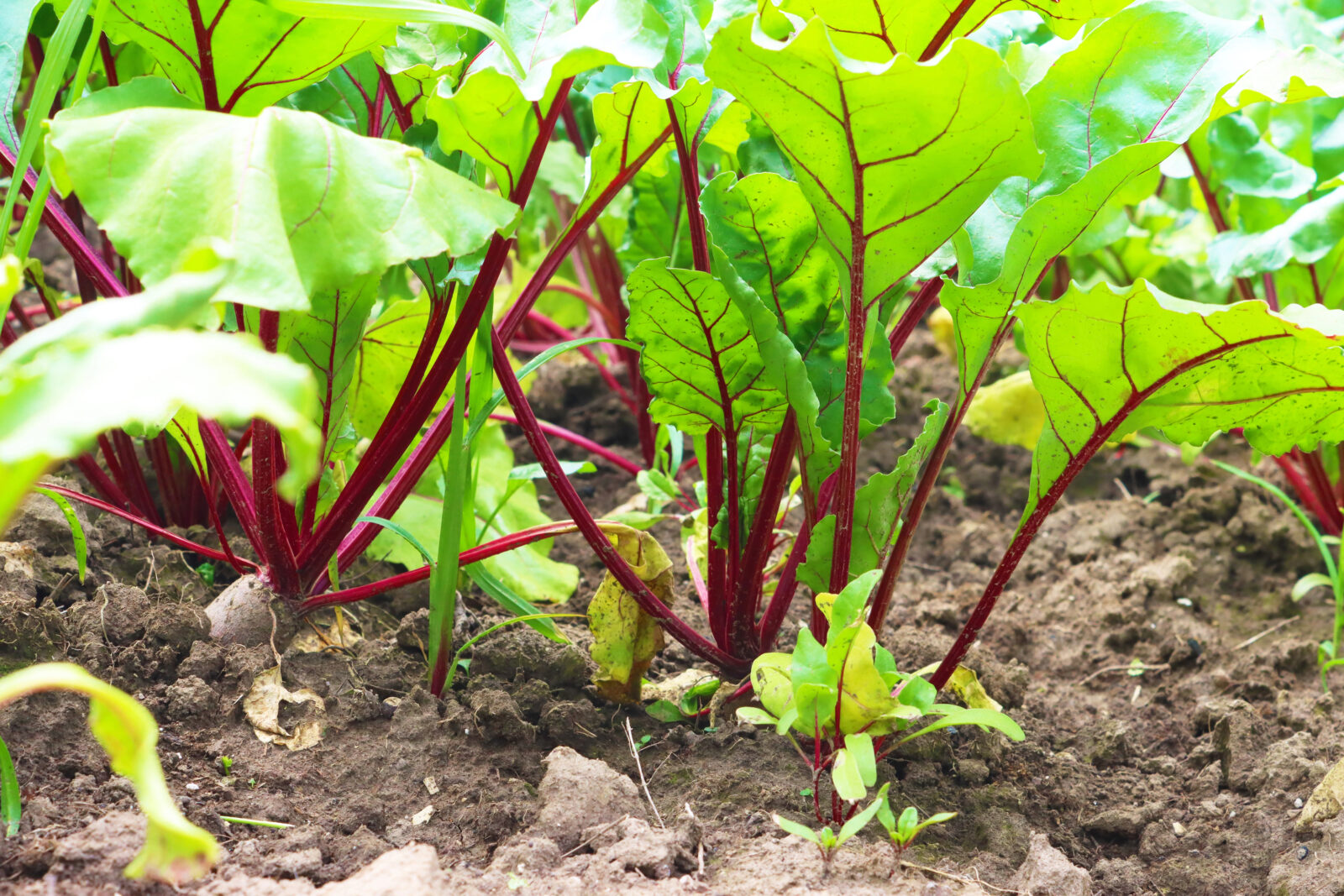
Both carrots and beetroot invest in leaves first, because they drive photosynthesis and the production of nutrients. In July, though, it pays to support the transport and storage of those substances in the underground parts. This is exactly when it’s decided whether roots will be even, smooth and sweet, or instead woody, cracked or less tasty.
The pair that makes the difference: potassium and boron
At this stage, two key nutrients come into play. The first is potassium, one of the essential macronutrients that strongly supports root bulking and proper water management. The second is boron, a micronutrient that can have a surprisingly big impact on the quality of root crops.
Boron helps with sweetness and healthy roots
Boron is important for moving sugars made in the leaves down into roots and swollen bases. That’s why a balanced supply can contribute to a fuller, sweeter flavour and better juiciness. It also plays a role in cell division and tissue growth, so roots can bulk up more effectively and tend to be firmer. When boron is lacking, beetroot can develop internal damage in the root, and carrots can lose quality too, for example unwanted toughening and poorer texture. If you want roots without ridges, splits and unattractive deformities, topping up boron in July makes good sense.
Potassium for growth and better water regulation
Potassium supports the growth of underground parts and also affects how the plant regulates water. In practice, that means plants with good potassium levels usually cope better with short dry spells. Like boron, it can also contribute to sugar storage, so its value shows up not just in size, but in the final flavour as well.
When to feed for the biggest effect
The best results usually come from splitting the nutrition into two applications. You can give the first dose at the start of July, and the second roughly two to three weeks later. That way the plants receive nutrients gradually, right when roots are putting on the most bulk. At the same time, it’s wise to keep nitrogen on the low side, because the goal is no longer to push leafy growth, but the quality and size of the underground part.
A simple recipe for a summer elixir for root vegetables
For a liquid feed, you can make a mix from boric acid and a potassium salt. Dissolve 10 g of potassium salt and 2 g of boric acid in 10 litres of water. Stir the solution well and then apply it directly to the root zone so the nutrients reach the place where the plant can use them best.
Safe application matters as much as the ingredients
Never apply a liquid feed when the sun is beating down on the bed. Droplets on leaves combined with intense light can cause damage to the top growth and weaken the plants unnecessarily. Early morning is better, or evening when the bed has cooled down. When you combine the right timing with the right nutrients, carrots and beetroot usually bulk up better, grow more evenly, and at harvest will please you not only with quantity, but with flavour too.
Source: Oboz, Junea Empire, The Spruce, Pestrazahrada.cz

A lover of nature, gardens, and everything that moves, blooms, or grows. He literally grows everything, from herbs to rare species, and he enjoys caring for animals just as much. In his work, he connects modern technology with tried-and-tested grandmotherly methods and is happy when both paths lead to the same goal.
Related articles
The More Often You Harvest, the Longer Plants Keep Cropping
With fruiting vegetables, frequent picking keeps plants flowering and producing for longer. A few crops, such as aubergines, are tastiest when harvested slightly earlier rather than fully mature.

Wasps Aren’t Just a Barbecue Menace They Can Ruin Your Garden Woodwork Too
Weathering isn’t always the main culprit behind damaged outdoor timber. Wasps can scrape fibres from boards and beams surprisingly fast, leaving grooves that soak up water and accelerate decay.
Why hydrangeas wilt in summer even when watered and how to save them fast
Hydrangeas can look limp in hot weather even if you’ve been watering faithfully. The key is to check what’s happening in the root zone, then adjust watering, shade and mulching so the plant can actually use the moisture available.
Comments (0)
Be the first to comment.