
 English
  Polski
  Deutsch
  Nederlands
  Svenska
  Norsk
Norsk  Dansk
Dansk  Français
  Italiano
  Español
  Português
  Slovenčina
  Suomi
Suomi  Gaeilge
 How to grow a pistachio tree in a Czech garden as a hardy ornamental rarity even if the nuts never ripen
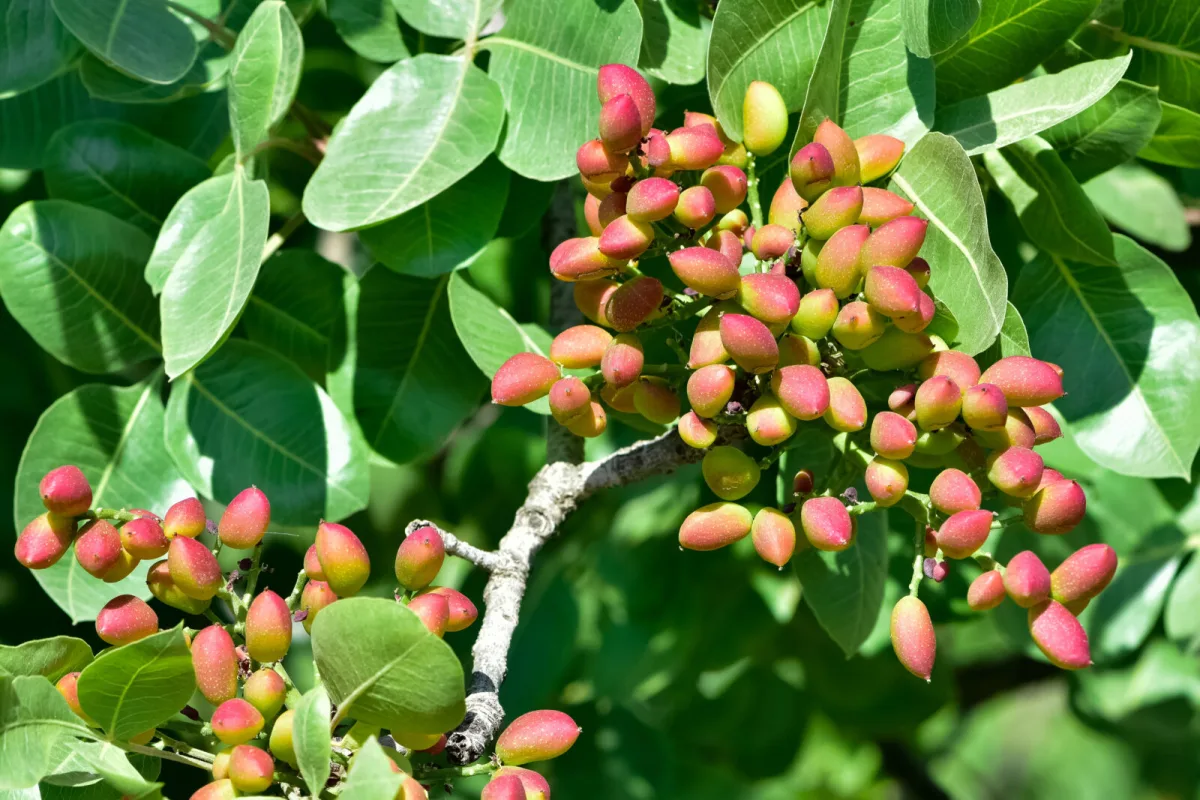
Pistachios are among the most expensive nuts on the market, and their distinctive flavour works in both sweet and savoury recipes. Although most people associate them mainly with snacking, ice cream, or festive treats, with a bit of patience the plant itself can be worth trying even in Czech conditions. You do need to accept, though, that here—because the growing season is shorter and cooler—the fruit generally won’t ripen. So the point of growing it is primarily ornamental value, or the option of training it as bonsai.
Where the pistachio tree comes from and what to expect
The true pistachio, Pistacia vera, is a small tree in the cashew family (Anacardiaceae) native to Central Asia and parts of the Middle East. In warm regions it can grow into a substantial tree; in our gardens it usually stays much smaller and is often grown as a collector’s specimen. In appearance and requirements it reminds some growers of figs, especially in its need for warmth, light, and sensibly moderate watering.
Growing in a pot and watering routine
In containers, water pistachio carefully and deliberately. The compost should not remain wet for long periods—overwatering is a more common problem than brief drying out. Usually it’s best to let the potting mix dry slightly between waterings, and only then water again. In summer, however, don’t allow the root ball to dry out completely, especially in smaller pots that overheat and dry quickly.
From spring to summer, regular feeding is useful, ideally with fertiliser intended for subtropical plants. Stop feeding towards the end of summer, and don’t feed at all in winter, because the plant needs a rest period. During winter months, also reduce watering significantly so the roots don’t suffer from the combination of cold and damp.
Potting mix, repotting, and container size
It’s practical to repot young plants every spring; older specimens can be repotted less often. If the tree has been in its pot for a longer time, it’s usually enough in spring to carefully remove the top layer of compost, gently loosen it, and top up with fresh mix. It’s important not to damage fine roots, because rebuilding the root system can slow growth for a while.
The potting mix should be relatively lean, on the dry side, and above all free-draining, with a higher proportion of sand. Pot size depends on age and vigour; an adult pistachio may require containers around 20 litres or larger. If the goal is bonsai, the “large pot” rule doesn’t apply, because you deliberately work with restricted root space and canopy training.
Wintering in a pot without the roots freezing
A potted pistachio must be protected before winter so the root ball does not freeze solid. At the same time, it’s not a good idea to move the plant straight into a warm flat. The best solution is a cool winter shelter with temperatures roughly below 6 °C, where the tree can sit dormant through the leafless period. It can cope with lower temperatures for short spells, but prolonged exposure to frost or unsuitable conditions may show up as deformed leaves or flower clusters in the following season.
A practical step is to insulate the pot thoroughly to protect the roots. In winter, the plant also needs much less light, because it is leafless and resting.
How pistachio behaves in its native climate and why it doesn’t fruit here
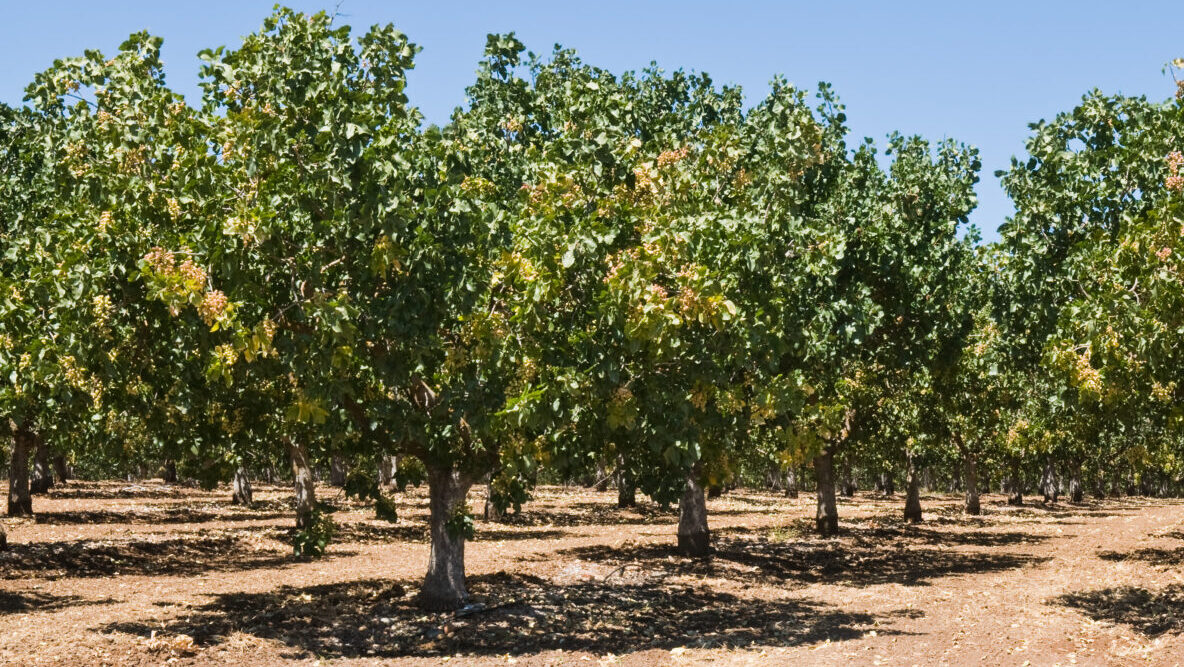
In warm areas, pistachio grows to a much larger size, but on plantations it is often kept smaller by pruning to make harvesting easier. Interestingly, it can live for several hundred years. Truly high yields take a long time, though: the heaviest crops typically don’t come until around twenty years, and they also alternate on a two-year cycle, so a strong harvest is usually only every other year.
The ideal climate is desert to semi-desert. In the Czech Republic, for example in the warmer parts of South Moravia, pistachio can be an exceptionally attractive garden curiosity—just avoid waterlogged sites, acidic soils, and heavy clay. Long-term damp and poor drainage are precisely what tends to cause problems for this woody plant.
Flowering, dioecy, and the myth about shells opening
During flowering, the tree produces clusters of tiny flowers with a greenish-pink tinge. Pistacia vera is dioecious, however, which means there are male and female plants. Without both sexes present, you can’t count on pollination and fruit set. Even if pollination succeeds, in our conditions you usually won’t get fully ripe pistachios, because they mature late and need a longer season.
It’s also often repeated that pistachio shells only open during roasting. In reality, the split forms as the fruit ripens, so the seed can naturally drop out.
How harvesting and processing works in major growing regions
In traditional regions, a single tree in a good year can provide tens of kilograms of nuts. They are harvested either by collecting fruit that has fallen naturally, or by knocking them down through shaking or cutting branches. On large plantations, mechanisation dominates: a machine grips the trunk, shakes the tree, and the fruit falls onto a spread-out sheet, from where it’s transported for further cleaning and drying. Only after thorough drying are pistachios processed and prepared for food use.
Global production and where pistachios are grown most
Key pistachio producers over the long term include Iran, the United States, China, Turkey, and Syria. In Europe, Greece, Italy, and Spain stand out in particular. Cultivation is concentrated in warm areas with long summers, where fruit can ripen reliably and where soil moisture can be managed more effectively.
What pistachios contain and what to watch for in storage
Pistachios are valued nutritionally too; they contain, for example, a significant amount of vitamin B6, fibre, and protein. Their fat content is why pistachio oil is pressed from them and used even in skin care. They also contain vitamins A and E and a range of minerals. With nuts, however, poor processing or storage can lead to unwanted mould toxins, especially aflatoxins. That’s why it makes sense to buy pistachios from reputable sources and keep an eye on quality.
The Aegina cultivar and planting recommendations for the garden
A cultivar considered an interesting choice for tree collectors is Aegina, bred in Greece. It has leathery, glossy leaves, and in its home country the fruit colours up in red and yellow clusters, ripening only in the second half of October. That is the main reason why, even with this variety, you generally can’t expect ripe nuts here. Its ability to tolerate pronounced temperature swings is valuable, though.
With young plants, several years of growing in a movable container is recommended, and only later planting out in a permanent spot. In the garden, pistachio needs full sun and also a sheltered position, because it loves light but does not tolerate deep freezing well—especially when combined with icy wind and frost pockets. In our conditions, it usually doesn’t exceed about 2 m. Watering and feeding follow similar principles as container growing, but with even more emphasis on free-draining soil and winter protection.
Here, pistachio makes the most sense as an ornamental specimen or bonsai. If you grow it for enjoyment rather than yield, it can become a truly distinctive feature in the garden.
Source: Jukka, České stavby, Wikipedia, Pestrazahrada.cz

A lover of nature, gardens, and everything that moves, blooms, or grows. He literally grows everything, from herbs to rare species, and he enjoys caring for animals just as much. In his work, he connects modern technology with tried-and-tested grandmotherly methods and is happy when both paths lead to the same goal.
Related articles
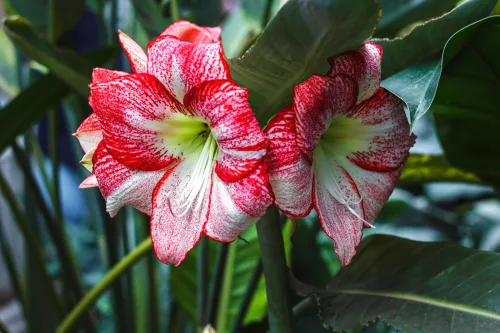
The Christmas Amaryllis That Can Bloom for Years but Most People Throw It Away After Flowering
Hippeastrum is a spectacular winter-blooming bulb that, with the right care, will flower again year after year. Learn how to plant it correctly, look after it after flowering, and bring it into dormancy so it reliably reblooms.
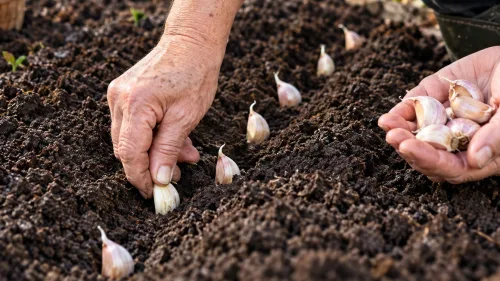
How to Grow Winter Garlic for a Much Bigger Harvest
Autumn planting is the key to strong, healthy winter garlic, but the details make all the difference. With the right timing, bed choice, seed-clove treatment and a simple bicarbonate trick, you can noticeably boost yield.
A tree or shrub planted properly in autumn can outpace spring stock and improve fruiting
Many fruit trees and soft-fruit shrubs establish better when planted in autumn, because roots keep growing while the top is dormant. Done well, this head start means stronger spring growth, less watering, and a healthier first year.
Comments (0)
Be the first to comment.