
 English
  Polski
  Deutsch
  Nederlands
  Svenska
  Norsk
Norsk  Dansk
Dansk  Français
  Italiano
  Español
  Português
  Slovenčina
  Suomi
Suomi  Gaeilge
 From August you can build more in the garden without a permit

From August 2026, amendments will take effect for homeowners and garden owners that affect both everyday garden structures and water management. The simplification mainly concerns smaller structures such as pergolas, gazebos and garden sheds. By contrast, the state is taking a stricter approach to wells and domestic wastewater treatment systems, with greater emphasis on professional competence, safety and protection of groundwater resources.
Before you start planning, it pays to check not only the generally applicable rules but also local conditions. The municipality’s zoning plan or protection zones often set stricter limits than the law itself, and they can influence both the placement and the design of a structure.
More structures will newly be possible without a permit or notification
A major change comes with the amendment to the Building Act. It expands the range of minor structures that can be built on the plot of a family house without a building permit and without prior notification. The size limit is also increasing to 60 m² of built-up area, whereas previously the commonly used threshold was 40 m².
Less paperwork doesn’t mean complete freedom, though. The structure still has to meet conditions relating to its nature and parameters. The maximum height remains 5 metres, and the building must have no more than one above-ground storey. Non-commercial use is also essential. Typically, this simpler regime will cover items such as pergolas, shelters, greenhouses, gazebos or garden sheds.
Setbacks from plot boundaries still matter
Even if many things can be built more easily, you still have to respect neighbouring plots and the general rules for siting buildings. In practice, for small structures a setback of at least 2 metres from the plot boundary is often applied, unless regulations or the local zoning plan specify otherwise.
At the same time, it’s assumed that a minor structure of this type is not intended for living accommodation. It should therefore not include habitable rooms or sanitary facilities. The final word may also lie with local regulations, for example in protected areas, protection zones, or in localities with stricter rules for development and the appearance of buildings.
Wells and domestic treatment plants under stricter requirements
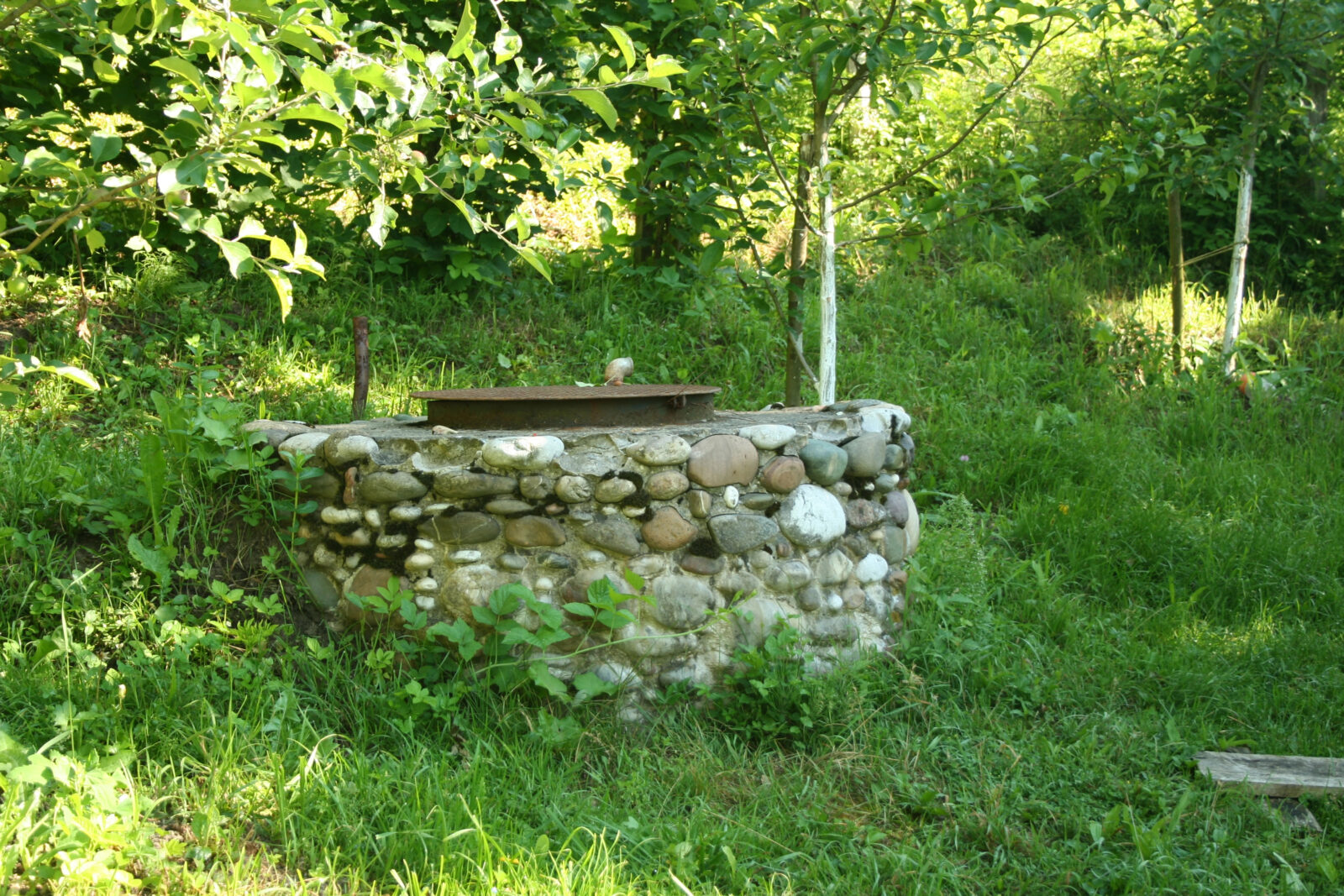
While the red tape is easing for pergolas and garden structures, the rules are becoming more precise for water-related works. Wells and domestic wastewater treatment systems are among the structures for which a higher level of professional expertise is expected. The new rules emphasise that their construction should take place under the professional supervision of a building contractor and an authorised professional.
The aim is to reduce the risks of poorly executed work that can jeopardise not only the functionality of the system itself but also the surrounding environment. With wells, the focus is mainly on protecting groundwater and preventing contamination. With treatment plants, the goal is also to ensure that operation meets discharge requirements and that the system genuinely does what it is meant to do.
Water law and checks on groundwater abstraction
Alongside building regulations, the Water Act is also key for well owners. Groundwater abstraction should be based on a valid water-use permit, unless an exception applies in a given case. Water authorities may require corrective action for unauthorised abstraction and, in the event of breaches, impose penalties depending on the seriousness and circumstances of the case.
A common misconception is that an older well is automatically fine, or conversely automatically illegal. The reality is usually more complicated and depends on when the well was built, what permits were required at the time, and whether the conditions in force then were met. That’s why it’s sensible to verify the well’s status and have your paperwork in order.
Rainwater and the push for more sustainable water management
Rainwater is increasingly part of garden and building decisions as well. The long-term trend is to keep water where it falls and avoid sending it needlessly away. With new builds—and sometimes with more extensive home renovations—on-site infiltration or the use of rainwater, for example for watering, is becoming more common.
This direction is supported not only by domestic regulations but also by broader European environmental policy focused on protecting water resources and adapting to climate change. In practice, this means property owners will more often be dealing with retention features, infiltration, and overall site design so that water doesn’t disappear from the landscape unnecessarily.
How to make the most of the new rules
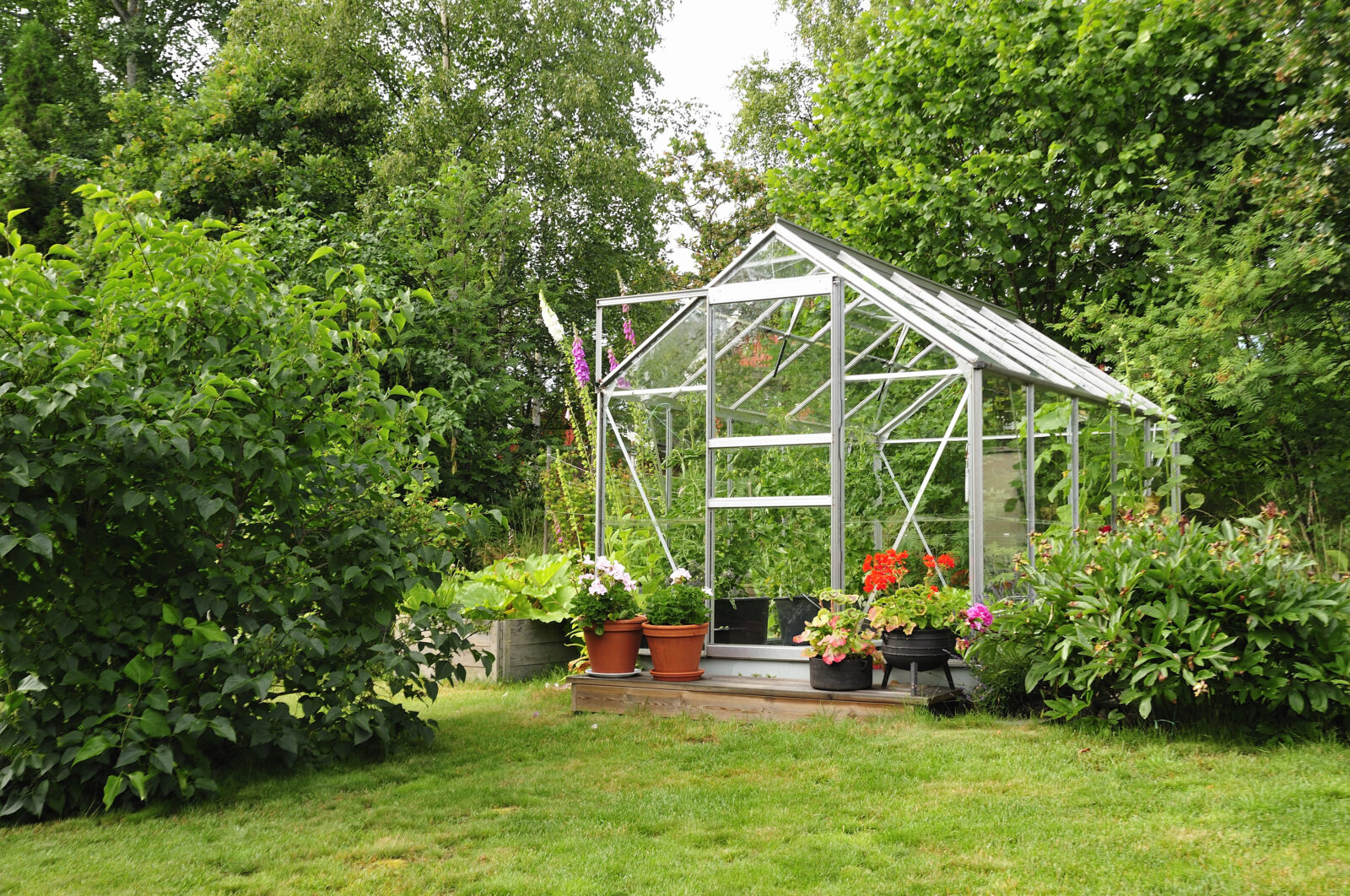
For many homeowners, the changes are positive because common garden structures will involve less bureaucracy than before. At the same time, there is growing emphasis on keeping water-related works and groundwater use under control, which means higher demands for expertise and a greater risk of problems if obligations are underestimated.
Before starting any construction in the garden, it makes sense to check the building rules, the local zoning plan, and any restrictions under water law and protection zones.
If you get your bearings in advance, you can take advantage of the simplifications where they make sense while avoiding unpleasant surprises with wells, treatment plants and other installations that affect water and the environment. The new rules will often make building in the garden easier, but they demand extra care where water resources are concerned.
Source: Zákony pro lidi, Bumerang, Seznam zprávy
Source: Pestrazahrada.cz

A lover of nature, gardens, and everything that moves, blooms, or grows. He literally grows everything, from herbs to rare species, and he enjoys caring for animals just as much. In his work, he connects modern technology with tried-and-tested grandmotherly methods and is happy when both paths lead to the same goal.
Related articles

One Rat in the Garden Can Quickly Turn Into a Colony How to Prevent It Without Chemicals
A rat on your property is a warning sign that your garden is offering food and shelter. With a few practical, chemical-free changes, you can make the area far less attractive and stop a bigger infestation taking hold.

Garden robotics and automation save time but one thing surprises owners after purchase
Robotic mowers, smart irrigation and garden sensors can take over routine tasks and improve day-to-day plant care. The catch is that the real cost and upkeep often become clear only after you’ve bought in.
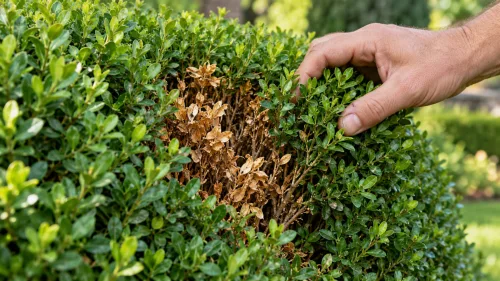
Hedge Drying Out Inside Before You Reach for the Shears Find Out Why It’s Normal
Dry leaves and twig dieback inside an older, dense hedge are often a normal result of shade and natural self-thinning. If the outside remains healthy and green, there’s usually no need for drastic pruning or treatments.
Comments (0)
Be the first to comment.