
 English
  Polski
  Deutsch
  Nederlands
  Svenska
  Norsk
Norsk  Dansk
Dansk  Français
  Italiano
  Español
  Português
  Slovenčina
  Suomi
Suomi  Gaeilge
 Crooked Cucumbers Aren’t a Fluke Here’s What Really Causes Them
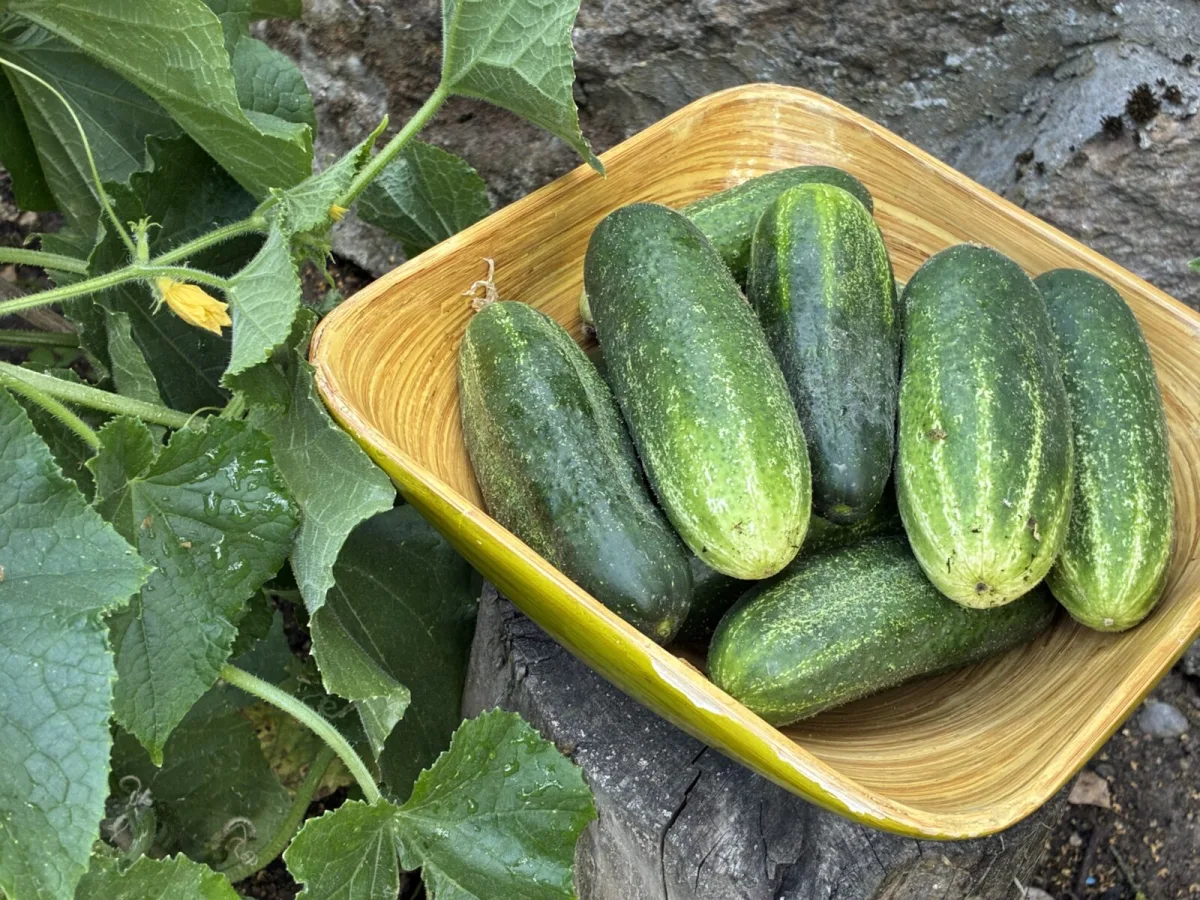
Cucumbers are among the most popular summer vegetables because they grow quickly, taste great, and are incredibly versatile in the kitchen. That’s why it can be such a surprise at harvest time to find, instead of nice straight fruits, cucumbers with tapered ends, curved like a bow, unevenly swollen, or even oddly lumpy. These deformed cucumbers usually don’t mean the plant is finished, but they do signal that something went wrong during fruit development, and it can often be corrected fairly easily.
Most often, cucumber shape is affected by fluctuating moisture, insufficient pollination, feeding, high temperatures, or mechanical damage. Sometimes the causes overlap, so one bed may produce some perfect fruits and some poor ones. The key is to watch for patterns: when the deformities show up and what the growing conditions were at that time.
Main causes of misshapen cucumbers
Uneven watering and drought during rapid growth
Cucumbers are made up largely of water, so they’re more sensitive to a regular moisture supply than many other vegetables. If plants dry out significantly one time and then get an excess of water another time, the fruit can develop unevenly. This is typical in hot, dry summer weeks, when cucumbers grow almost before your eyes and even the slightest moisture swing shows up quickly. The result can be fruits that are tapered at one end, curved, or irregularly swollen.
This problem often happens when watering is done in spurts and only wets the soil surface. Roots then lack stable conditions, and the plant responds with stress that shows up in both the quality and shape of the crop.
High temperatures and stress while setting flowers
Cucumbers do best at roughly 24 to 29 °C. When temperatures stay higher for extended periods, the plant may reduce flowering or produce flowers unevenly. That can lead to fruit developing under less-than-ideal conditions and ending up twisted or generally irregular. Heat also increases water loss, so moisture stress often joins in as well.
Nutrient deficiency in a hungry crop
Cucumbers are heavy feeders. When nutrition is lacking, plants may grow more slowly, form weaker flowers, and produce fruits that aren’t symmetrical. Underfeeding can be subtle because the plant may still flower and set fruit, but fruit quality gradually declines. Regular feeding with a balanced fertiliser or using organic nutrition that releases nutrients more steadily helps.
Incomplete pollination
A very common reason for deformities is poor pollination. If not enough pollen reaches the female flower, the fruit may start to grow but won’t develop evenly. The result is often a cucumber that’s curved, thinner at one end, or looks as though part of it stopped growing. Poor pollination is more common in cool or rainy weather, when there aren’t enough pollinators, and also in greenhouses where insect activity is limited.
Physical obstruction and fruit damage
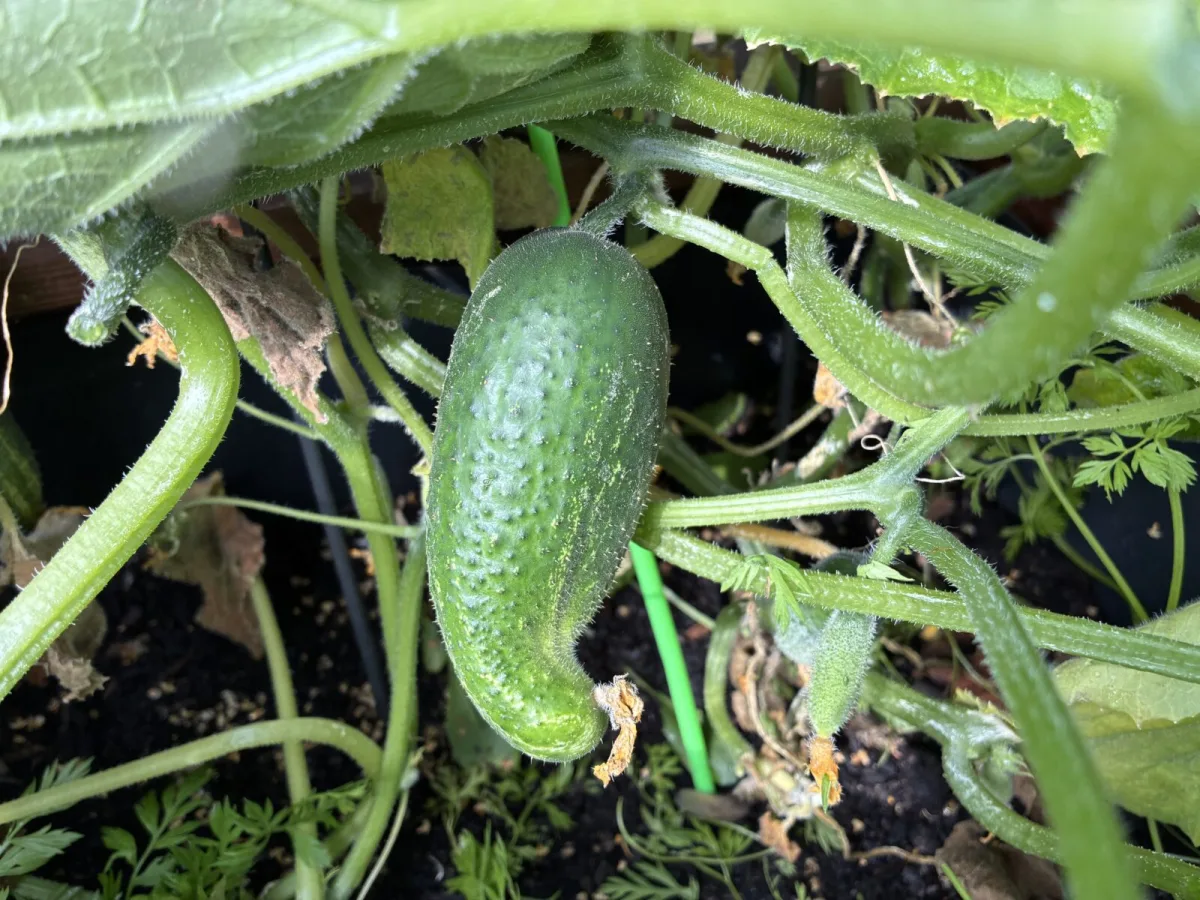
A cucumber can also deform for purely physical reasons. If a young fruit bumps into netting, string, a support frame, or gets wedged between stems and leaves as it grows, it will bend according to the space available. Rough handling during weeding or tying in can also affect shape. These cucumbers are often strongly curved, flattened, or kinked where pressure occurred.
How to prevent cucumber deformities in practice
Keep the soil evenly moist
The most important prevention is steady, moderate moisture. The soil should be moist, but not waterlogged. During heatwaves, it’s better to water more often and in a way that gets water deeper down to the roots. A simple irrigation system or a consistent routine of watering at the same time each day also greatly improves stability. When the plant avoids drought stress, fruit shape is noticeably more uniform.
Protect plants from extreme heat
If temperatures spike during the day while cucumbers are flowering and setting fruit, temporary shading can help. It’s best to shade during the hottest part of the day, and uncover plants in the morning and evening so flowers can be pollinated. The aim is to reduce heat stress without limiting pollinator access.
Support pollination by hand
If there are few pollinators or you’re growing cucumbers under cover, you can help pollination by hand. Use a cotton bud or a soft small brush and transfer pollen from the stamens of a male flower to the stigma of a female flower. This increases the chance the fruit will develop evenly. Hand pollination is especially useful when the weather is unsettled and bees and bumblebees are flying less.
Feed regularly and don’t overdo it
Cucumbers benefit from regular nutrient top-ups, typically every two to three weeks with a balanced fertiliser. If you use organic fertilisers, the advantage is a steadier nutrient supply. It’s important to stick to sensible rates, because overfeeding can cause lush leaf growth at the expense of fruit and increase susceptibility to other issues. Ideally, the plant grows evenly and has the strength to both flower and crop well.
Give fruits space and check supports
With cucumbers grown vertically, check regularly that young fruits aren’t pressing against netting or getting pinched. Adjust the training so fruits hang freely. With trailing cucumbers on the ground, it helps to occasionally rearrange leaves so a fruit isn’t forced into an unnatural position and has room to grow without obstacles.
Are misshapen cucumbers safe and tasty to eat
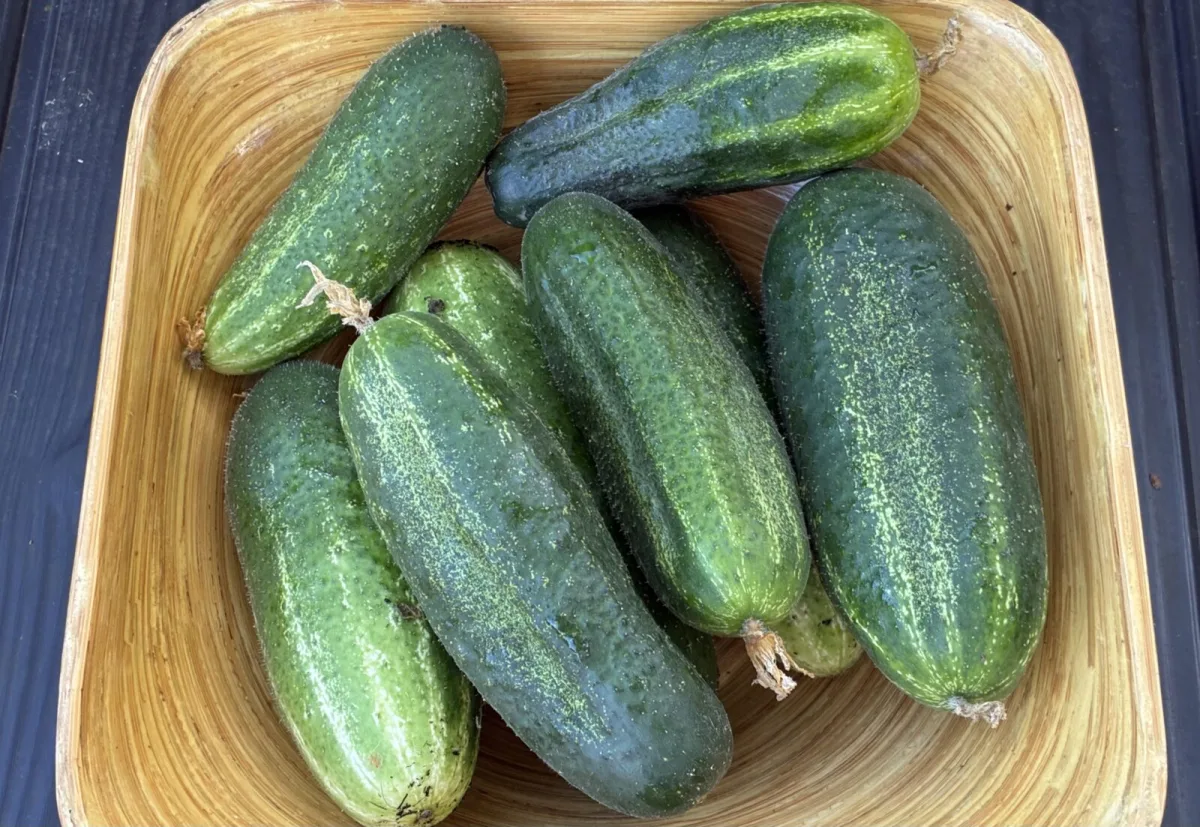
Yes, misshapen cucumbers are generally perfectly safe to eat. In the vast majority of cases it’s just a cosmetic defect that doesn’t change flavour or how you can use them. If the cucumber is firm, free of rot, and has no suspicious spots, you can use it as normal in salads, for pickling, or in cold dishes. Deformity in itself is not a health risk.
Common questions when growing cucumbers
Why are my cucumbers curling into a curve
Most commonly it’s due to irregular watering, weaker pollination, or a lack of nutrients. Heat stress can also play a role, as can a physical obstruction if the fruit presses against a support or gets caught as it grows.
Why are some cucumbers round like a ball
A round or nearly round shape can result from poor pollination, stress from lack of water or nutrition, or high temperatures. At the same time, it can also be a varietal trait, for example in so-called lemon cucumbers, which naturally produce smaller yellow fruits about the size of a tennis ball.
When to pay attention and what to watch before the next harvest
If deformities show up only occasionally, adjusting your care is usually enough and the next fruits will be fine. But if most of the crop is persistently twisted or uneven, focus on consistent watering, pollinator access, regular feeding, and also whether fruits have free space to grow. The best results usually come from a combination of several small changes that stabilise growing conditions for cucumbers.
Source: Gardening Know How, Epic Gardening , Pestrazahrada.cz
Related articles
Don’t Prune Hydrangeas in October
Tidying the garden in autumn is tempting, but October pruning can cost your hydrangeas next year’s flowers. Only two light interventions make sense this time of year; everything else is best left until the right season.
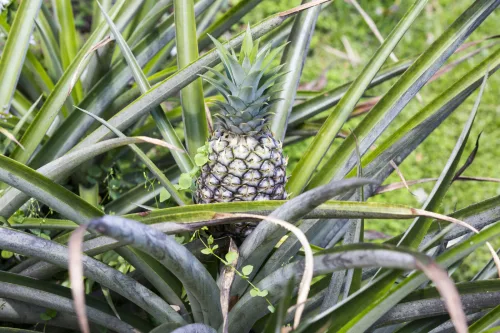
A Pineapple Top Will Root in Two Weeks, but Success Depends on the Step Most People Skip
Don’t throw away the leafy crown when you cut a pineapple. With the right prep, light, warmth and careful watering, you can root it and grow a houseplant that may eventually fruit.

Overwintering Geraniums in a Box Ensures Stronger Growth and More Abundant Spring Bloom
Many people throw balcony geraniums away after the season, even though they can overwinter very well. Stored correctly in a box in cool, dark, dry conditions, they’ll come back stronger and flower generously in spring.
Comments (0)
Be the first to comment.