
 English
  Polski
  Deutsch
  Nederlands
  Svenska
  Norsk
Norsk  Dansk
Dansk  Français
  Italiano
  Español
  Português
  Slovenčina
  Suomi
Suomi  Gaeilge
 The perennial that smells like cola and brightens a sunny garden effortlessly
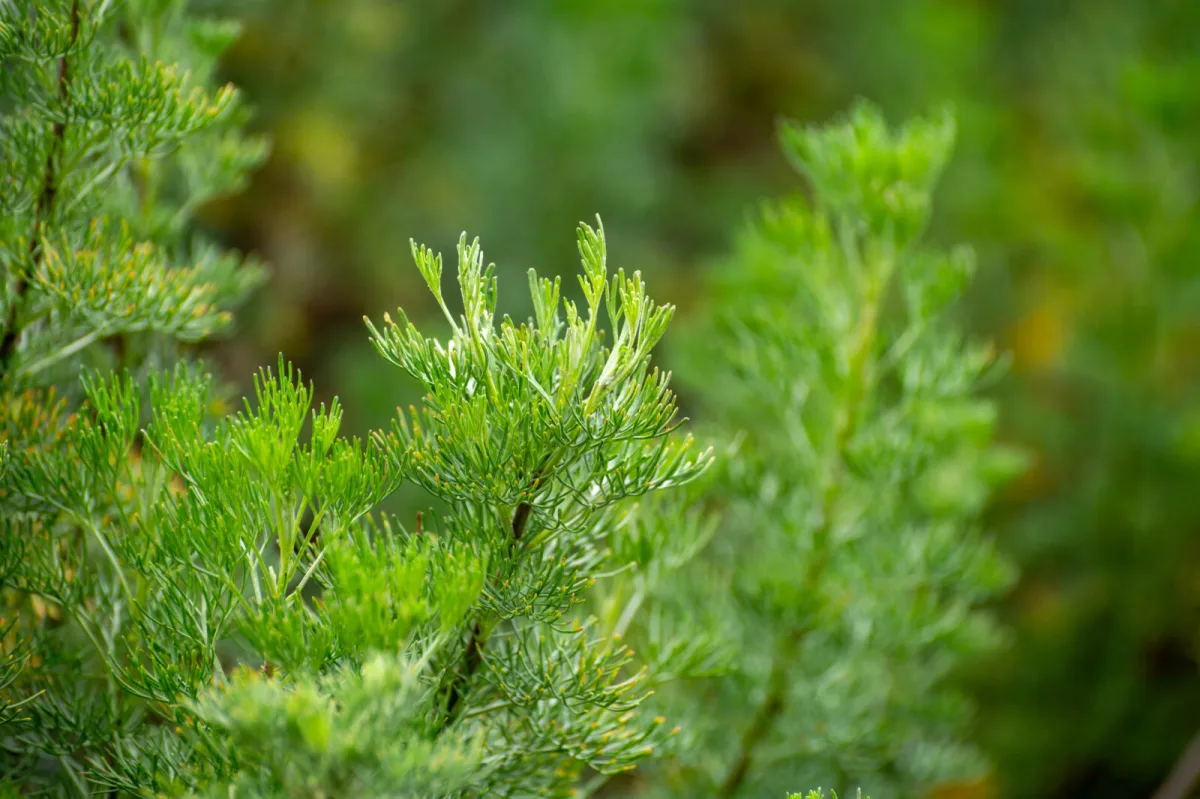
Southernwood (Artemisia abrotanum, also known as lad’s love) is one of the less commonly grown perennial herbs, yet it easily earns its place in the garden. It’s valued for fast growth, good adaptability, and very modest care requirements. Traditional herbal uses are often mentioned as another benefit. You can plant it not only in spring, but also in summer, when warm weather and sun-warmed soil help it establish more quickly and reliably.
Getting a young plant is usually straightforward these days; you’ll typically find it in well-stocked garden centres, DIY stores and at markets. It originates from southern and south-eastern Europe, but it performs well in our conditions too, especially in warmer regions and lowlands.
Lad’s love and a fragrance that brings cola to mind
The plant grows densely, shrubby, and mostly upright. It has finely divided, light green leaves with a slightly bitter taste, and it stays ornamental throughout the season. The real draw, however, is the scent. You’ll notice it with the lightest touch of the stems, and even more strongly when you rub the youngest shoots. The fragrance is usually at its most intense on warm summer days.
The most fragrant is often said to be the Coca-Cola cultivar, which is also the one most commonly sold. Once established, it reaches roughly 100 cm in height and about 50 cm in width. In summer, usually from July, it produces small yellow flowers that lightly decorate the plant, even though foliage and fragrance are the main attraction.
Where to plant southernwood so it thrives
Choose the sunniest, warmest spot you can, ideally with some shelter. In shade it loses vigour and aroma, and in damp conditions it suffers. It likes free-draining soil, on the dry side and even relatively low in nutrients, and it will tolerate stony ground. It is not suitable for heavy soils that stay wet for long periods.
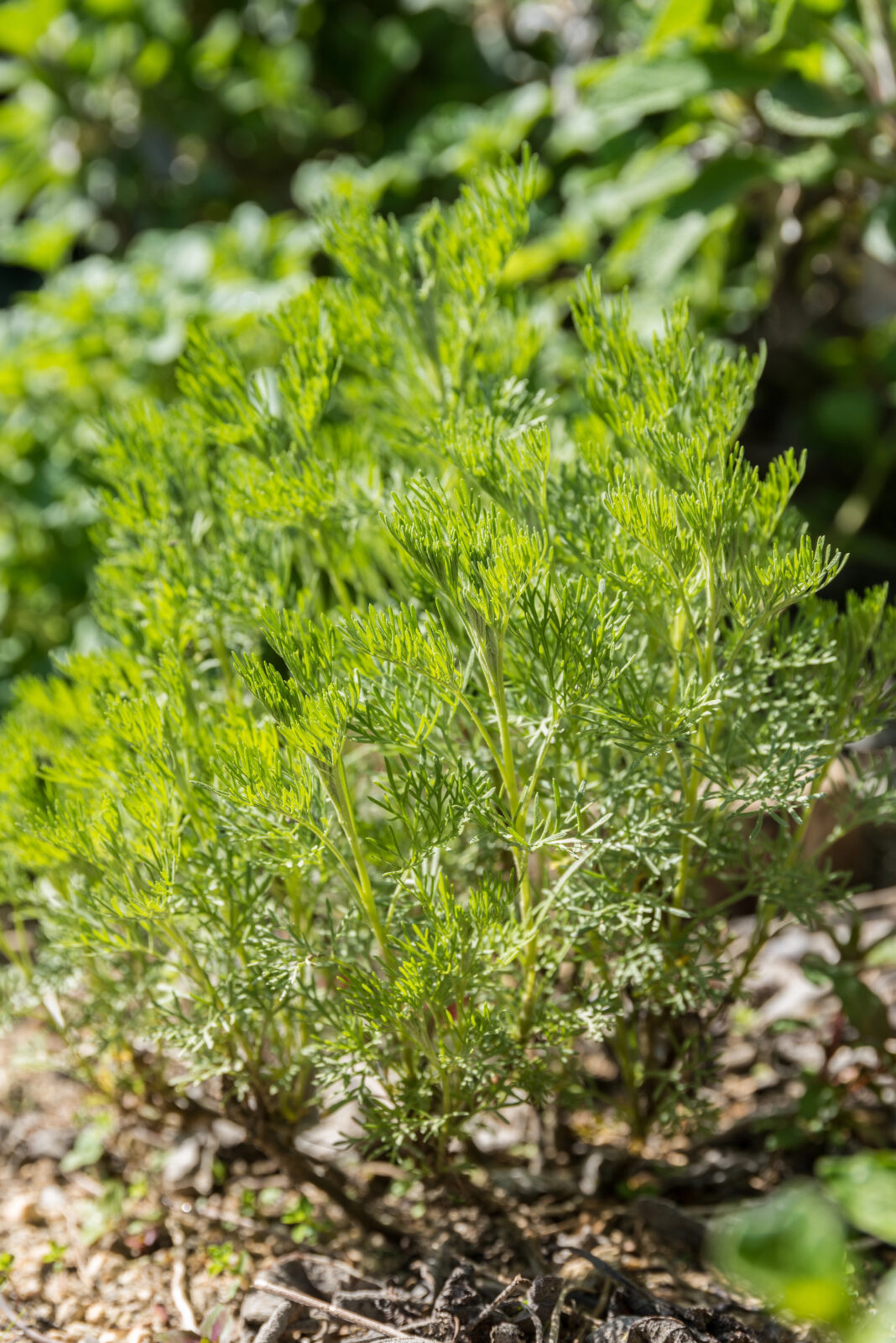
In the garden it works well in herb beds, gravel plantings, dry walls, or on sunny slopes. One plant is often enough as a specimen, but a small group can be very effective too. If you want a more compact planting, allow roughly three to four plants per square metre.
Planting and watering through the year
Plant young plants in spring or summer, always keeping the rootball intact. After planting, regular watering is important so the plant settles in without stress. Once it is well rooted, it usually copes on natural rainfall and only needs extra water during prolonged drought.
Late autumn planting is less suitable. The plant may not have time to establish properly before winter, which increases the risk of frost damage. If you don’t have space in a border, you can also grow southernwood in a medium-sized pot; the key is to use a free-draining herb compost and make sure water never sits in the container.
Care, pruning and easy propagation
Once established, lad’s love becomes an almost maintenance-free plant. Basic care comes down to an annual spring cut-back. A harder prune encourages fresh growth, and the new shoots tend to be the most intensely scented. There’s no need to worry about cutting it back quite firmly; southernwood responds very well.
Feeding is usually unnecessary, and regular watering isn’t needed either. A nice bonus is that it isn’t often troubled by diseases or pests, which makes it well suited to gardens where the aim is simple, nature-friendly care.
You can propagate it in two common ways. In spring, divide older, established clumps. In early summer, you can take semi-ripe cuttings, which root quite readily with suitable warmth and moisture.
Practical uses and traditionally mentioned effects
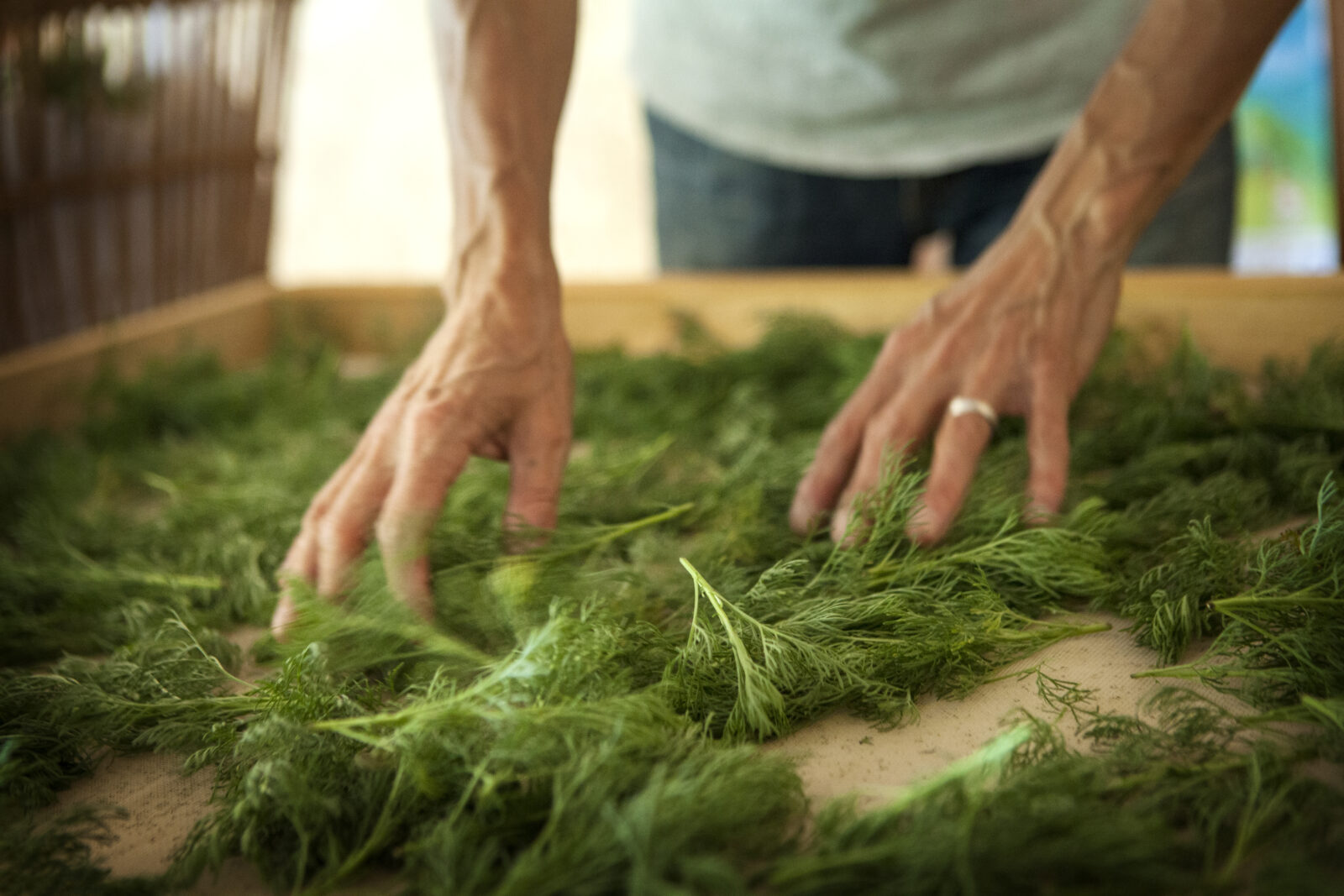
Even though southernwood’s main appeal is its fragrance, it can also have practical uses at home. People traditionally place the dried herb in wardrobes or older rooms as a way to deter moths. The leaves are also used to make herbal teas, which are described as supportive for digestive discomfort.
When taking herbs internally, it’s wise to be cautious and use sensible amounts, especially if you have health conditions or take medication.
In the kitchen, you can experiment carefully with fresh leaves. In small amounts they can be used as an aromatic seasoning, for example with meat dishes, where their strong scent works as an unusual herbal note.
Source: Záhrada, Botany, Wikipedia, Pestrazahrada.cz

A lover of nature, gardens, and everything that moves, blooms, or grows. He literally grows everything, from herbs to rare species, and he enjoys caring for animals just as much. In his work, he connects modern technology with tried-and-tested grandmotherly methods and is happy when both paths lead to the same goal.
Related articles
Autumn planted grapevines bud earlier the most common mistake happens before they even go in the ground
Planting grapevines in November can give them a head start in spring, as roots can still establish in warm soil. Success depends mainly on proper planting depth and reliable winter protection.
Ten Crops to Sow Before Winter for an Earlier Spring Harvest
Autumn sowing lets hardy vegetables and herbs root in before frosts, so they spring into growth as soon as temperatures rise. With the right timing and bed preparation, you can harvest noticeably earlier in the new season.
Planting Garlic Has One Rule Most Gardeners Break Right at the Start
Autumn is the ideal time to plant garlic, but timing it by soil and air temperature matters more than the calendar. Planting once temperatures stay below 9 °C and using good cloves in well-prepared soil sets you up for a strong spring start and a better harvest.
Comments (0)
Be the first to comment.