
 English
  Polski
  Deutsch
  Nederlands
  Svenska
  Norsk
Norsk  Dansk
Dansk  Français
  Italiano
  Español
  Português
  Slovenčina
  Suomi
Suomi  Gaeilge
 Why Zucchini Rot Mid-Season and How to Extend the Harvest Without Losses
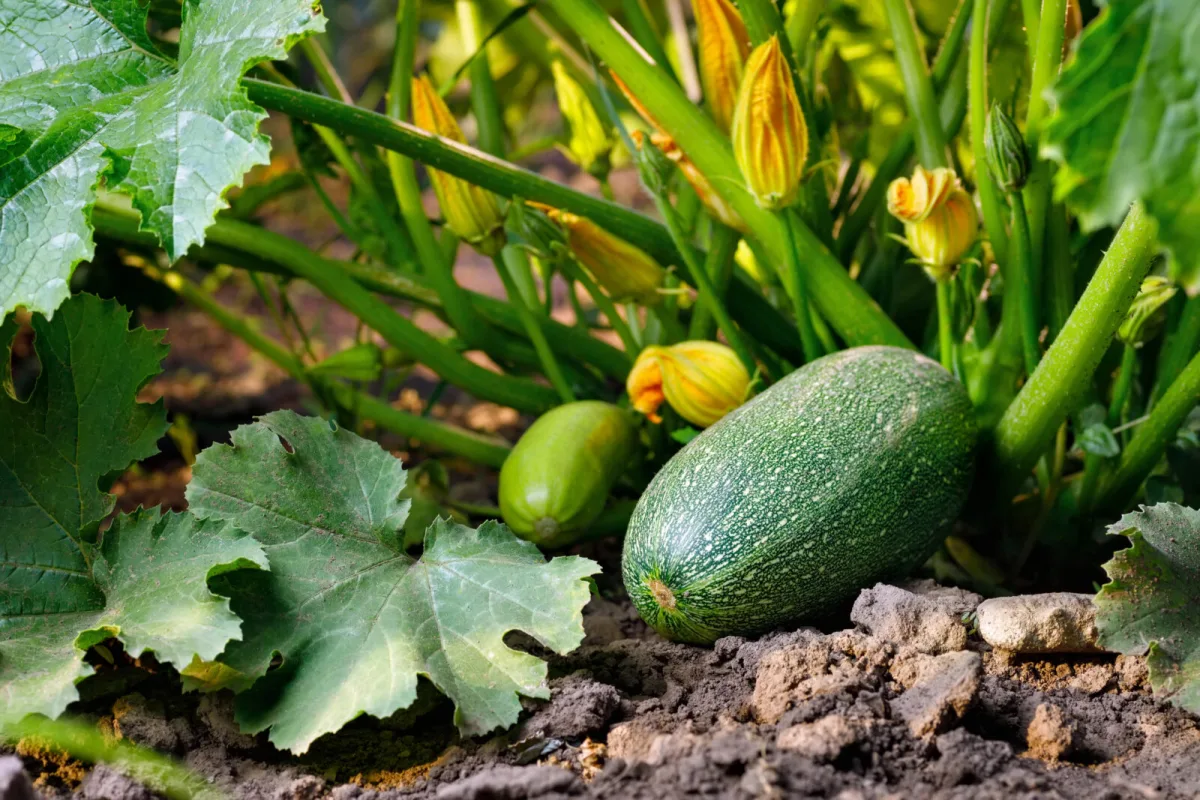
Zucchini can crop for a long time, sometimes right into the cooler days of autumn. But to stop them from giving up early and ending the season with mouldy fruit, they need steady conditions in the bed. A common problem comes after rain, when the soil turns to mud and raindrops splash dirt onto the leaves and young courgettes. Damp then lingers around the fruit; they sit on wet ground and very easily begin to soften, pick up mould and gradually rot. The solution isn’t complicated, but you do need to choose the right bedding and not cut corners with how it’s laid.
Mulch as a simple shield against damp and dirt
Mulching is useful for zucchini for several reasons. Above all, it acts as a barrier between the soil and the plant, so in wet weather mud doesn’t splash up onto the leaves and the bed stays cleaner. Just as importantly, the fruit isn’t lying directly on wet soil. Contact with damp ground is often the main trigger for rot, especially in small fruits that stay in touch with the soil for longer.
A mulch layer also softens temperature swings. Roots aren’t exposed to sudden overheating or rapid chilling after a cold downpour, which shows up in better plant vigour. Another benefit is supporting life in the soil. Organic material breaks down over time, helping soil microorganisms and improving soil structure. This matters not only in traditional beds but also in raised beds, where the quality of the growing medium decides how well zucchini will grow and how long they’ll keep producing.
Which materials to be cautious with so mulch doesn’t make things worse
Not every mulch suits zucchini equally well. A common mistake is a thick layer of freshly cut grass clippings. It’s convenient because it’s close at hand, but if applied straight away and in larger amounts it heats up quickly. It starts to smell, mats into a wet layer, moulds easily and creates an ideal hiding place for slugs. Fruits that touch the grass then have a much higher risk of rotting.
If you want to use grass, you need to change the approach. Let it dry first, ideally for two days in the open air, and use it only very sparingly under zucchini. A thin layer of around 2 cm is usually enough to reduce soil splash, while being less likely to sweat and turn slimy. As soon as there’s too much, the problem tends to get worse rather than better.
Mulch that truly suits zucchini and extends the harvest
Straw, sheep’s wool or hardwood wood chips are considered more reliable choices. These materials keep fruit lifted above the soil, don’t absorb water into a dense mat as readily, and are less likely to encourage mould. With wood chips, hardwood is recommended, as it typically doesn’t alter soil pH as much. For zucchini, the key is that the mulch keeps fruit away from wet conditions without unnecessarily smothering the bed.
With straw and wood chips, a layer of about 5 cm makes sense so the protection is genuinely effective. Before mulching, it’s worth preparing the soil. First loosen it, remove weeds and water thoroughly. Then you can lightly rake the surface so water moves deeper. Only then spread the mulch, which helps hold moisture longer and reduces the need for frequent watering.
How to support growth when mulching with wood chips
With wood chips, keep in mind that as they break down the soil may temporarily tie up more nitrogen. So zucchini doesn’t slow down and has the strength to keep setting more flowers and fruit, it pays to feed regularly. A practical option is a plant-based liquid feed made from nettles, dandelions and comfrey, which supplies readily available nutrients.
The method can be straightforward. Put the plants into a container in a one-to-one-to-one ratio, cover with water and let the mixture ferment. The finished liquid is then diluted at a ratio of 1 to 9 and used about once every two weeks. This way zucchini has enough nutrients, copes better with a long season and, with the right mulch, the risk of fruit rot is greatly reduced.
Source: GrowVeg, Purdue University, Pestrazahrada.cz

A lover of nature, gardens, and everything that moves, blooms, or grows. He literally grows everything, from herbs to rare species, and he enjoys caring for animals just as much. In his work, he connects modern technology with tried-and-tested grandmotherly methods and is happy when both paths lead to the same goal.
Related articles

Yellowing cucumber leaves have a clear cause and with the right response plants recover quickly
Cucumber leaves turn pale and yellow when the plant is under stress—most often from watering mistakes, nutrient imbalance, or sudden temperature swings. Spot the pattern early and you can restore growth and protect your harvest fast.
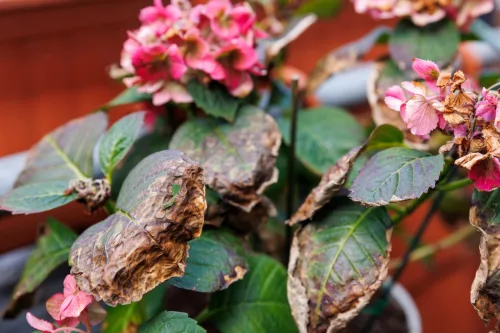
How to Get Browning Hydrangeas Back on Track Without Chemicals
Brown leaf edges or spots on hydrangeas usually point to a simple mismatch in light, watering, or airflow rather than a lost cause. Learn how to read the symptoms and restore your shrub quickly with gentle, practical fixes.
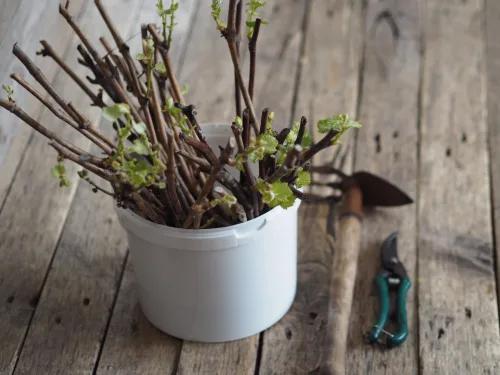
Turn Ground Cinnamon Into a Secret Weapon for Stronger, Tougher Plants
Ground cinnamon isn’t just for baking—it can help protect houseplants and garden plants from mould and fungal issues, support cuttings, and even act as quick first aid for minor wounds. Used lightly, it’s an affordable, gentle, natural add-on to good growing practice.
Comments (0)
Be the first to comment.