
 English
  Polski
  Deutsch
  Nederlands
  Svenska
  Norsk
Norsk  Dansk
Dansk  Français
  Italiano
  Español
  Português
  Slovenčina
  Suomi
Suomi  Gaeilge
 An Orchid Ready for the Bin Only One Change and It Will Bloom Again
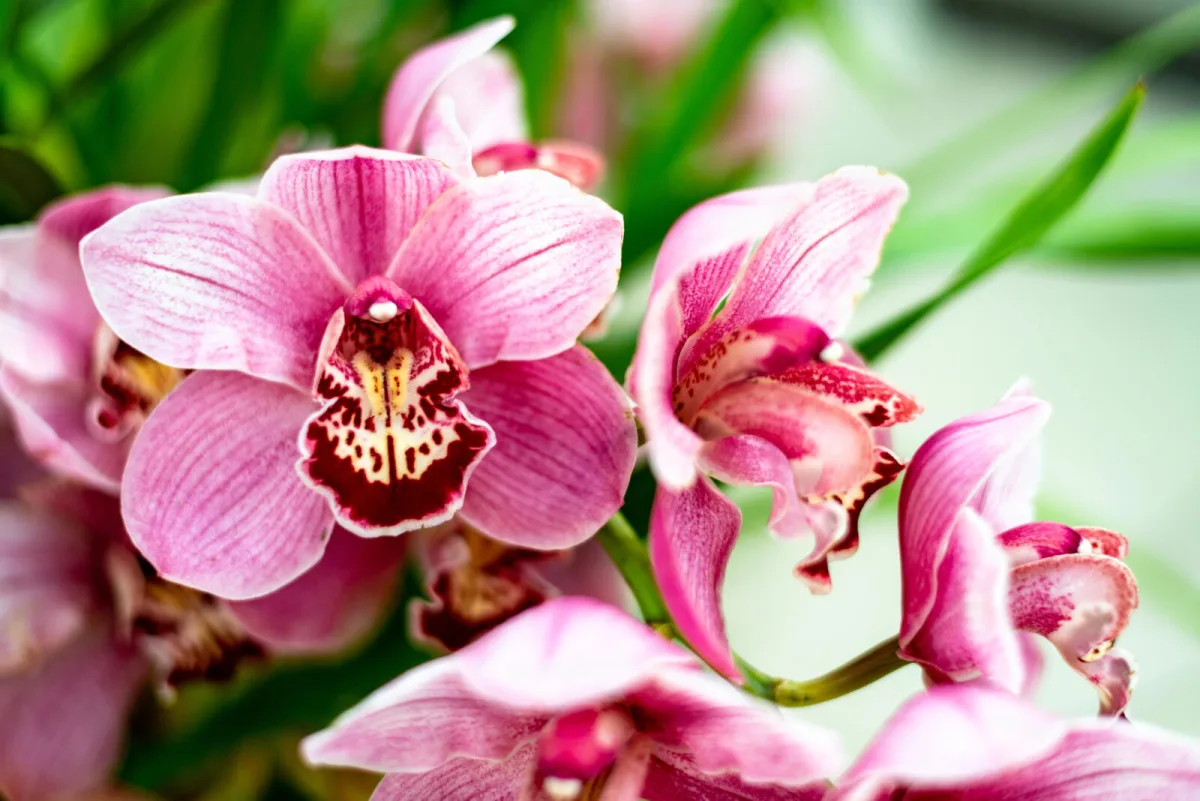
Sometimes it takes very little for even a plant that looks completely ruined to recover. That’s exactly what happened with one orchid that had been neglected for a long time and, at first glance, didn’t look like it had a chance. With orchids in particular, even a weakened specimen can rebound surprisingly fast if you give it more suitable conditions.
A cottage story where the plant almost dried out
The orchid had been left at a holiday cottage and no one took care of it for quite some time. On returning, the plant was badly dehydrated, the leaves were wrinkled, limp, and overall it looked like a classic candidate for the bin. The choice was simple: either try one last rescue attempt, or discard it without further effort.
One change that decided it: growing without potting mix
The inspiration came from advice from someone who grows orchids without the usual potting medium. The plant’s poor condition gave the courage to try something many growers wouldn’t dare with a healthy orchid. When you feel there’s nothing left to lose, experimenting becomes much easier.
First, the orchid needed to be freed of the old potting mix. The roots were cleaned so that no bits of bark or moss remained, which could rot in damp conditions. The point was to put the plant into a clean setup where both water levels and root health would be easier to monitor.
A method using an ordinary jar and a little water
An ordinary preserving jar worked perfectly as the container. Clean water was poured into the bottom in a shallow layer. The crucial detail was that the roots were not fully submerged. Only the very bottom part reached the water, while the rest of the root system stayed above the surface. This gave the plant access to moisture while still providing plenty of air, which is essential for orchids.
In practice, this means the orchid sits in the container so the water touches the roots only partially. The roots then draw up moisture gradually, and it doesn’t behave like constant waterlogging. This simple difference can be the key for a weakened plant.
How quickly results can show
According to experience, the leaves began to straighten within a single day. After roughly two weeks, buds appeared and the plant then flowered for many months. When an orchid is thriving, it can keep producing more and more buds over time, so the flowering period isn’t just a brief episode.
Next time you’re thinking about throwing an orchid away, give it one last chance in a jar with water, with the roots just lightly sitting at the waterline.
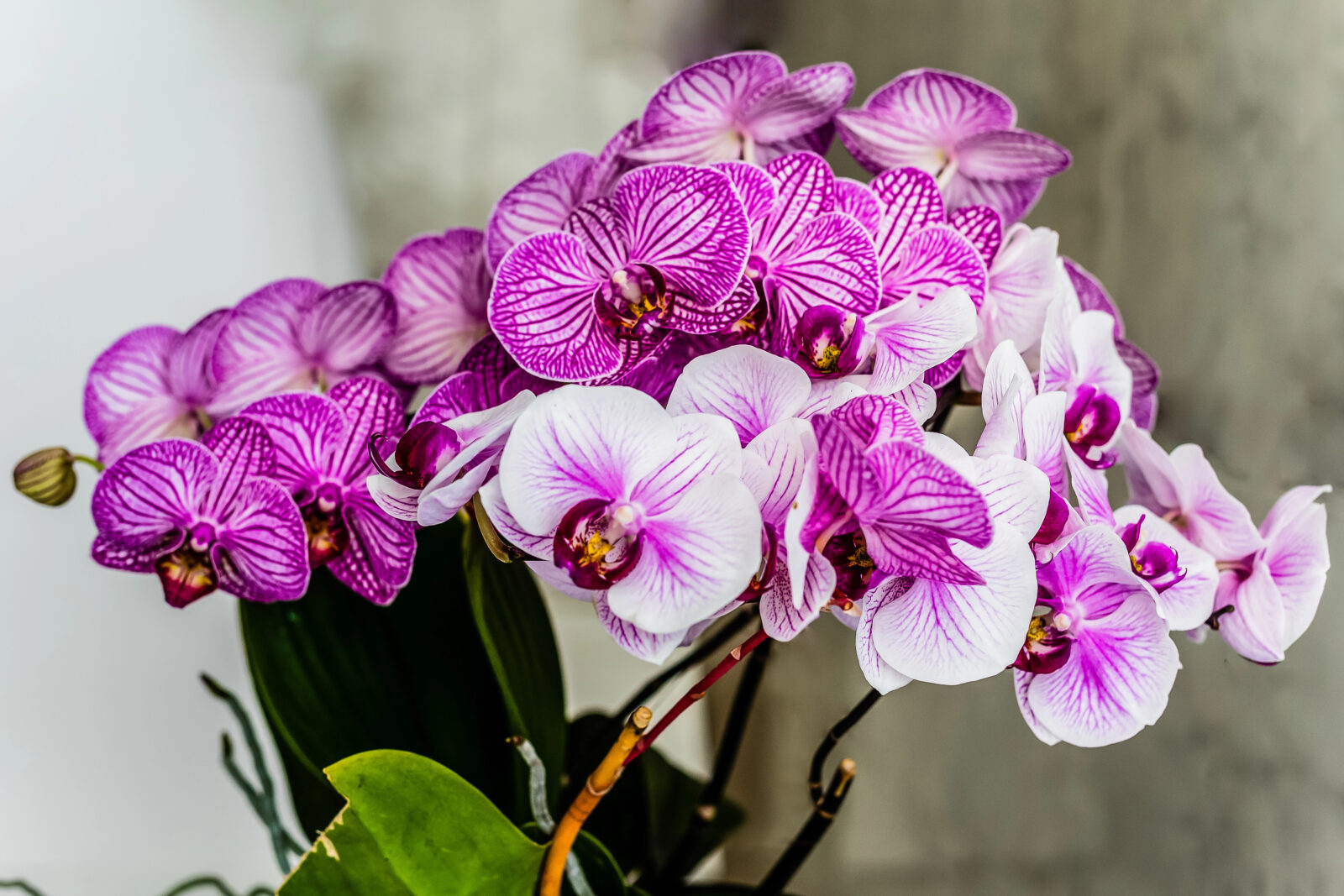
Why water growing can work
Growing orchids in water is often referred to as water culture. The principle isn’t to keep the plant standing in water up to the roots all the time, but to create an environment with steady humidity while still providing plenty of air. For many growers, another advantage is that the roots are clearly visible, making it easy to spot changes quickly.
Lower risk of rot when set up correctly
If you use clean water and refresh it regularly, the likelihood of rot can be reduced. The key is that the orchid must not be completely submerged. Air around the roots is just as important as moisture, so it pays to keep the water level low and watch how the roots respond.
Moisture control without guesswork
With potting mix, you often can’t tell whether it’s still wet inside or already dry. In a glass container, it’s much clearer. The water provides stable humidity, which can help especially in overheated homes with dry air, where orchids lose turgor quickly and the leaves soften.
Fewer pests and a cleaner setup
Without the usual compost and bark, there’s often less chance of certain pests that like to hide in the medium. A clean glass setup also makes basic growing hygiene easier, because you can quickly check for deposits, algae, and any smell that could signal a problem.
Looks and easier maintenance
An orchid in a jar or vase can look modern and elegant, especially when the roots are healthy and the container is transparent. In some ways, care is simpler because there’s no potting mix to manage, and any feeding can be added carefully straight into the water. Even so, observation is everything, and it’s better to adjust the amount of water according to how the roots and leaves respond.
A last chance that often pays off
Not every orchid can be saved, but changing the growing method can be exactly what a weakened plant needs. If you have one at home that’s declining, losing firm leaves, or simply looks tired, you can try the jar method with a low water level. In many cases, it can be the simplest step that makes the difference between the bin and a return of blooms.
Source: To je nápad, Gardening Know How, Pestrazahrada.cz

A lover of nature, gardens, and everything that moves, blooms, or grows. He literally grows everything, from herbs to rare species, and he enjoys caring for animals just as much. In his work, he connects modern technology with tried-and-tested grandmotherly methods and is happy when both paths lead to the same goal.
Related articles
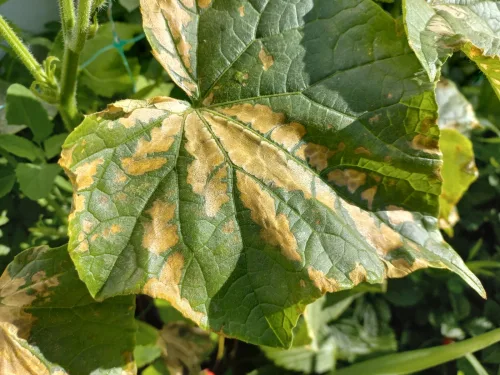
Yellowing cucumber leaves have a clear cause and with the right response plants recover quickly
Cucumber leaves turn pale and yellow when the plant is under stress—most often from watering mistakes, nutrient imbalance, or sudden temperature swings. Spot the pattern early and you can restore growth and protect your harvest fast.
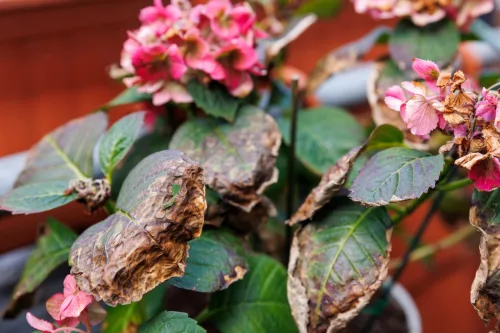
How to Get Browning Hydrangeas Back on Track Without Chemicals
Brown leaf edges or spots on hydrangeas usually point to a simple mismatch in light, watering, or airflow rather than a lost cause. Learn how to read the symptoms and restore your shrub quickly with gentle, practical fixes.
Turn Ground Cinnamon Into a Secret Weapon for Stronger, Tougher Plants
Ground cinnamon isn’t just for baking—it can help protect houseplants and garden plants from mould and fungal issues, support cuttings, and even act as quick first aid for minor wounds. Used lightly, it’s an affordable, gentle, natural add-on to good growing practice.
Comments (0)
Be the first to comment.