
 English
  Polski
  Deutsch
  Nederlands
  Svenska
  Norsk
Norsk  Dansk
Dansk  Français
  Italiano
  Español
  Português
  Slovenčina
  Suomi
Suomi  Gaeilge
 Why It Makes Sense to Put Grapes in the Freezer Overnight
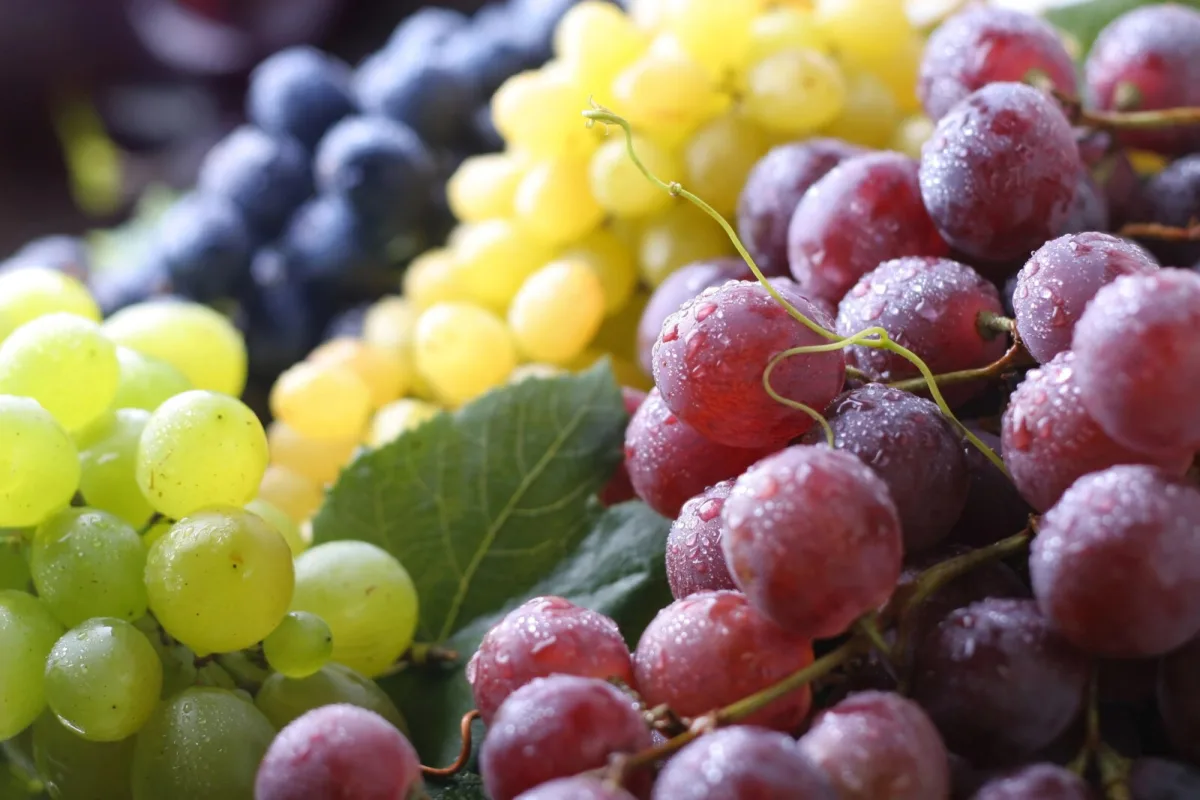
Most people eat grapes fresh, or preserved. Less well known is that freezing can turn ordinary grapes into an interesting and practical addition to your diet. Simply leave grapes in the freezer for roughly one night, about twelve hours. Over that time, not only do their texture and flavour change, but nutrition guidance suggests frozen grapes can also be a handy stand-in for sweets—something people often reach for when they’re tired or craving a treat.
What grapes contain and why they’re beneficial
For many centuries, grapes have been an important food in various cultures, especially around the Mediterranean. The flesh contains vitamin C, B vitamins including folate, and minerals such as magnesium and potassium. They’re also a source of antioxidants, which help protect cells from damage. That’s why grapes are often linked with supporting the cardiovascular system, and why regularly eating antioxidant-rich foods may also contribute to slower visible signs of ageing.
Freezing highlights sweetness and creates a sorbet effect
The most noticeable change after freezing is the taste. Cold temperatures can make the grapes’ sweetness stand out much more, in both green and red varieties. Inside each grape, a delicate icy structure forms that resembles sorbet. That’s why frozen grapes, straight from the freezer, are so appealing as a quick snack that feels like dessert—even though it’s still fruit. But flavour isn’t the only reason people are adding them more often.
Frozen grapes as a helper when you’re craving something sweet
Nutritionists often recommend frozen grapes to anyone who wants to lose weight sensibly but doesn’t want to give up sweet flavours entirely. The naturally occurring fructose usually doesn’t cause sharp swings; instead, it can gently lift energy levels. That can help in moments of fatigue, low mood, or an afternoon sweet craving—when it’s easy to grab a biscuit or chocolate. For children, frozen grapes can be a pleasant alternative to conventional sweets, because they’re naturally sweet and refreshing at the same time.
Calories, fat, and why they fit a balanced routine
A portion of frozen grapes can be surprisingly moderate. It’s often stated that a cup of frozen grapes contains around 110 calories and only a small amount of energy from fat. They’re also low in sodium, which suits anyone keeping an eye on their overall diet. A handful of grapes provides vitamin C and other nutrients without being a fatty indulgence.
The difference between green and red grapes
In terms of taste, freezing works similarly for both, but there are differences in certain compounds. Red grapes are often mentioned for resveratrol, an antioxidant commonly associated with supporting heart health. So if you’re choosing between green and red, the red option can be particularly interesting for that benefit—although both can be useful in your diet.
How to use frozen grapes in the kitchen
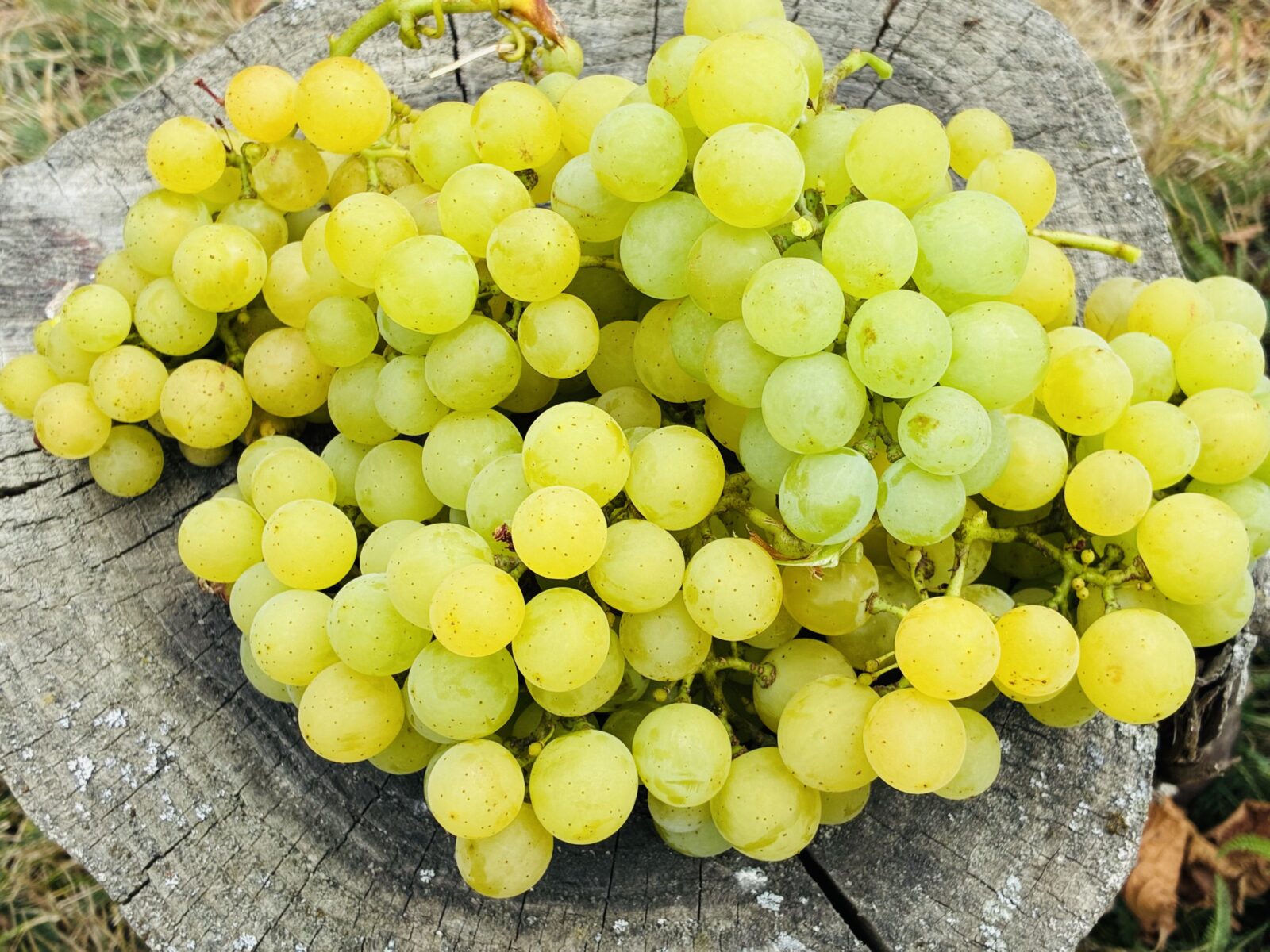
Frozen grapes can be eaten on their own, but they work brilliantly as an ingredient too. They’re great in smoothies, fruit cocktails, or simple layered desserts in a glass, where they can replace some of the added sugar. They’ll also naturally chill both drinks and desserts, so the result feels fresh and light.
Frozen grapes in tea and drinks for guests
In colder seasons, some people add a few frozen grapes to hot tea. It’s not a sweetener in the true sense, but the grapes can gently flavour the tea and also provide a small vitamin boost. Another handy trick is to use frozen grapes as an edible alternative to ice cubes. When you’re expecting visitors, just drop one or two grapes into a glass—the drink cools down nicely and gets an appealing finishing note of flavour.
How to freeze grapes properly and how long they last
The method is simple. Rinse the grapes, let them drain well, and depending on your preference either separate them into individual grapes or freeze the grapes whole, or even as full bunches. Individual grapes can be stored in smaller containers, while whole bunches are best in food bags. What matters is that the grapes are as dry as possible before freezing; otherwise, they’ll stick together more.
With standard freezing, a shorter storage time of about three to four weeks is often suggested so the grapes keep their best flavour and texture. If you want to store them longer, it helps to freeze them harder and seal them carefully so the grapes don’t pick up odours from the freezer. Some methods for longer keeping recommend freezing grapes in syrup, for example made with agave, which can help them last much longer—up to around one year.
Source: To je nápad, GrowVeg, Pestrazahrada.cz

A lover of nature, gardens, and everything that moves, blooms, or grows. He literally grows everything, from herbs to rare species, and he enjoys caring for animals just as much. In his work, he connects modern technology with tried-and-tested grandmotherly methods and is happy when both paths lead to the same goal.
Related articles
The Most Overlooked Shrub in the Czech Landscape Sloe Feeds Bees Shelters Birds and Bears Fruit Few People Know
Blackthorn (sloe) is an unassuming, thorny shrub that supports wildlife early in the season and yields dark, frosted fruits in autumn. Once touched by frost, its astringent sloes become a valued ingredient for preserves, drinks, and traditional remedies.
How to Choose a Sack for Storing Potatoes So They Don’t End Up in the Compost in a Few Weeks
The right storage sack helps protect potatoes from light and excess moisture, two common reasons they spoil. Learn when to choose a jute sack or a paper sack and how to keep your crop sound for months.
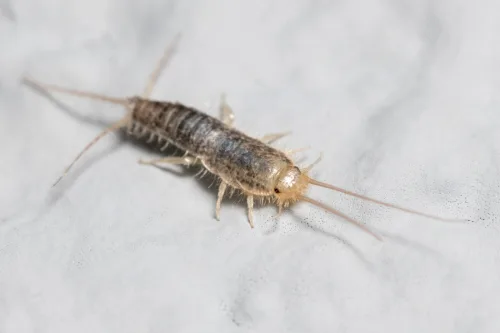
Silverfish Appear at Night and Vanish into Cracks Get Rid of Them with One Change Not a Spray
Silverfish thrive in dark, damp corners and often show up only at night. Long-term control comes from drying the space and removing hiding places, not just spraying chemicals.
Comments (0)
Be the first to comment.