Five Shrubs Autumn Pruning Will Ruin Even After Flowering
Autumn tidy-ups can be tempting, but cutting the wrong shrubs now can remove next year’s flower buds. Learn which popular ornamentals should be left alone until after flowering or spring.
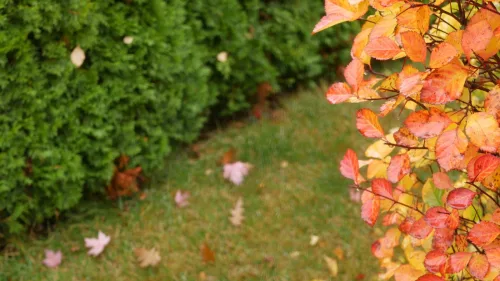
Instead of planting a wall of thuja for privacy, consider serviceberry: a hardy, low-maintenance shrub with spring blossom, summer berries and fiery autumn colour. It thrives in ordinary garden soil and works beautifully as a fruiting hedge.
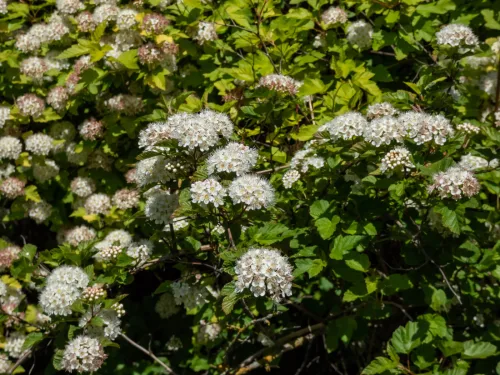
Thuja may be a long-standing classic, but today’s hedges are increasingly built from more varied shrubs that look better through the seasons. One standout choice is ninebark, prized for its toughness, colour and easy care.
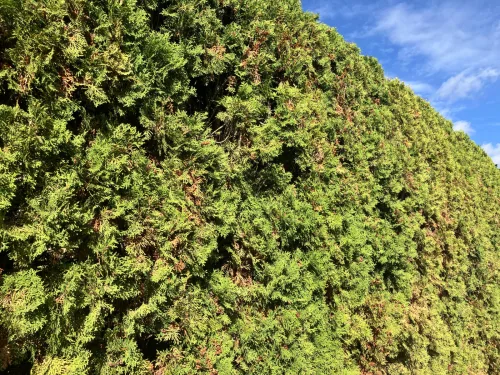
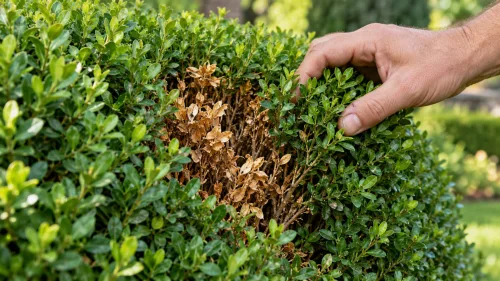
Dry leaves and twig dieback inside an older, dense hedge are often a normal result of shade and natural self-thinning. If the outside remains healthy and green, there’s usually no need for drastic pruning or treatments.
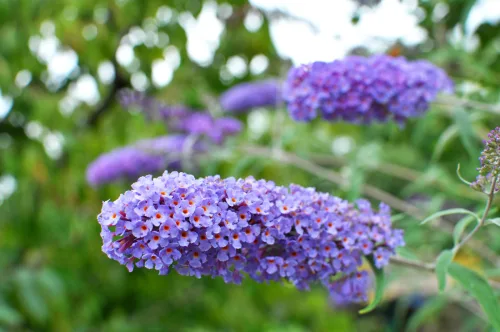
Butterfly bush (Buddleja davidii) benefits from a light autumn tidy-up, seedhead removal and a bit of root protection. These October steps help keep the shrub compact, limit self-seeding and improve its chances through winter.
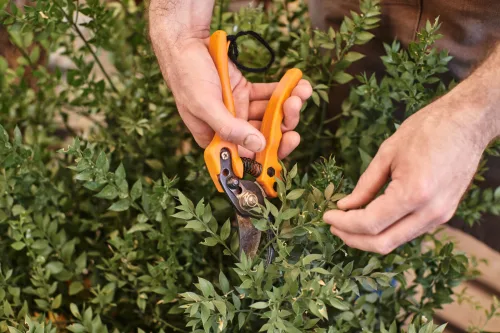
Early autumn can tempt you to tidy shrubs with the secateurs, but September pruning can trigger soft new growth, weaken plants for winter, and cost you next spring’s flowers. For many shrubs, waiting until after flowering or until spring is the safer choice.
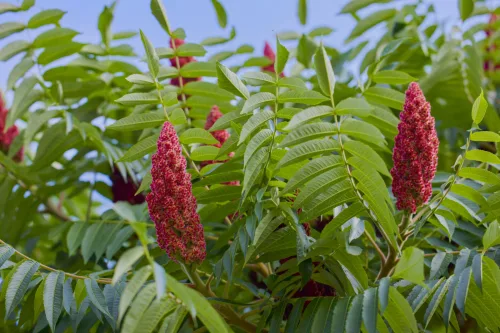
Sumac is a tough, drought-tolerant ornamental that delivers dramatic autumn colour with minimal fuss. Success depends mainly on a sunny, open position, free-draining soil, and planting at the correct depth.
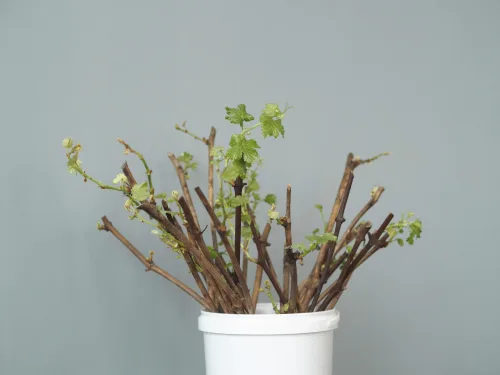
Propagating plants can be surprisingly easy when you keep cuttings consistently moist without letting them dry out. This simple plastic-bag method creates a humid microclimate that encourages fast rooting using everyday household items.
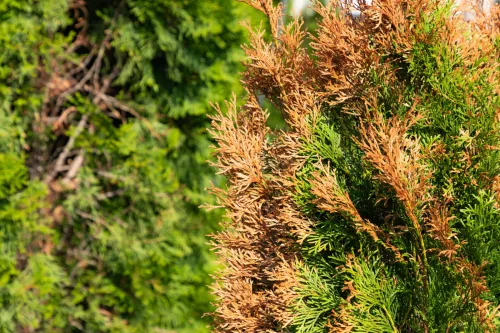
Thuja has long been a go-to choice for fast, tidy evergreen hedging, but many plantings are now thinning and turning brown. The culprit is usually a mix of drought stress, poor siting and winter desiccation rather than a single disease.
Early summer is a key moment for pruning, but timing matters. Learn what to cut back in June for healthier growth and better flowering, and what to leave alone to avoid losing blooms or disturbing nesting birds.
A neatly clipped boxwood ball brings structure and elegance to entrances, courtyards, and formal front gardens. With young plants and light, regular trimming, you can achieve a dense sphere without hard pruning.
Brown leaves on rhododendrons after winter are most often caused by frost damage or winter desiccation. If you suspect dog urine, act quickly by flushing the soil and protecting the shrub from repeat visits.
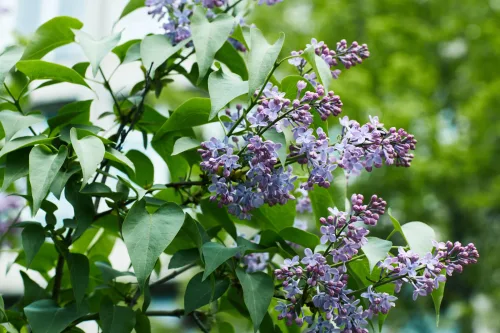
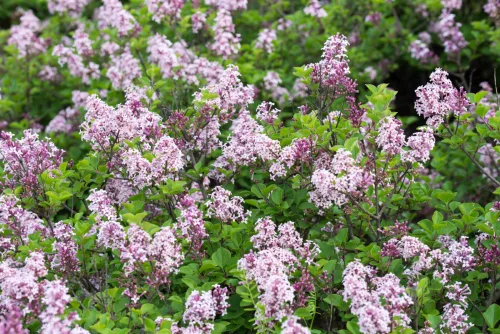
Lilacs are spring showstoppers with richly scented flower panicles and surprisingly low demands. Learn how to choose the right species and variety, where to plant it, and how a little pruning keeps it blooming well for years.