 English
  Polski
  Deutsch
  Nederlands
  Svenska
  Norsk
Norsk  Dansk
Dansk  Français
  Italiano
  Español
  Português
  Slovenčina
  Suomi
Suomi  Gaeilge
Autumn rose pruning step by step
Regular pruning helps roses build strong shoots, thicken up, and set more buds for next season. In autumn, the right cuts remove weak growth and keep the bush open for healthier, better flowers.
5 min read

Regular pruning helps roses build strong shoots, thicken up, and set more buds for next season. In autumn, the right cuts remove weak growth and keep the bush open for healthier, better flowers.
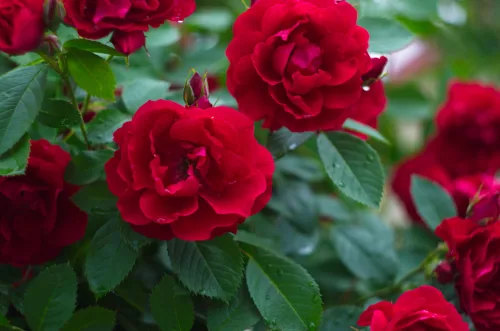
Roses can look great well into late autumn, but a well-timed autumn prune helps them go into winter in better shape and reduces disease. Done at the right moment, it also prevents long canes from being damaged by frost, wind, or snow.
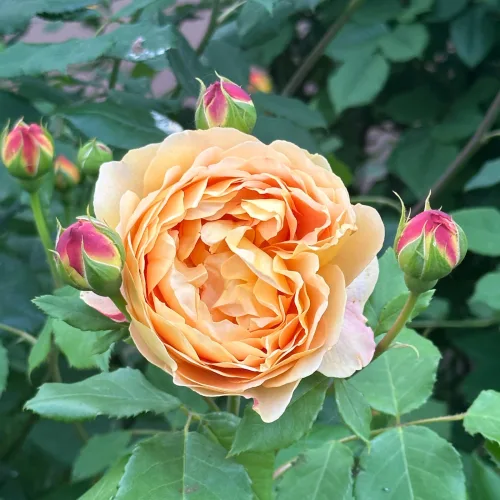
Heatwaves can quickly leave roses stressed, drooping and reluctant to bloom. With timely watering, deadheading and smart feeding, you can keep them healthy and flowering well into autumn.
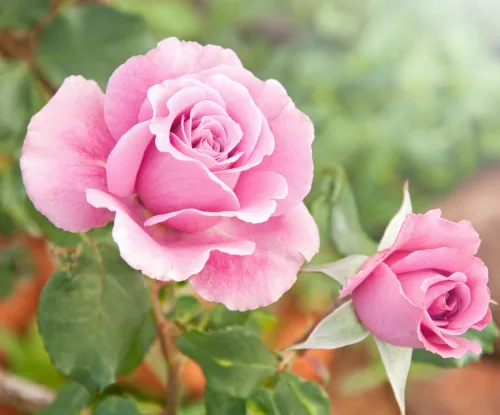
Summer heat and uneven watering can quickly leave roses looking tired and short on blooms. With deep watering, timed feeding, deadheading, and a simple baking soda drench after pruning, you can keep them vigorous and flowering longer.

Cut roses don’t have to end their life in a vase. With a few simple at-home rooting methods, you can try turning a bouquet into new rose plants for pots or the garden.
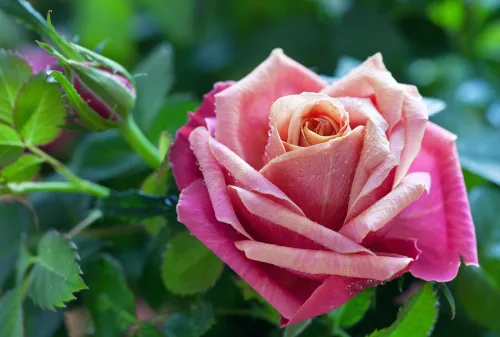
After the first flush, roses need a quick top-up to keep producing strong new shoots and buds. A simple wood-ash tea, paired with good watering and deadheading, can help extend flowering well into late summer.
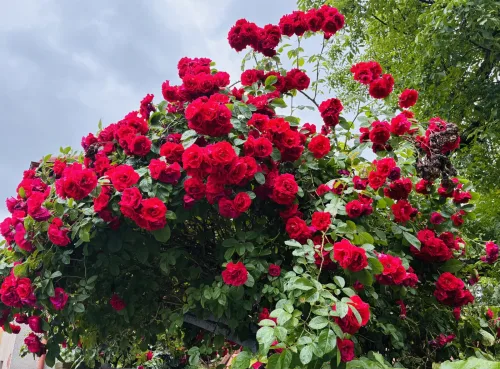
Roses can keep flowering for much of the season when you stay on top of a few fundamentals at the right time. These five practical steps improve repeat bloom, leaf health, and overall shrub strength.
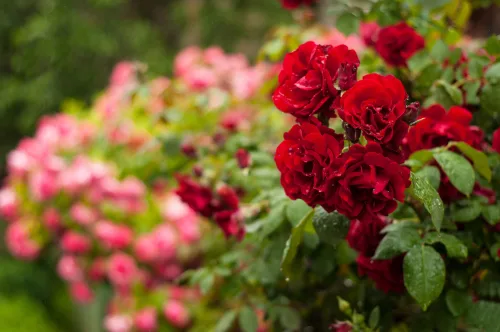
When the first flush fades, roses aren’t finished—they’re regrouping. With timely deadheading, a proper summer prune, and the right watering and feeding, you can trigger a strong second wave of flowers and keep bushes healthier.
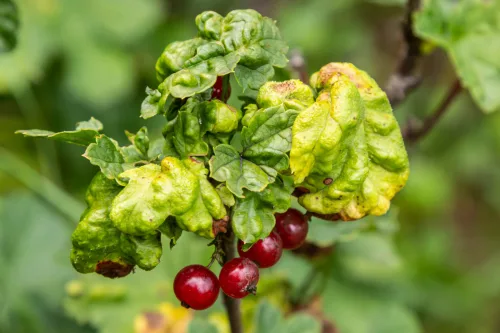
Many growers swear by a simple B-complex tablet solution as a quick, low-cost first aid for aphids on roses, currants, and balcony plants. Used early and repeated, it can help knock back infestations without reaching for stronger products right away.
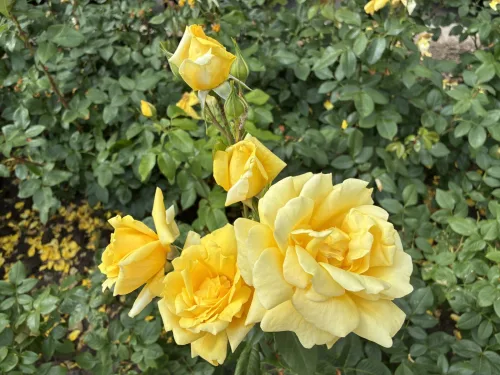
Roses are no harder to grow than other ornamental shrubs when you give them sun, free-draining soil, steady feeding and sensible watering. This beginner-friendly guide walks you through choosing plants, planting, pruning, and keeping roses healthy and flowering for years.

Looking for a reliable climbing rose around 3 m tall that smells wonderful, repeats well and stays attractive in both heat and wet weather? These proven cultivars come close to the ideal, combining resilience with long-lasting flower power.
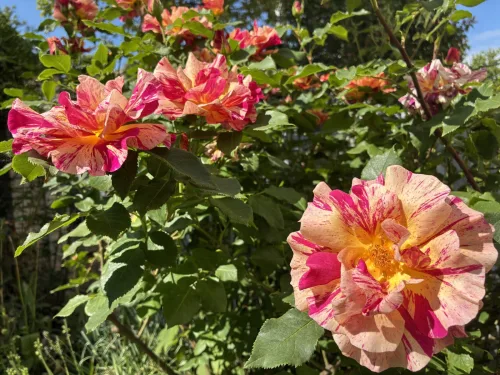
Roses are classic garden shrubs that thrive for years when planted correctly and given thoughtful early care. Learn how to choose plants, plant at the right depth, prune by group, and prevent common problems for strong, healthy flowering.
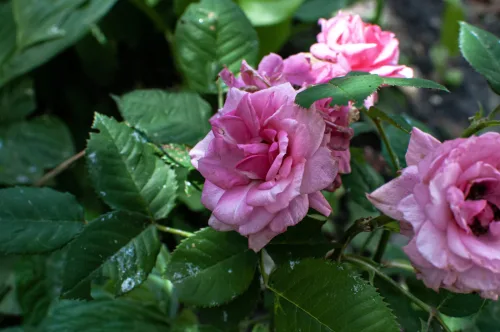
May is the key month to feed roses so they build strong shoots and set plenty of buds. With the right nutrients and timing, you’ll get repeat flowering and healthier plants all summer.