
 English
  Polski
  Deutsch
  Nederlands
  Svenska
  Norsk
Norsk  Dansk
Dansk  Français
  Italiano
  Español
  Português
  Slovenčina
  Suomi
Suomi  Gaeilge
 Roses can bloom almost non-stop all summer with a simple feed

Roses are among the most striking ornamental shrubs, but long, repeat flowering doesn’t happen by itself. After the first flush, they’ve used up a lot of energy and nutrients. If they don’t get the support they need at that point, new buds form more slowly, fresh growth can be weaker, and blooms may be smaller and less richly coloured. That’s why mid-summer is an ideal time to replenish minerals so the plant doesn’t slip into survival mode and keeps flowering right through to the end of the season.
A natural homemade booster from wood ash
You don’t have to reach for expensive commercial fertilisers. Experienced growers often use a simple natural remedy that many gardeners already have at home. Wood ash from clean, untreated wood supplies roses with potassium to support bud formation. It also contains calcium for stronger tissues, phosphorus for root development, plus magnesium and trace elements. With this combination, roses usually cope better with summer heat, set the next flush faster, and look more vigorous overall.
What ash does for roses during hot weeks
In dry weather and high temperatures, plants can quickly become stressed. An ash infusion can help balance nutrition at a time when roses are flowering heavily while also needing to keep leaves and new shoots healthy. The result is often deeper flower colour, better bud set, and sturdier growth that doesn’t tire so quickly.
How to make an ash tea for roses
It’s quick to prepare and doesn’t require any special equipment. In a bucket with about 10 litres of lukewarm water, add one cup of sifted wood ash and stir thoroughly. Leave the mixture to stand for roughly 12 to 24 hours so the minerals can dissolve into the water. Stir again before use and apply about 1 to 2 litres to each bush, depending on plant size and how moist the soil is.

An important rule before feeding
Before you use the tea, water the roses well with plain water first. Moist soil helps roots take up nutrients more evenly and also reduces the risk of irritation or shock, especially if the soil is dry and hot.
How often to use the tea so flowering doesn’t slow down
During the main season, feeding once every two to three weeks is usually enough, or after a heavier flush of bloom. It’s best applied in the morning or evening, when the sun isn’t fierce and the water won’t evaporate as quickly. With consistent use, roses can transition more easily from one flush to the next and keep forming buds without a pause.
Deadheading as the key to more buds
A common mistake is leaving spent blooms on the plant. The rose then starts putting energy into seed production instead of making new flowers. Regularly cutting off faded blooms encourages fresh bud growth. At the same time, it helps to remove dry twigs and any damaged or diseased shoots so the bush stays more open to airflow and less prone to problems.
Other habits that will extend rose flowering
Alongside feeding, watering technique matters. In hot weather it’s more effective to give roses a thorough soak at the root zone every few days than frequent light sprinkling, which promotes shallow roots and is quickly lost to evaporation. Mulch made from bark, compost, or grass clippings can also help retain moisture, suppress weeds, and reduce soil overheating.
In the second half of summer, it’s sensible not to overdo nitrogen. High-nitrogen fertilisers may drive leafy growth, but they can reduce flowering and produce softer shoots that are more prone to disease. Keep an eye on plant health too: remove infected leaves promptly and watch for aphids or powdery mildew so the plant isn’t unnecessarily weakened.
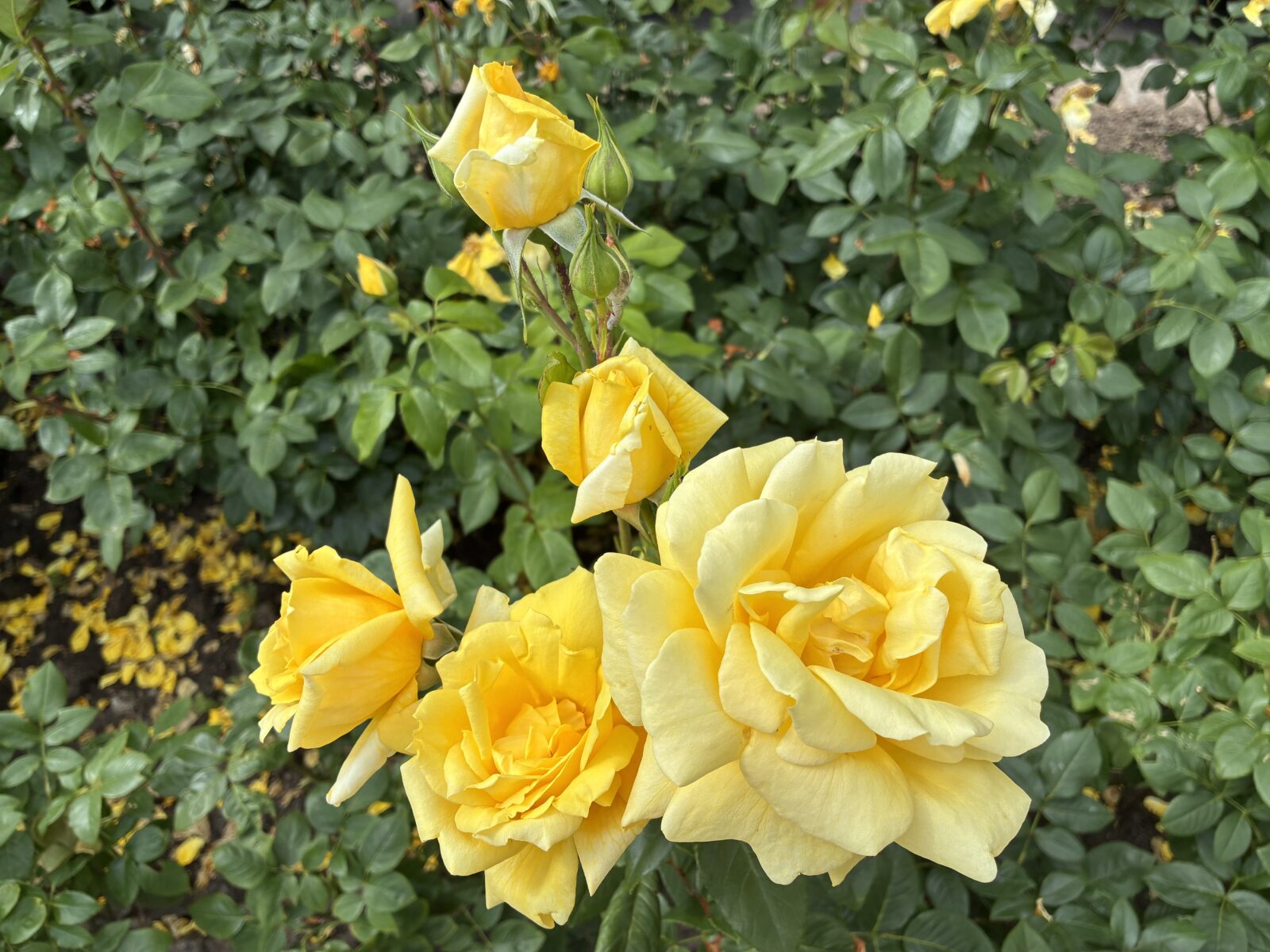
When it’s better to avoid wood ash
Wood ash raises pH, so it isn’t suitable for soils that are already alkaline. It’s also not a good idea to use it in heavy doses, because too many minerals can harm plants. Always use ash only from clean wood, free from varnishes, paints, glues, or other chemical treatments.
A simple way to abundant blooms right to the end of summer
When you combine ash tea, sensible watering, and regular deadheading, you get an effective yet simple care routine. Spend just a few minutes on your roses every couple of weeks and you can be rewarded with new waves of buds, richer blooms, and borders that look fresh all summer long.
Source: To je nápad, Gardenia, The Spruce, Pestrazahrada.cz

A lover of nature, gardens, and everything that moves, blooms, or grows. He literally grows everything, from herbs to rare species, and he enjoys caring for animals just as much. In his work, he connects modern technology with tried-and-tested grandmotherly methods and is happy when both paths lead to the same goal.
Related articles

The More Often You Harvest, the Longer Plants Keep Cropping
With fruiting vegetables, frequent picking keeps plants flowering and producing for longer. A few crops, such as aubergines, are tastiest when harvested slightly earlier rather than fully mature.

Wasps Aren’t Just a Barbecue Menace They Can Ruin Your Garden Woodwork Too
Weathering isn’t always the main culprit behind damaged outdoor timber. Wasps can scrape fibres from boards and beams surprisingly fast, leaving grooves that soak up water and accelerate decay.
Why hydrangeas wilt in summer even when watered and how to save them fast
Hydrangeas can look limp in hot weather even if you’ve been watering faithfully. The key is to check what’s happening in the root zone, then adjust watering, shade and mulching so the plant can actually use the moisture available.
Comments (0)
Be the first to comment.