
 English
  Polski
  Deutsch
  Nederlands
  Svenska
  Norsk
Norsk  Dansk
Dansk  Français
  Italiano
  Español
  Português
  Slovenčina
  Suomi
Suomi  Gaeilge
 How to Feed Roses Properly in May for a Summer Full of Blooms

Roses are among the most striking plants in the garden, but without targeted feeding they often bloom for only a short time or form fewer buds. May is exactly when vigorous growth kicks in: the plant pushes new shoots, thickens its foliage and begins setting buds. If it gets the right nutrients at this stage, it will reward you with long-lasting, repeat flowering throughout the season. On the other hand, overfeeding or feeding at the wrong time can weaken roses, overload the roots and increase susceptibility to disease.
Which nutrients roses need most
In May, gardeners most often focus on the three core nutrients. Phosphorus helps with bud formation and supports abundant flowering. Potassium strengthens resistance to disease and weather swings, and it also helps blooms last longer. Nitrogen is important for building green growth, meaning leaves and sturdy stems that can then support more flowers.
The key is not to overdo the dose. Fertiliser that’s too concentrated can damage the roots, and the plant will flag rather than gain strength. It’s safer to feed a little more often and gently than to apply one aggressive, heavy dose.
Mineral fertilisers and the right timing
When buds begin to appear, mineral blends that emphasise phosphorus and potassium usually work well. Apply to slightly moist soil so the nutrients dissolve evenly and don’t scorch the root system. Many growers choose the evening, when the soil is no longer overheated and the plant isn’t stressed by the midday sun.
Nitrogen fertilisers make the most sense early in the season, when roses are surging and producing new shoots. Once roses shift into heavy bud and flower production, it’s better to ease back on nitrogen and support flowering and tissue ripening instead.
Calcium and potassium as May insurance
More experienced gardeners also help roses in May with a dose of calcium nitrate. Calcium supports healthy growth and helps keep the plant in good condition so it doesn’t exhaust itself unnecessarily. Toward the end of the month, potassium sulphate is often used, strengthening the roses’ natural defences and helping blooms last longer.
Natural fertilisers that roses genuinely benefit from
If you prefer a gentler approach, roses respond very well to well-rotted compost or aged farmyard manure. The crucial rule is not to use fresh manure, as it can burn roots and cause an unwanted imbalance in the soil. Compost is usually worked lightly into the surface after spring pruning or when the buds start to swell. For one bush, around 300 grams is often enough, though it depends on the plant’s size and your soil quality.
Homemade manure tea
A popular option is a manure tea made from farmyard manure and water at a 1:10 ratio. Leave the mixture to stand for about ten days in a warm place so nutrients release into the solution. Then use it as a root drench. It’s a simple natural feed that supplies roses with a broader range of nutrients and often shows up as a higher number of buds.
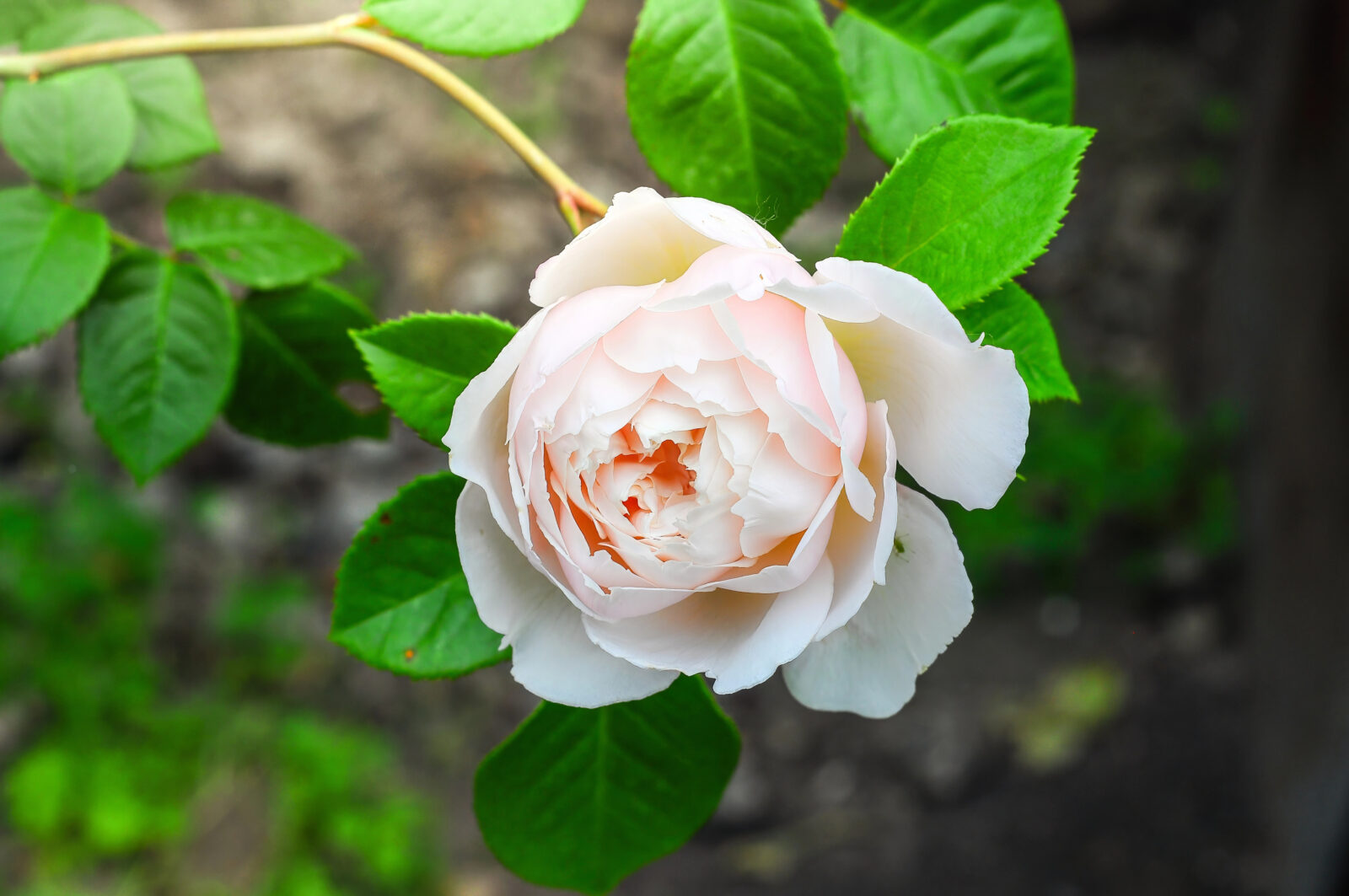
Wood ash and other simple feeding tricks
Wood ash can also be a powerful ally, as it’s a natural source of potassium and phosphorus. In dry weather, you can scatter roughly 200 to 250 grams of ash around the bushes and lightly work it into the top layer of soil. You can also make an ash steep by mixing ash with water at a 1:2 ratio and letting it infuse for a few days, then using the solution as a root drench.
Small tricks include used tea bags, which break down gradually and release a small amount of nitrogen, while also helping improve soil structure. Eggshells add calcium and trace elements, and banana peels contain potassium and support root vitality.
How to use organic scraps safely
Organic leftovers from the garden or kitchen can be buried under bushes over time, where they gradually turn into a natural nutrient source and contribute to better soil structure. The important thing is not to add too much at once, and to prioritise material that breaks down without odour and without attracting pests. If you give roses balanced nutrition in May, they’ll pay you back with plenty of large, healthy, strongly scented blooms all summer.
The most effective approach is a combination of correct timing, a moderate dose and choosing nutrients to match the growth stage, because in May roses lay the foundation for the entire summer flowering display.
Source: The Spruce, To je nápad, RHS, Pestrazahrada.cz

A lover of nature, gardens, and everything that moves, blooms, or grows. He literally grows everything, from herbs to rare species, and he enjoys caring for animals just as much. In his work, he connects modern technology with tried-and-tested grandmotherly methods and is happy when both paths lead to the same goal.
Related articles
A Simple Autumn Trick Will Protect Your Hibiscus Over Winter and Bring a Flush of Flowers
A thick mulch layer in autumn can be the deciding factor in whether hardy hibiscus comes through winter unscathed. Combine root protection with smarter watering and feeding, and you’ll be rewarded with stronger growth and heavier flowering next season.
Be careful with hydrangeas in autumn or one mistake will cost you blooms
Tidying up hydrangeas in autumn can be tempting, but cutting at the wrong time can remove next year’s flower buds. Everything depends on whether your hydrangea blooms on old wood or new wood.

Raspberries Need Gentle Feeding or You Can Damage Roots and Lose Up to a Third of the Crop
Raspberries have very shallow roots and don’t respond well to heavy, nitrogen-rich feeding worked into the soil. Choose a potassium-forward fertiliser and apply it gently on the surface to protect roots and improve flavour and yield.
Comments (0)
Be the first to comment.