
 English
  Polski
  Deutsch
  Nederlands
  Svenska
  Norsk
Norsk  Dansk
Dansk  Français
  Italiano
  Español
  Português
  Slovenčina
  Suomi
Suomi  Gaeilge
 Rose Experts Explain How to Save Your Plants From Heat
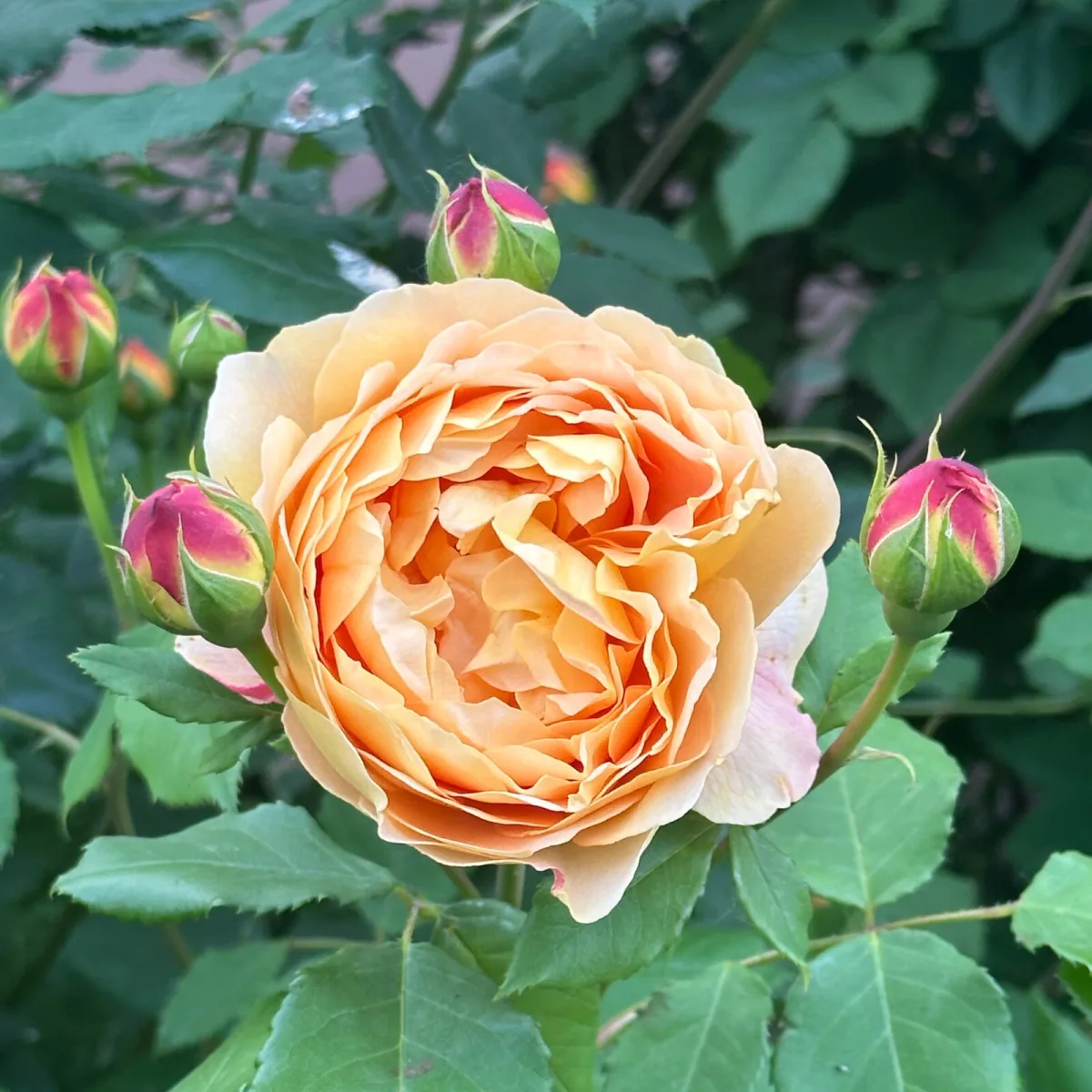
Even if temperatures drop for a while, another heatwave can arrive quickly, and the garden then needs much more intensive care. Roses easily dry out and wilt on days like this, and instead of a generous display they look tired. The good news is that a few well-timed steps can give plants a real boost and often quite literally save them.
Proven advice is also shared by the respected growers at Peter Beales Roses, winners of a gold medal at the RHS Chelsea Flower Show. With roses in particular, they recommend switching to an increased-care routine during hot weather so the plants can keep flowering, or at least setting buds, right through to autumn.
The most important step is water, and at the right time
According to the experts, there is one essential for roses during periods of heat: make sure they have enough moisture. Focus especially on bushes exposed to full-day sun, as they are under greater stress and the soil around them dries out faster. The same, often even greater, attention should be given to roses in pots, where the compost heats up and dries out significantly sooner than in a border.
In hot weather, regular watering is crucial for roses, especially for plants in direct sun and in containers.
The aim isn’t a one-off splash, but keeping moisture even so roots don’t swing between drought and waterlogging. When roses suffer prolonged dryness, flowering weakens and the plant struggles to recover.
Removing spent blooms helps trigger a new flush

Another important practice is regularly snipping off faded flowers. It makes the shrub look tidier, but above all it stops the plant’s energy being diverted into seed production. With repeat-flowering roses, this can encourage a faster return of the next flush of blooms. With varieties that flower only once a season, you can leave the spent heads in place, as they may form decorative hips that also add value in autumn.
Feeding in August, and why watering after application matters
Once the main flowering period has passed, August is a good time to top up with a slow-release fertiliser. This supports the plant’s recovery after the heat and gives it a better chance of producing more flowers in the next phase of the season. On hot days, it’s important to water in granular fertiliser after application so the nutrients dissolve properly and move into the soil to the roots.
If roses are flowering again or already carrying buds, you can also support them with a liquid feed. This helps maintain the shrub’s vigour, encourage healthy growth and extend the blooming period. Combined with sensible watering and regular deadheading, you’ll have a simple plan that helps roses cope even through a demanding summer.
Source: The Spruce, Záhrada, Pestrazahrada.cz

A lover of nature, gardens, and everything that moves, blooms, or grows. He literally grows everything, from herbs to rare species, and he enjoys caring for animals just as much. In his work, he connects modern technology with tried-and-tested grandmotherly methods and is happy when both paths lead to the same goal.
Related articles
The More Often You Harvest, the Longer Plants Keep Cropping
With fruiting vegetables, frequent picking keeps plants flowering and producing for longer. A few crops, such as aubergines, are tastiest when harvested slightly earlier rather than fully mature.
Wasps Aren’t Just a Barbecue Menace They Can Ruin Your Garden Woodwork Too
Weathering isn’t always the main culprit behind damaged outdoor timber. Wasps can scrape fibres from boards and beams surprisingly fast, leaving grooves that soak up water and accelerate decay.
Why hydrangeas wilt in summer even when watered and how to save them fast
Hydrangeas can look limp in hot weather even if you’ve been watering faithfully. The key is to check what’s happening in the root zone, then adjust watering, shade and mulching so the plant can actually use the moisture available.
Comments (0)
Be the first to comment.