
 English
  Polski
  Deutsch
  Nederlands
  Svenska
  Norsk
Norsk  Dansk
Dansk  Français
  Italiano
  Español
  Português
  Slovenčina
  Suomi
Suomi  Gaeilge
 Autumn rose pruning step by step
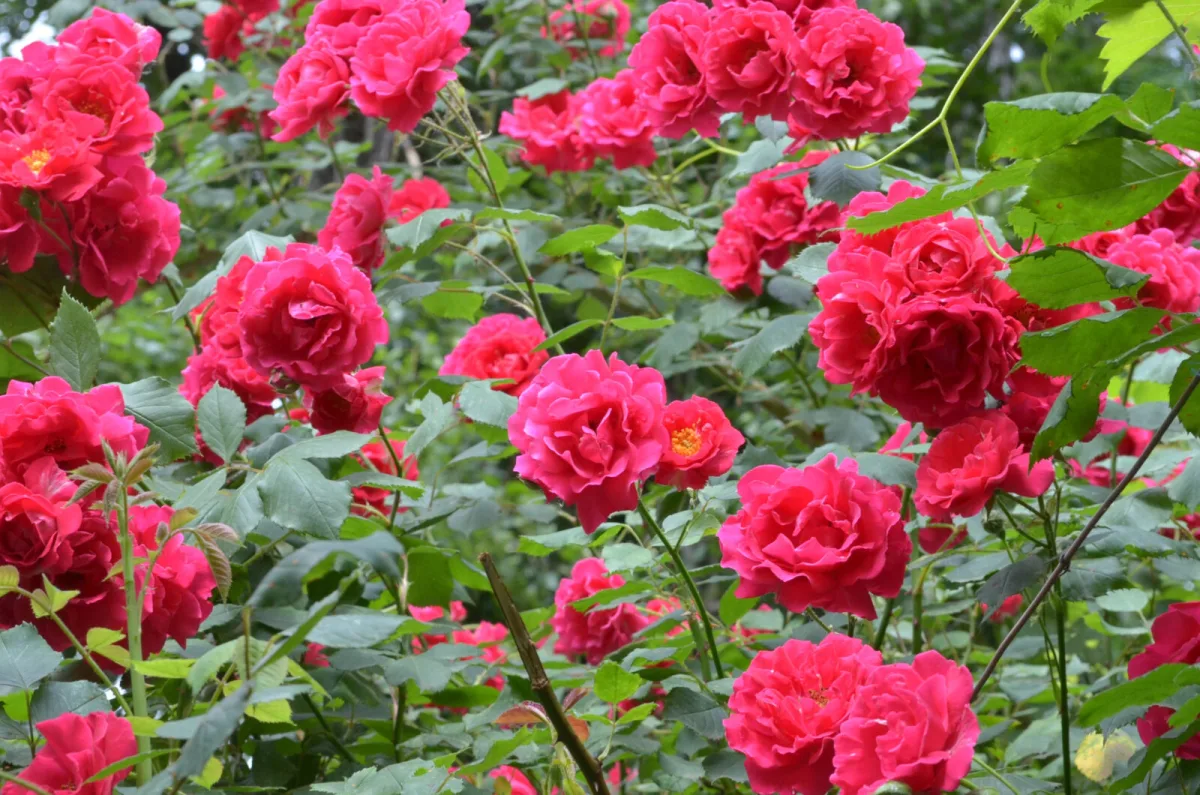
Regular rose pruning is one of the main reasons a bush thickens up well, produces strong shoots, and sets more buds in the next season. At the end of the season, tidying the plant removes weak, dry, or poorly placed branches that only drain the rose’s energy. The right approach also helps maintain shape and redirects vigour into the parts most likely to produce large, healthy blooms.
Basic pruning rules that make the biggest difference
Roses can be pruned throughout the year, but as the season ends it pays to be precise. Make each cut on a slant about 5 mm above a bud, so water doesn’t run directly onto the bud and the cut surface dries more quickly. If you want the bush to widen, shorten shoots to outward-facing buds. If you need a taller, more upright shape, choose inward-facing buds and prune so new growth is directed more upwards.
Pruning by the age of the bush and the type of wood
With roses, it’s important to adjust your pruning to the plant’s age. First-year roses are usually shortened by about half to help them strengthen and establish a solid framework. In the second year, two or three new, strong shoots often appear from the base on the main stems. These shoots shouldn’t be cut right down to the ground, as they form the structure of the bush.
On one-year side shoots, it’s worth cutting back to well-positioned top buds, most often just below where spent flowers were. Two-year side shoots are cut lower, typically leaving two or three buds near the base. On older, long-established roses, it’s a good idea at the end of the season to remove short dry stubs and dead remnants from previous pruning that no longer have any future.
How to encourage large blooms and healthy airflow
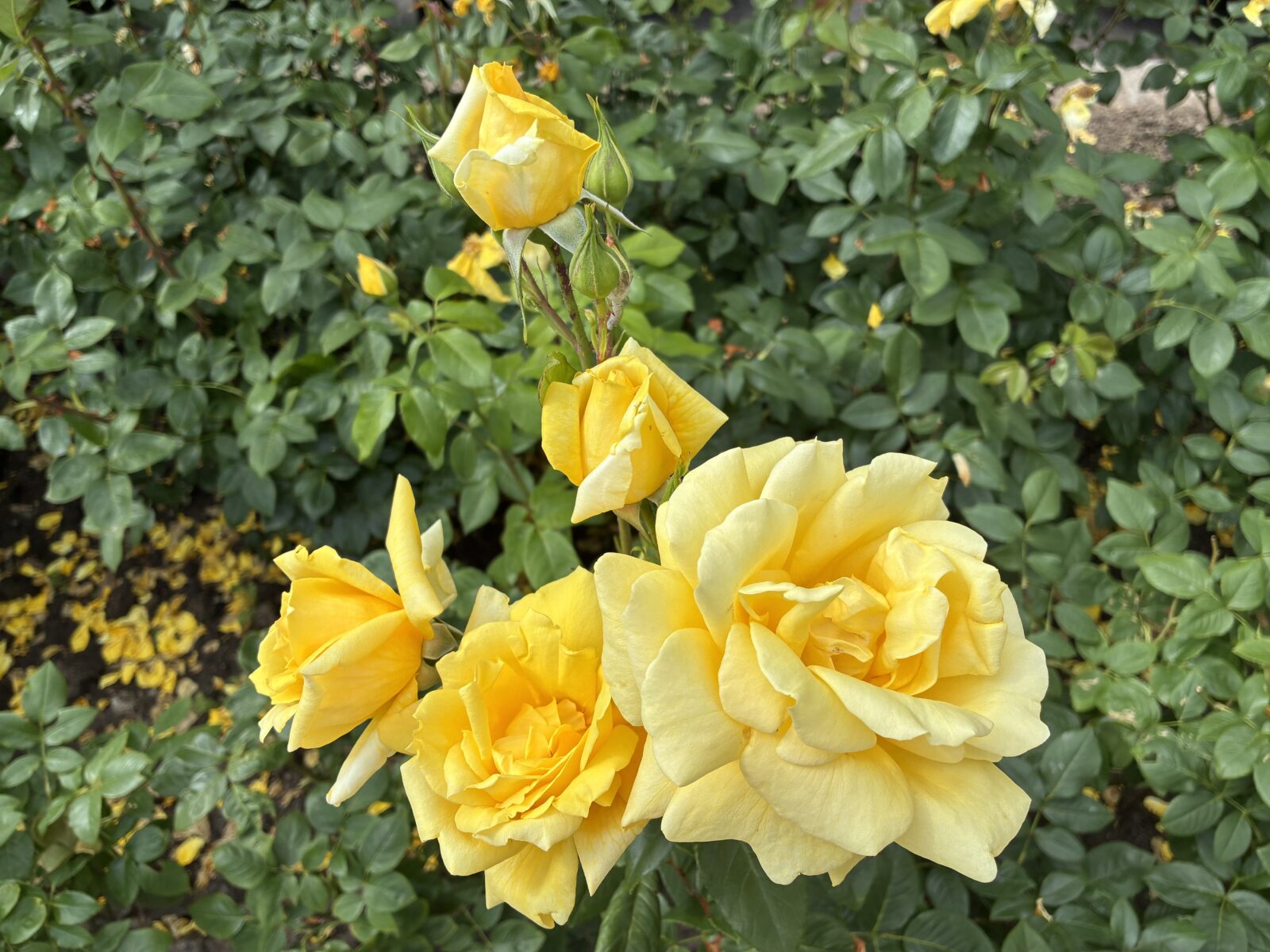
For flower quality, it’s essential that the centre of the bush doesn’t become overcrowded. Side shoots of any thickness that head into the middle are a common cause of congestion, poor ventilation, and then disease. If you want truly good-looking flowers, cut out these branches so the crown stays more open and light can reach the inner parts of the bush.
Pruning hybrid tea roses for a compact shape and large blooms
With hybrid tea roses, the aim is often a compact, balanced shape that resembles a ball. Buds and sections of shoots produced on last year’s wood are shortened so the bush doesn’t become leggy and carries blooms on strong stems. On young bushes, it’s best to leave around two to four buds, at roughly 15 cm above the ground.
On older bushes, more buds are usually left, most often four to six, at roughly 20 cm above the ground. On side branches, leave two to four buds, and remove any growth heading inward so the bush stays airy and evenly sunlit.
Pruning roses that flower freely on many shoots
For roses that tend to produce lots of flowering shoots, the goal is to prevent the bush turning into a dense mass of thin, weak twigs. One-year shoots are therefore usually only shortened slightly, by about a third of their length, while older parts can be cut back more depending on the strength and spacing of the branches.
On older wood, side shoots are often left with three to five buds. On younger side shoots, two to three buds are usually enough, so the plant channels energy into stronger parts. During the growing period, it also helps to keep trimming back fast-growing shoots at intervals of about 10 to 12 days, so the bush doesn’t race into unwanted shapes.
Shrub roses in autumn: sometimes less is more
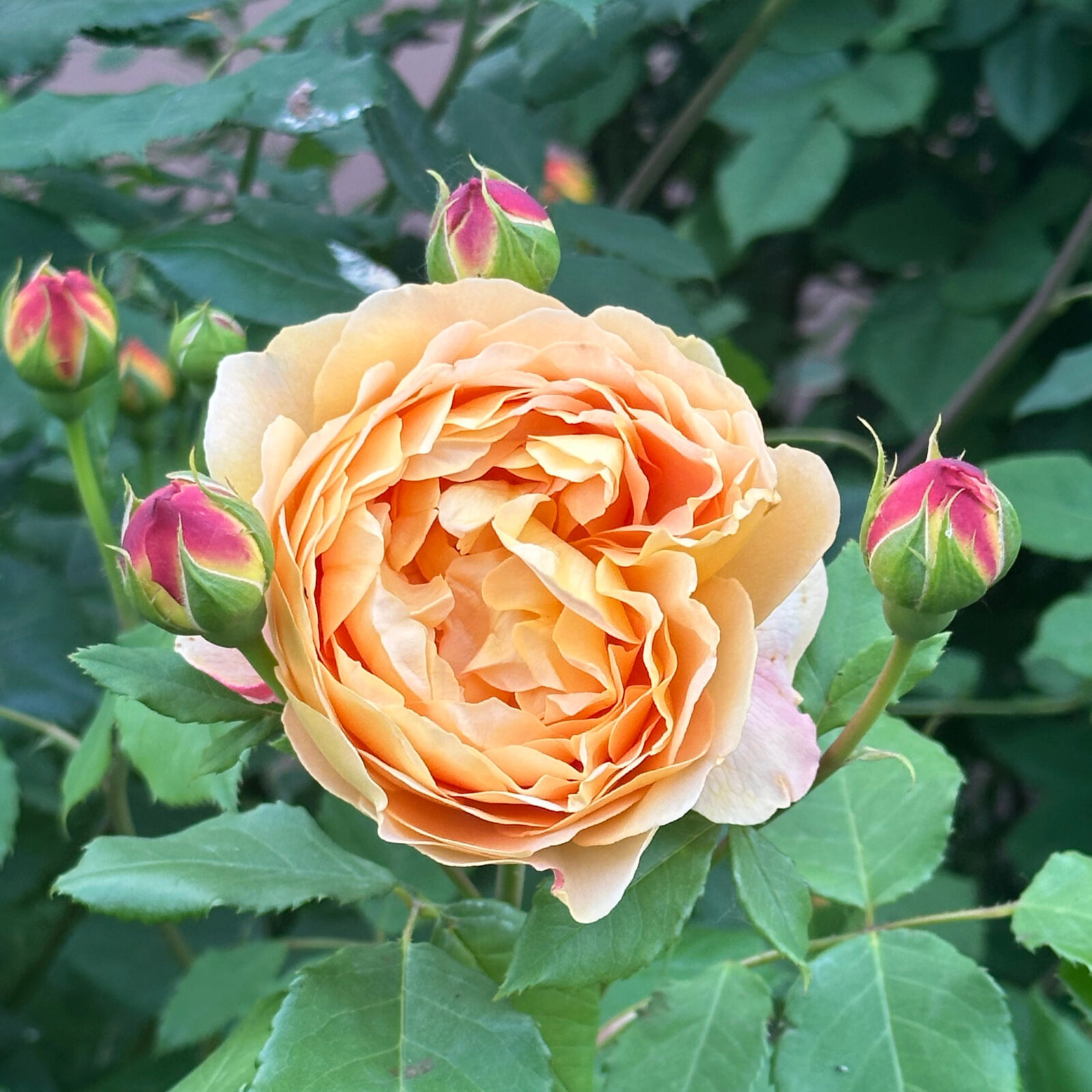
Shrub roses are not usually pruned hard in autumn. Often it’s enough to lightly shape them, remove dead and diseased parts, and leave the main pruning for a more suitable time. Before winter, after tying the stems together, they can be gently bent towards the ground and covered with, for example, evergreen boughs to reduce damage from frost and drying winds.
The most common mistakes to avoid when pruning
Typical mistakes include making a straight cut directly above a bud, leaving long stubs without buds, and letting the centre of the bush become overcrowded. For good flowering, remember that each rose responds according to its strength and age, so pruning should be decisive but not mindlessly drastic. If you stick to angled cuts above a bud, choose correctly oriented buds, and regularly remove inward-growing shoots, you’ll carry a vigorous bush into the next season with a noticeably better set of flowers.
Source: The Spruce, Gardening Know How, RHS
Source: Pestrazahrada.cz

A lover of nature, gardens, and everything that moves, blooms, or grows. He literally grows everything, from herbs to rare species, and he enjoys caring for animals just as much. In his work, he connects modern technology with tried-and-tested grandmotherly methods and is happy when both paths lead to the same goal.
Related articles
Next year you can harvest better if you don’t sow carrots where they won’t thrive
Carrot root fly can ruin carrots, parsley and celery from the inside out, often without obvious warning until harvest. Better site choice, rotation, later sowing and simple physical barriers can dramatically cut damage next season.
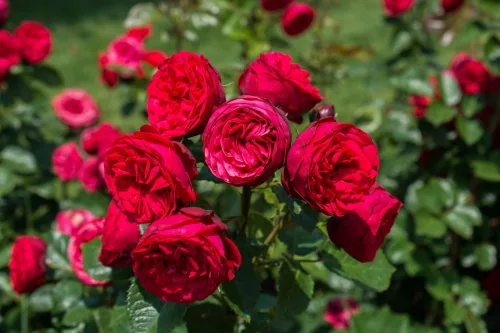
How to Propagate Roses from Cuttings at Home and Fill Your Garden with Blooms Almost for Free
Want more roses without paying for new plants? With a few healthy cuttings and a simple plastic-bottle mini greenhouse, you can root new bushes at home in just a few weeks.
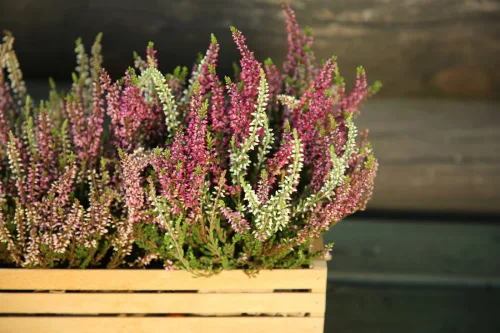
Heathers can cope where other plants won’t, but one soil detail decides everything
Heathers and heaths are tough evergreen shrubs that can flower across the seasons when you choose the right types. Success hinges on matching the plant to your soil pH and ensuring free drainage.
Comments (0)
Be the first to comment.