
 English
  Polski
  Deutsch
  Nederlands
  Svenska
  Norsk
Norsk  Dansk
Dansk  Français
  Italiano
  Español
  Português
  Slovenčina
  Suomi
Suomi  Gaeilge
 Roses in the Garden from Planting to Pruning to Healthy Blooming
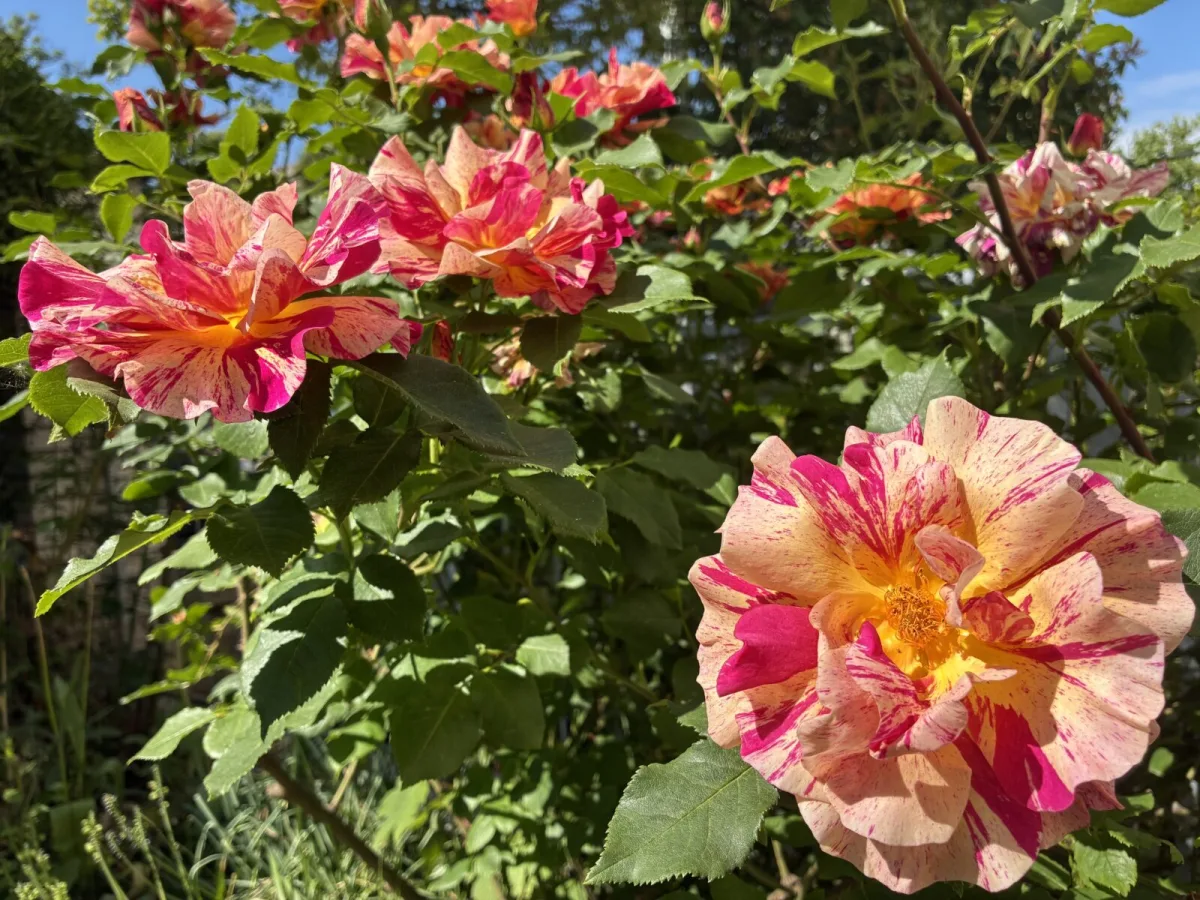
Roses are among the longest-cultivated ornamental shrubs, and they hold a special place in gardens thanks to their fragrance, flower form, and wide range of colours. Although they’re often seen as demanding, a few basic principles are enough to help them establish quickly and thrive in the same spot for many years. The foundation of success is good soil preparation, the right planting depth, plenty of sun, and well-planned aftercare during the first two seasons.
Which type of roses to buy
In practice you’ll come across three ways roses are sold. Bare-root roses are offered mainly from late autumn to early spring, often via mail order. They tend to be high quality, usually have a more substantial root system, and are generally better value. The key is to plant them as soon as possible after delivery; if the weather doesn’t allow it, protect the roots from drying out and temporarily heel them in or hold them in a slightly moist growing medium.
“Potted” roses can be bare-root plants that have been quickly placed into a pot to prevent them from drying out. They’re usually in the best condition in the cooler part of the year, when they don’t suffer from overheating and drying on the sales benches. Both these and true container-grown roses can be planted throughout the year as long as the ground isn’t frozen or extremely dry. Roses grown long-term in containers offer the most flexible timing, but they’re often more expensive and don’t always develop such naturally well-spread roots as bare-root plants.
When to plant roses and which conditions to avoid
The ideal planting time is spring or autumn, when temperatures are mild and the soil is easy to work. Bare-root roses are planted from leaf fall until just before bud break, roughly from late autumn to early spring. Avoid planting into frozen ground, and also avoid days when the soil is waterlogged and sticky. In summer you can plant container roses, but only if you can provide regular, thorough watering without drought stress.
Where to position roses for vigour and fewer diseases
Most roses need full sun, ideally at least six hours of direct light a day. Morning sun is especially beneficial because it dries leaves quickly and reduces pressure from fungal diseases. Air circulation matters just as much: planting too closely or positioning plants right up against an impermeable wall raises humidity in the canopy and increases the risk of black spot and powdery mildew.
The soil should be free-draining, but not prone to drying out. Roses cope poorly with permanently waterlogged sites, where roots can rot and the shrub declines. Heavy soils are improved by adding organic matter over time; in very sandy soils, organic matter helps the soil hold onto water and nutrients.

Planting, step by step
Prepare the site in advance. Work well-rotted organic matter into the top layer of soil to a depth of about 20 to 30 cm, for example garden compost or well-aged manure. This creates an environment where roots spread into the surrounding soil more quickly. You can then add a general-purpose fertiliser, but if you use mycorrhizal products, limit fertilisers high in phosphorus, as they can suppress mycorrhiza.
The planting hole should be about twice as wide as the root system and roughly as deep as a spade blade. With bare-root roses, it’s practical to soak the roots in water for a few hours before planting so they’re properly hydrated. With roses from a pot, gently tease out circling roots; otherwise they can stay “locked” in their original shape for a long time, and the plant will cope less well with summer drought.
Set the rose in the centre of the hole and pay close attention to the graft union. In garden practice it’s often recommended to keep the join between the variety and rootstock at ground level, not unnecessarily deep, to reduce the risk of dieback. Then carefully backfill with the excavated soil mixed with organic matter, firm lightly to remove air pockets, and water thoroughly. Adjust spacing to the rose type and its eventual size; giving plants room pays back in better flowering and fewer disease issues.
Pay special attention when you’re replacing an old rose with a new one in the same spot. Roses can suffer from so-called replant disease, so it’s sensible to replace the soil in the hole to at least about 45 cm deep and wide, using soil from another part of the garden or a quality planting mix enriched with compost.
Aftercare that makes the difference
In the first two years after planting, watering is crucial. Water thoroughly at the base, not over the leaves, and during dry spells water less often but deeply. Mulch helps conserve moisture and keeps soil temperature steadier; ideal materials include mature compost or well-rotted manure, or wood chips. Don’t pile mulch directly against the stems, as this increases the risk of rot and bark damage.
Each spring, roses benefit from feeding. If growth weakens in summer, a light mid-season feed can help, but stop feeding in good time so soft new shoots have a chance to ripen before winter. Regular deadheading encourages more buds on repeat-flowering varieties; however, towards the end of the season it’s best to stop so the plant can naturally wind down into dormancy.
Pruning roses by group and a simple rule for health
The first more significant prune is usually done in the first winter after planting, most often in late winter or early spring. With all roses, start by removing dead, damaged, and weak shoots. Large-flowered hybrid teas are pruned fairly hard to push strong new growth. Floribundas are reduced to a moderate height. Climbing and rambling roses are shaped and tied in, and overly hard pruning can disrupt the desired habit in some types. Shrub and species roses are often pruned only lightly, mainly thinned to open the centre, because their natural form is part of their charm.
A healthy rose starts with air and light: plenty of sun, sensible spacing, and watering at the roots are often more effective than any “miracle” spray.
Most common problems and how to prevent them
Roses may establish poorly if they were planted into infertile or compacted soil, without follow-up watering, or into a spot where roses have been grown repeatedly without changing the soil. The most common diseases are black spot, powdery mildew, rust, and shoot dieback. Prevention helps: clear up infected leaves, thin the shrub to improve airflow, avoid wetting foliage when watering, and choose more disease-resistant varieties.
Among pests, aphids and other sap-sucking insects are common, deforming young shoots and buds. Early checks, encouraging beneficial insects, and gentle interventions are usually enough. If you want roses that are reliably easy, choose modern landscape and garden roses with improved resistance; they flower for a long season and forgive small mistakes in care.

Roses for beginners too and pleasure for many years
If you’re just starting out, shrub roses are often the most rewarding choice: they form compact bushes, often flower repeatedly, and tend to be healthier overall. Climbing roses look spectacular on pergolas and trellises, but they do require training and more patience. Hybrid teas offer those classic long stems for the vase, but they usually need more careful pruning and disease prevention. Whatever type you choose, a rose planted well, in the right place, will repay you each season more generously than its reputation suggests.
Tip for cutting for a vase: cut flowers in the morning when the stems are well hydrated, and choose buds that are just starting to open. Clean, sharp secateurs and placing stems straight into water will extend vase life and also encourage more flowering on the bush.
Source: Almanac, Rhs , Pestrazahrada.cz
Related articles
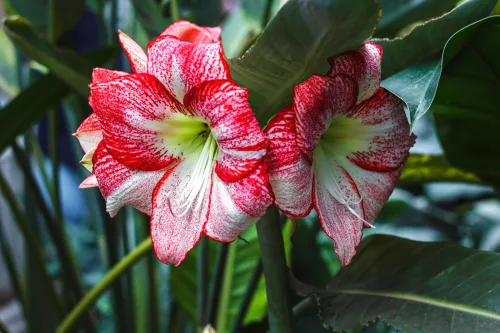
The Christmas Amaryllis That Can Bloom for Years but Most People Throw It Away After Flowering
Hippeastrum is a spectacular winter-blooming bulb that, with the right care, will flower again year after year. Learn how to plant it correctly, look after it after flowering, and bring it into dormancy so it reliably reblooms.
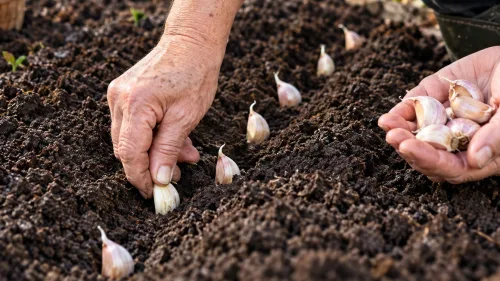
How to Grow Winter Garlic for a Much Bigger Harvest
Autumn planting is the key to strong, healthy winter garlic, but the details make all the difference. With the right timing, bed choice, seed-clove treatment and a simple bicarbonate trick, you can noticeably boost yield.

A tree or shrub planted properly in autumn can outpace spring stock and improve fruiting
Many fruit trees and soft-fruit shrubs establish better when planted in autumn, because roots keep growing while the top is dormant. Done well, this head start means stronger spring growth, less watering, and a healthier first year.
Comments (0)
Be the first to comment.