Why Your Hibiscus Barely Blooms and How to Get Huge Flowers
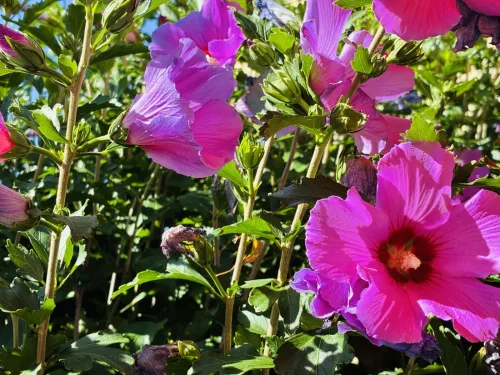
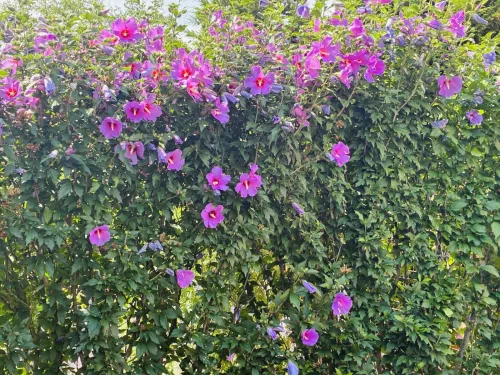
Hardy hibiscus can produce dinner-plate blooms, but only when light, moisture and soil are right. Learn how to plant, feed and care for it so it flowers longer and bigger.
Oleander can thrive on a terrace or balcony even in cooler climates if you grow it in a container and overwinter it correctly. Give it sun, free-draining compost, sensible watering and a cool, bright frost-free winter rest for weeks of summer flowers.
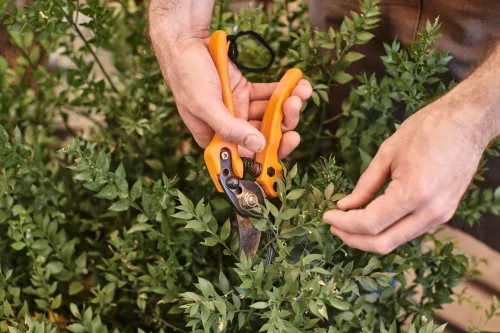
Early summer is a key moment for pruning, but timing matters. Learn what to cut back in June for healthier growth and better flowering, and what to leave alone to avoid losing blooms or disturbing nesting birds.
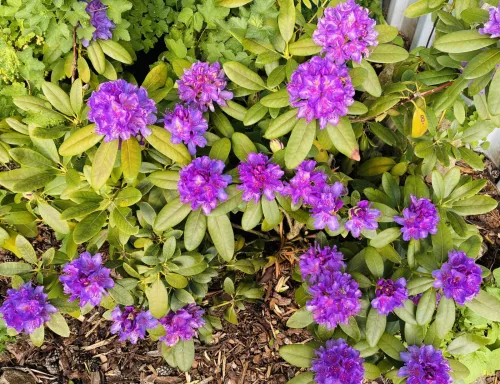
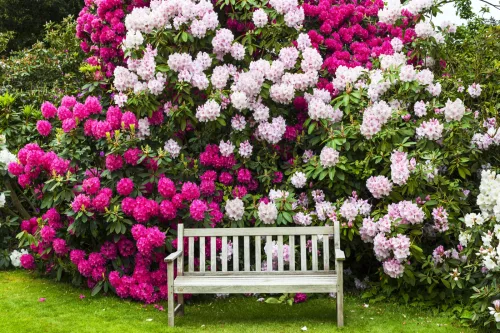
Rhododendrons will only flower well when their key needs are met: acidic soil, steady moisture, and the right light. Here’s what most often stops them blooming and what you can fix immediately.
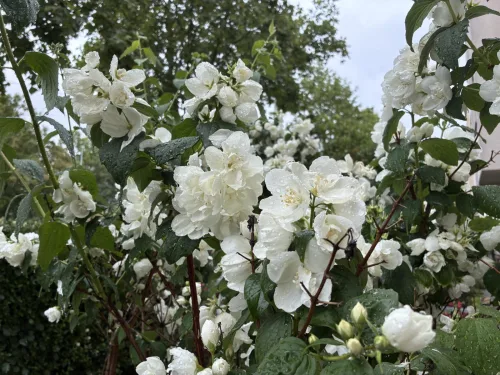
Philadelphus coronarius (mock orange) is a classic deciduous shrub prized for its clouds of white, powerfully scented flowers in late spring and early summer. Learn how to site, plant, water and prune it correctly for reliable, fragrant bloom year after year.
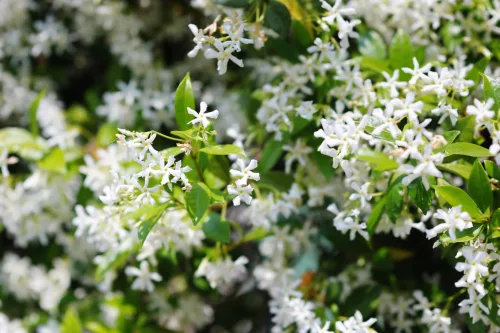
Not all “jasmine” is the same. Learn which Jasminum species suit outdoor walls and pergolas, winter colour, or indoor growing—and how to site and care for them so they flourish.
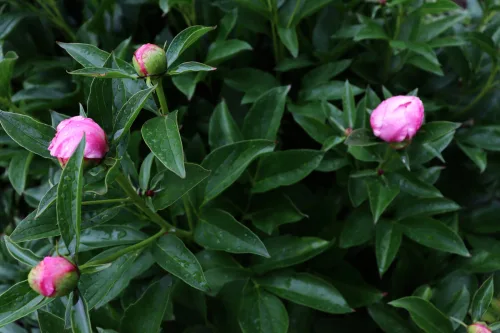
Healthy-looking peonies that keep making leaves but never bloom are usually reacting to planting depth, lack of sun, or overly nitrogen-rich feeding. Fixing the underlying cause often brings them back to reliable flowering over time.
Rhododendrons reward good care with spectacular spring blooms, but they are unforgiving of the wrong soil, poor drainage, and harsh exposure. Learn the common care mistakes that cause yellow leaves and weak flowering—and how to fix them.
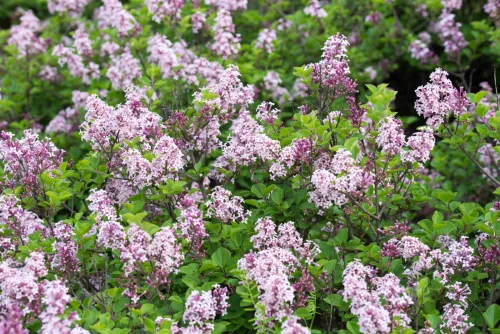
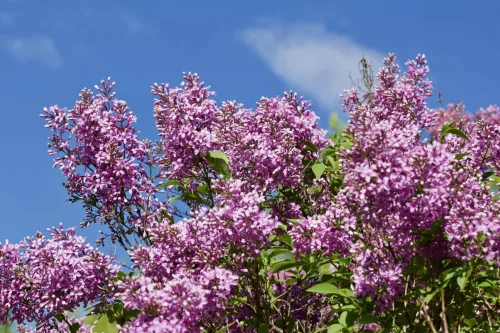
Lilacs are spring showstoppers with richly scented flower panicles and surprisingly low demands. Learn how to choose the right species and variety, where to plant it, and how a little pruning keeps it blooming well for years.
Lilacs set next year’s flower buds on last year’s growth, so what you do right after they finish blooming matters. Remove spent flower heads promptly and prune lightly and thoughtfully to keep the shrub vigorous and floriferous.