
 English
  Polski
  Deutsch
  Nederlands
  Svenska
  Norsk
Norsk  Dansk
Dansk  Français
  Italiano
  Español
  Português
  Slovenčina
  Suomi
Suomi  Gaeilge
 How to Encourage Lilacs to Bloom, Prune Right After Flowering

Lilac is one of late spring’s most fragrant showpieces. But once the flower panicles fade and start to brown, the moment arrives that will determine what the shrub looks like next season. Right after flowering is when it pays to pick up the pruners and make a few simple cuts. It’s not just about looks, but mainly about the plant’s energy. If you leave spent blooms in place, the lilac may start setting seed, unnecessarily weakening the new growth where next year’s buds will form.
When to prune lilacs so they bloom again next year
Lilacs bloom on old wood, meaning on shoots that grew last season. That leads to the basic rule: do the main pruning as soon as possible after flowering. For spring-flowering shrubs, this is the safest window, because pruning later in summer or in autumn can remove buds that have already formed. If you’ve ever pruned a lilac “when there was time” and the following spring had very few flowers, you likely cut off the wood that was meant to bloom.
After flowering, cut off the spent panicles and don’t delay bigger cuts, or you may lose next year’s bloom.
Removing spent flower heads: the step that makes the biggest difference
The simplest and most rewarding task is removing the faded panicles. The goal is to cut off only the flower head, not to shorten the surrounding twigs unnecessarily. Often, just below the spent panicle you’ll see young shoots or the start of branching that will be key for next year. That’s why it pays to cut thoughtfully and watch what you’re leaving behind. A correct cut is clean and made with sharp pruners so the tissues aren’t crushed and the wound heals well.
If you grow a variety that can rebloom lightly and tries for a second flush in late summer, removing spent flowers is even more important. It encourages the shrub to produce fresh growth, which may carry more blooms. In that case, a very light dose of a woody-plant fertiliser can help, but always sparingly so the shrub isn’t pushed into overly soft shoots that are more easily damaged.
Light shaping after flowering and the one-third rule
After removing the flower heads, you can also do a light maintenance prune, especially if the lilac is encroaching on a path, window, or gutters. In general, it’s recommended not to remove more than about one third of the branches in a single year. That way the shrub won’t react with shock, won’t fill in poorly with masses of vigorous whips, and it will still be renewed gradually. With younger, regularly maintained shrubs, it’s often enough to shorten overly long shoots and lightly thin the centre so light and air can get inside.
Tool cleanliness is surprisingly important at this stage. The blade should be sharp and ideally cleaned, because ragged cuts heal more slowly and increase the risk of infection. Likewise, when cutting lilacs for the vase, it’s better to snip the stems with pruners rather than pull them by hand, which can tear bark and damage the wood.
Basal shoots and suckers: when to remove them and when to keep them
Lilacs often produce suckers, new canes coming up from the ground around the shrub, sometimes several десятky centimetres to a metre from the main stem. These can gradually form “new lilacs” and widen the shrub. If they’re in the way, cut them as low to the ground as possible, even just below soil level. On the other hand, suckers that arise right at the base of the shrub can be useful, because lilacs do best with a mix of younger and older stems. A healthy shrub isn’t a single over-aged trunk, but a mosaic of wood of different ages.
Strong, well-placed suckers can also be lifted with a piece of root and transplanted. If you love lilacs, it’s a practical way to get a new shrub without much expense—just bear in mind the transplanted plant will need time to re-establish, and it may take a while to return to full flowering.
Renovation pruning an old lilac: why not to rush it
With old, neglected, or overgrown lilacs, simply removing the flower heads isn’t enough. That’s when renovation comes in: gradually cutting out the oldest stems right down at ground level. This makes room for young shoots that will form a new framework that flowers better. But because lilacs bloom on last year’s wood, it’s sensible to do this in stages over several years. If you cut the shrub back too hard all at once, it may shoot strongly, but flowering will be noticeably reduced for a time.
Renovation timing is often done outside the main season—here, typically during dormancy. It’s important that cuts are clean, and any larger wounds are treated with a suitable wound sealant. When renovating, choose the healthiest younger canes to keep, and remove the oldest, damaged, or poorly placed stems gradually.

Site, watering, and feeding after flowering
Beyond the pruners, next year’s bloom also depends on the shrub’s overall condition. Lilacs prefer a sunny spot, where they set plenty of flowers and the wood ripens well. They will grow in partial shade, but flowering is usually weaker. After flowering they typically don’t need heavy watering, but during a prolonged dry spell they’ll appreciate an occasional deep soak, especially while they’re making new growth. Watch out for waterlogging—lilacs don’t like roots that stay wet for long periods.
Feeding is possible, but it shouldn’t be overdone. Too much nitrogen often produces lush foliage at the expense of flowers. If you want to support the shrub, choose a fertiliser intended for shrubs and trees and stick to a modest dose, so the push goes into healthy growth and bud formation rather than overfeeding.
The most common mistakes after flowering
A typical mistake is putting pruning off until later, when there’s more time. With lilacs, that often means removing shoots that already carry next spring’s buds. The second mistake is cutting branches back too hard when removing the flower heads, so that along with the spent panicle you also remove the young shoots. And the third common problem is ignoring suckers, which can thicken the shrub unnecessarily or spread it into areas where you don’t want it.
Lilac after flowering as an opportunity for a better-looking shrub
Once a lilac finishes blooming, it’s not the end of its season—it’s the start of preparations for next year. Snip off the spent flower heads, shape sensibly, keep an eye on suckers, and with older shrubs plan gradual renovation. You’ll maintain a healthy, airy shrub that reliably sets large, fragrant panicles and, in spring, brings back that familiar lilac moment you wait for all year in the garden.
Source: Savvy Gardenin, iReceptar , Pestrazahrada.cz
Related articles
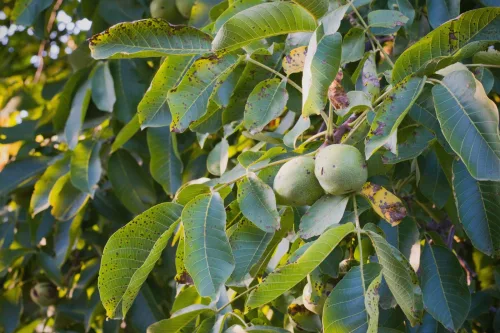
Why the Tree That Feeds a Family for Generations Is Disappearing from Czech Gardens
The English walnut used to be a staple of larger gardens and farmyards, valued for its nutritious nuts and many practical uses. With the right site and variety, it remains one of the most rewarding long-lived trees you can plant.

How to Get Rid of Mice and Rats in the House, Loft and Garden Effectively
Mice and rats don’t leave quietly—scratching sounds, droppings and gnaw marks are clear warnings. A lasting solution comes down to three steps: block entry points, remove food sources, then use traps or professional control.

Two Mistakes When Harvesting Onions Can Cut Your Supply by Months
With good growing and the right handling, onions can turn into a near year-round pantry staple. These simple harvest and curing steps determine whether they keep for weeks or for months.
Comments (0)
Be the first to comment.